Google Sheets is Free, But Not as Competent as a Personal CRM

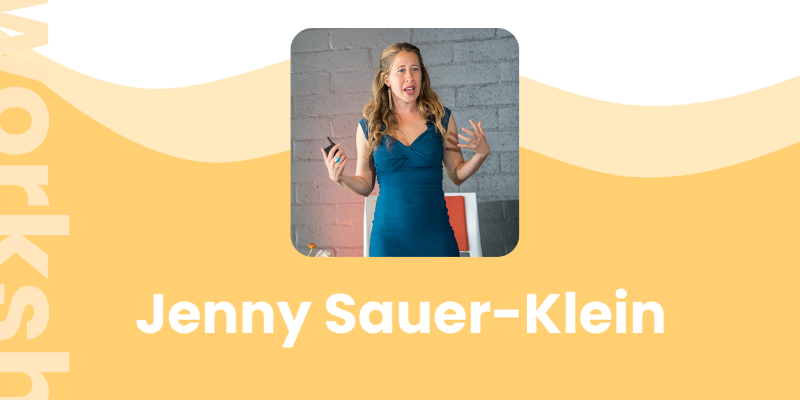
The idea of “blowing up someone’s phone” causing them to be distracted from what they are doing and turning one’s phone into an alarming, seemingly never ending vibrating tablet should strictly happen in case of emergency. We’ve likely all been there, on both sides of those incessant messages and calls, and it is not fun. This is where Jenny Sauer-Klein, founder and CEO of Scaling Intimacy School of Experience Design, shared the value of micro-interactions accumulating over time.
Jenny is an expert in creating dynamic learning experiences that foster connection and relationships. Through her extensive experience training coaches, consultants, educators, and internal organizational leaders, she has gained valuable insights into building meaningful connections in physical and virtual spaces.
Building up the value of micro interactions and communication can happen very instinctually in person at the workplace. What about in a virtual work environment? That all comes down to intent, and actively creating those moments of small interactions. Jenny emphasizes the power of micro-moments of connection, accumulated over time. These small moments, when consistently nurtured, have the potential to create profound and meaningful bonds.
During the workshop, she highlights that “in person connection happens by serendipity but, online, it doesn’t happen unless we do it on purpose.” She emphasizes the importance of incorporating a few minutes of intentional connection in virtual spaces to enhance the sense of connectedness and prepare participants to engage with the content.
Her approach to connection involves connecting early and often, embracing micro-moments, gradually increasing vulnerability, and choosing between a narrow and deep approach or a wide and shallow one depending on the context. By implementing these principles in our remote work practices, we can cultivate genuine relationships, combat loneliness, and create a sense of belonging in our hyperconnected world.
Dive into Jenny’s insights further by following her courses on designing dynamic experiences and learning to facilitate workshops and other events. You may also watch the full workshop here.
Interact and engage with industry experts such as Jenny Sauer-Klein in Covve’s new workshop on Healthy Habits of Connection on October 17th and meet like-minded people with whom you can put lessons into practice.
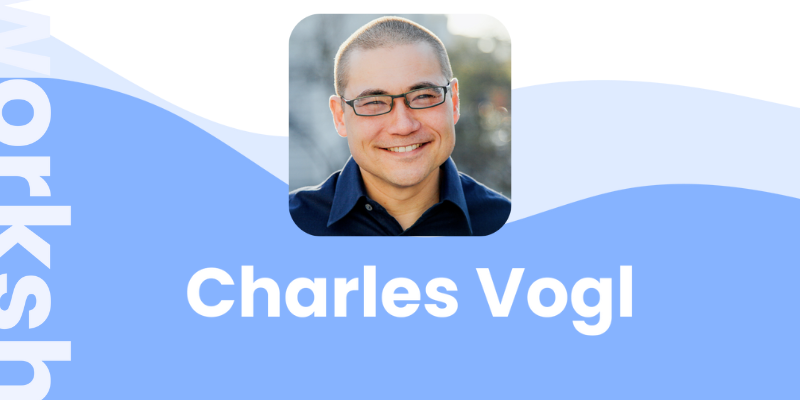
Charles Vogl, renowned for authoring The Art of Community and Building Brand Communities, and his work at Google, believes that opening up requires being in a space where there are few people to interact with, allowing you to engage with those around you better.
“They have this default assumption that if we want to get a group together we should get everybody into the same place, be that a virtual room or a table. That doesn’t work because it means we have to manage too many relationships at any given moment, that precludes the intimate experience, the vulnerable conversations, that actually develop relationships.”
He shares his concept of the campfire experience, which encapsulates intimate experiences with people where everyone is contributing to a conversation and everyone is heard. Being in a small group also encourages colleagues to discuss matters irrelevant to their work, and that are more personal to them. These elements are what enable meaningful relationships to form in an era marked by widespread loneliness.
Embracing the principles of campfire experiences and small group interactions allows for the development of emotional connections, trust, and empathy, which are crucial in remote work environments. Create a safe space for workers to share how they feel about things outside of the office, and keep those spaces small.
Charles made it clear when he stated “Stop pretending that collaborative conversations virtually in rooms bigger than five people, is helpful.” He expressed that keeping groups to five people ensures that everyone can effectively participate in conversation and interact with one another, creating that intimate campfire experience.
Dive into Charles’ insights further by watching the full workshop here.
Interact and engage with thought leaders and industry experts like Charles Vogl in Covve’s upcoming workshop, Healthy Habits of Connection, on October 17th, and take your relationship building practices to new heights.
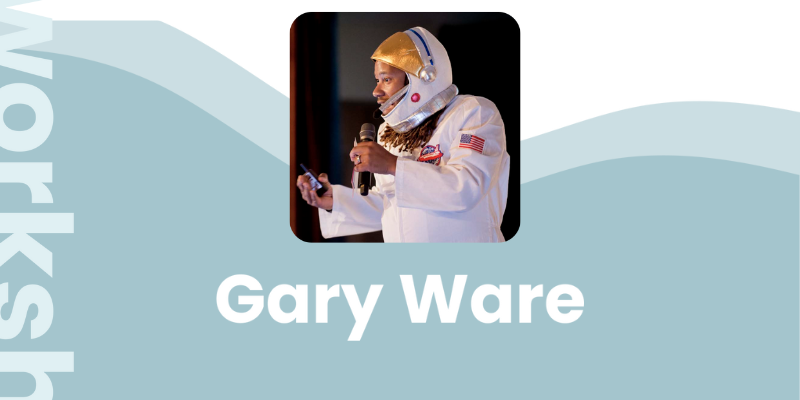
As the world becomes vastly more digitized, we rarely see our colleagues, and at times may never see them in person at all. So, how can we get to know them and trust them better? Gary Ware, founder of Breakthrough Play, took part in Covve’s workshop spear-headed by Hansen Hunt on cultivating authentic connections in a remote work environment, and shared some critical qualities often overlooked in the workplace.
Through his expertise in applied improvisation, Gary helps teams develop vital people skills, improve communication, and foster deep connectivity.
Take for example an instance where you are a recent hire at an organization. Getting along with your colleagues, understanding how they work, and identifying where you fit in are the first few steps in creating a sense of belonging. You would begin by identifying your commonalities and differences to gauge where you stand with the various members on your team.
At the core of Gary’s philosophy lies the belief that beneath our surface differences, we share fundamental similarities that can be uncovered through intentional effort. He stated that “if we dig hard enough, we are more alike than we are different.” Gary continues explaining how we can find these commonalities, placing emphasis on “the importance of rituals and being intentional about rituals. That is going to create that foundation for connection.”
In Covve’s podcast series Wired to Socialize, Professor Robin Dunbar, renowned evolutionary psychologist, discusses that we are more likely to forge deeper connections with people we share more commonalities with. Akin to Gary’s belief that, “if we dig hard enough, we are more alike than we are different.” Gary believes that making the effort to intentionally discover commonalities, we create a stronger bond with one another.
When we are in the office, we may be early to a meeting with other colleagues where discussing out-of-office matters comes naturally. This example of a ritual is a way to routinely engage with colleagues and fellow industry professionals to find commonalities and connect.
Establishing trust in our workplace relationships can also help out of the office. In the workshop, Gary shares a personal anecdote about a colleague who provided crucial support during a stressful period in his personal life.
By checking in with colleagues with a simple message to see how their day is going or sharing a relevant meme to lighten up their day can go a long way in nurturing that relationship. Taking initiative is critical to showing your intentions. These are small, spontaneous interactions that can closely mimic hallway and watercooler moments at the office.
Dive into Gary’s insights further by watching the full workshop here.
Interact and engage with thought leaders and experts like Gary Ware in Covve’s upcoming workshop, Healthy Habits of Connection on October 17th, and gain fresh and practical perspectives and practices to elevate your relationship building skills.
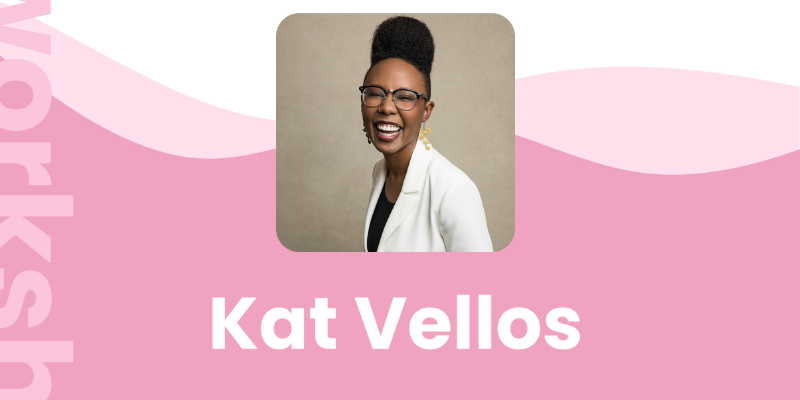
Every office has that crucial team member who carries positivity and embraces creativity, such as sharing music and crafting gifts for colleagues. Kat Vellos, the creator of weshouldgettogether.com, is exactly that person in Covve’s workshop on cultivating authenticity in a remote work environment. She believes in the value of sharing creative passions with colleagues and workplace connections. They represent a deeper personal connection.
Receiving a gift from a colleague that was crafted by them, personally, would feel much more intimate and meaningful. For some, a hand-crafted Christmas stocking may be more appreciated than a bottle of wine in the office’s Christmas gift exchange. Getting to know your colleagues helps in finding ways to connect beyond the usual office and off-site interactions, and will encourage feelings of safety, creativity, and intimacy.
Kat highlights that we can discover these elements about our colleagues by empowering our questions with intention. “The thing to remember with the way that we use questions with intention and with purpose is to acknowledge that they are a doorway to connection.” She has also developed a kit titled Better Conversations to help people better navigate asking and answering questions in the workspace that allow for deeper connections.
She recognizes the significance of identifying individuals with whom we have a high frequency of connection and conversation, as we would know more about them allowing us to forge meaningful relationships. Kat also suggests to forge connections with people who share an identity with you or share your work in your industry but do not work in the same company with you.
You may meet such a person in a conference or a workshop, which can lead to nurturing a strong colleagueship as there is space between you and them, allowing for a favorable frequency of interactions.
These relationships often hold more depth and strength, especially when there are shared roles, skills, or team memberships involved. By acknowledging these connections, we can prioritize and invest our energy in fostering and nurturing proximal relationships.
One powerful approach Kat suggests is to really dig deep in shared passions and interests. These commonalities provide a strong foundation for maintaining connections over long distances. For example, creating playlists or curating music together with friends who share a love for a particular genre or artist can serve as a shared passion and a medium for ongoing connection.
Our world of instant connectivity can sometimes remove authenticity when reaching out to someone. Getting a birthday card from someone in the mail would be much more surprising and personal than a message on the team’s communication channel or on social media. Kat supports using “snail mail” as a means of nurturing intimacy and fostering connections over time.
While conversations may be less frequent, gifting creative and thoughtful items to friends and colleagues through mail allows for a unique and tangible way to share creativity and maintain a sense of connection. By designing and sharing creative things with each other, individuals can express their creativity, surprise one another, and strengthen their bond through these tangible acts of kindness.
Dive into Kat’s insights further by watching the full workshop here.
Interact with thought leaders and industry experts like Kat Vellos at Covve’s upcoming workshop.
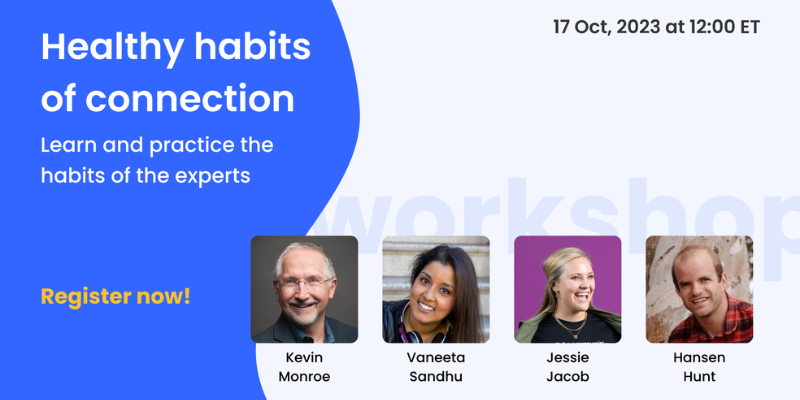
Our upcoming workshop, “Healthy Habits of Connection in the Workplace – Learn & Practice the Habits of the Experts,” promises an enlightening and transformative experience, taking place on Tuesday, 17th of October from 12:00 – 13:00 (ET), led and moderated by Hansen Hunt who shares our passion in helping people cultivate authentic relationships.
Join us and connect with people who share a passion for being bridges and connectors, helping others build relationships. Gain practical insights on the habits of experts in relationship building, and engage with like-minded people to practice the lessons being shared. We are thrilled to introduce you to the experts who will be guiding these discussions.
Kevin Monroe, a seasoned expert with over 45 years of experience, is globally recognized for his work in fostering gratitude and positive change. His mission to create cultures of gratitude and human connection has made him a sought-after consultant for leading organizations like AWS, Pfizer, and PepsiCo.
Kevin is also the creator of The Grateful App, an accessible tool grounded in neuroscience and positive psychology. Known for his infectious optimism, Kevin empowers individuals and teams to develop sustainable gratitude practices, enriching both personal and professional lives.
Dr. Vaneeta Sandhu, Head of Emotional Fitness and Operations at Coa, brings over a decade of experience to the table. With a background in clinical psychology and facilitation, she has worked with prominent companies such as Lyft, Yelp, Twitter, Reddit, and Dropbox, assisting managers and executives in developing essential leadership skills. Dr. Sandhu specializes in principles of behavior change, interpersonal dynamics, and adult learning, offering guidance on prioritizing mental health through emotional fitness.
Jessie Jacobs, the Senior Community Engagement Manager at Culture Amp, is a seasoned event and experience designer with a flair for fostering meaningful connections. She spearheads a thriving network of over 100 Culture First Global Chapters exceeding 10,000 members, transforming ordinary networking events into opportunities for reimagining and improving our professional lives.
With a diverse background spanning venture-backed startups, fintech communities, and innovation consulting, Jessie possesses the expertise to guide individuals and organizations toward building meaningful connections.
These remarkable expert will be sharing their unique insights, experiences, and practical advice during our workshop. Join us for this exclusive opportunity to learn from the best and revolutionize your approach to connection-building. Get ready to embark on a journey towards healthier, more meaningful connections in your workplace and beyond.
Register for free, and unlock new heights in relationship building.
Nearly every aspect of business is digitized. From how organizations store data, to meetings, and how professionals connect with each other. One aspect of business that has become increasingly digitized in the past decade is networking, building relationships.
Paper business cards turned to digital business cards which are more cost-effective and environmentally friendly alternatives. Personal contact relationship management (personal CRM) tools quickly replaced the old-fashioned rolodex, spreadsheet, and post-it note methods of organizing contacts. For those who place great emphasis on staying digital and refuse to take paper business cards, they use digital business card scanners to add contacts directly into their address book.
Business card readers are in fact a sought after feature, as a global research report on the business card scanning software market highlights that it was valued at $2 billion in 2022, and is forecast to grow to $7 billion by 2028. As business card scanner apps enable users to digitize contacts’ details and seamlessly store them in their phone’s address book, there is greater efficiency in how they organize their contacts and stay connected with them.
Among the leading business card reader apps mentioned in the report, along with Covve, was ABBYY, a conglomerate focusing on optimizing technological processes for individuals and businesses. Recently, the organization elected to discontinue their business card reader software for Android users on the Google Play store as of August 17th.
In their announcement, they shared that the ABBYY Business Card Reader for Android has met its End of Life as of September 18th, while it will still exist for iOS users, granted that there will no longer be support for the synchronization feature for scanned cards. This means that for Android users, they will no longer be able to continue using their ABBYY card scanner app.
Digital tools being discontinued is not a rare phenomenon. Whether their capabilities become redundant, excessive operational costs, or due to an inability to compete in the market, organizations can choose to end a product to focus on other technologies and projects. Take Microsoft’s Cortana, for example. The software struggled to compete with Alexa or Google Assistant, leading Microsoft CEO Satya Nadella to state that it had fallen behind its competition.
For users looking to use a business card scanner app, however, there are several alternatives to continue digitizing and expanding their networks. Capacitor Partners, a leading digital transformation and product management firm had conducted a study of the trailblazing card scanner apps in the market in 2022, in which ABBYY was found to excel in privacy and security.
The study compared the features and functionalities of five card scanner apps, including ABBYY, BizConnect, CamCard, and Covve. While Covve was found to be most efficient, effective, and user friendly, the other options are viable for those who are looking for software that suits their needs in networking.
As ABBYY has discontinued its card scanner app for Android users, and limits the use and versatility of the software for iOS users, it is pertinent to continue pursuing networking endeavors. Having to adjust to new software and new ways of managing a network, selecting an alternative card scanner app is important in order to maintain habits and practices.
Covve’s card scanner is free to try and can be purchased for access to more extensive use of the application. Some differences are that, while ABBYY’s card scanner could read 201 languages, Covve’s can read more than 30 languages, with greater accuracy, however. Covve also boasts a faster time to process and complete scans, and it can integrate with the wider network of Covve tools, such as the personal CRM and digital business card applications.
The world is moving at a rapid pace, impacting our relationships with others and causing them to feel superficial and taking a backseat to our busy lives. Covve recognizes the profound impact of authentic relationships and is excited to present our upcoming workshop “Healthy Habits of Connection in the Workplace – Learn & Practice the Habits of the Experts,” on Tuesday, 17th of October from 12:00-13:00 (ET). The workshop will be spear-headed by our community lead, Hansent Hunt, who is emphatically passionate about building meaningful connections.
It is the second addition to a series of workshops which offer practical insights and opportunities to build meaningful relationships in an interactive format. This isn’t just another online event; it’s a unique opportunity to reshape your approach.
On the backdrop of Dr. Vivek Murthy’s statement in the US Surgeon General Report 2023 where he stated, “loneliness and isolation represent profound threats to our health and well-being”, Covve, together with Hansen Hunt, aim to delve into what individuals and organizations can actively do to cultivate long-lasting relationships for both personal and professional networks.
Given today’s heightened competitiveness, constant busyness is celebrated, potentially compromising the depth of our connections. Identifying and implementing systems, tools, and mindsets to navigate busy schedules and time constraints. This live workshop offers a departure from the ordinary, inviting you to embark on a journey towards more profound connections. It’s more than just sharing knowledge; it’s about fostering genuine, enriching relationships.
You will have the opportunity to connect with industry experts like-minded individuals who share your passion for bringing people together, whether in your personal life or your professional endeavors. The live seminar and breakout rooms are designed to be interactive and hands-on, focusing on active participation and gaining practical experience that you can put into practice right away.
Our panel comprises industry experts and thought leaders: Kevin Monroe, Dr. Vaneeta Sandhu, and Jessie Jacob, each bringing extensive experience in fostering gratitude, emotional fitness, and community engagement.
Kevin Monroe, a seasoned expert with over 45 years of experience, is globally recognized for his work in creating cultures of gratitude and human connection. His sustainable gratitude practices can enrich both personal and professional lives.
Dr. Vaneeta Sandhu, Head of Emotional Fitness and Operations at Coa, brings over a decade of experience to the table, specializing in principles of behavior change and prioritizing mental health through emotional fitness.
Jessie Jacob, the Senior Community Engagement Manager at Culture Amp, transforms ordinary networking events into opportunities for reimagining and improving our professional lives.
Covve is dedicated not only to providing tools for healthier networking habits but also to sharing the wisdom and best practices of experts to enrich your journey in building meaningful relationships. Join us and unlock the power of healthy workplace connections together.Discover new relationship building insights and join us on the 17th of October.
The Jeff Bullas Show, hosted by digital marketing expert Jeff Bullas, serves as a platform for exploring the experiences and insights of thought leaders, industry experts, innovators, and entrepreneurs. In a recent episode, Jeff interviews Yiannis Gavrielides, co-founder of Covve.
Their conversation reveals the profound significance of personal and professional relationships and how they form the bedrock of success. The two explore Yiannis’ career path, navigating Covve from its inception to its evolution today, and the recurring theme and pertinence of relationships in success.
Yiannis Gavrielides embodies a passion for connecting with people, taking up the duty of the pitmaster and enjoying good food, and is an avid theater enthusiast. Hailing from Cyprus, a close-knit community, he understood from an early age the value of forging connections and nurturing relationships.
It was customary among his peers to pursue higher education abroad, leading him to London, where he embarked on a journey of studying chemical engineering. He places emphasis on his direction in being practical and analytical, in which his degree also served the purpose of opening doors to career opportunities.
His career began in management consulting at a large firm in London, where he realized the importance of building relationships to better understand the people he worked with, and how to offer more precise value to his clients. He later pivoted to strategy consulting, in which his duties were more removed from interacting with people. That is when he realized that what truly fuels his professional passion is the human element: the art of engaging with people, building trust, and fostering genuine connections.
Yiannis’ professional journey took an unexpected turn when he relocated to Athens in 2009 in the aftermath of the 2008 global financial crisis. His once rapidly ascending career trajectory began to plateau. It was during this period of reflection and uncertainty that he reconnected with a childhood friend, setting in motion a series of entrepreneurial ventures spanning theater, F&B, and technology.
Through these diverse experiences, one common thread began to emerge – the profound impact of relationships.
Yiannis realized that the trust among peers, colleagues, and friends he had meticulously cultivated throughout his career had been the cornerstone of his achievements. Relationships, both personal and professional, are the lifeblood of entrepreneurship. However, what struck him was the conspicuous absence of relationship-building as a core skill in the corporate world. Networking, often viewed with skepticism, lacked the emphasis it deserved.
Driven by this insight, Yiannis embarked on a mission, along with Covve co-founder Alexandros Protogerellis, to create a platform that would facilitate the development of healthy relationship-building habits. Thus, Covve was conceived.
Covve is not merely another run-of-the-mill networking platform; it helps people focus on each individual relationship, giving meaning to each interaction and connection. At its essence, it leverages cutting-edge technology to assist users in managing their relationships, both personal and professional, allowing for extensive personalization.
Its arsenal includes a business card scanner, a digital business card, and what is essentially a personal assistant for your networking efforts. Covve empowers users to make personalized notes about their contacts, categorize them based on interests and hobbies, and curate a network of individuals that truly resonate with their goals and passions.
Adding to Covve’s features is the seamless integration of artificial intelligence (AI) to create Covve’s Assistant. Users can simplify emails with our AI-powered assistant instructing it in natural language to take notes on a recent conversation, save a new contact, add a reminder to reach out and so much more. This creates an intuitive, seamless interface, allowing users to save time and better manage their network with minimum effort.
With Covve’s AI assistant, users can personalize emails based on previous interactions and instructions with natural language to keep the conversation going, removing uncertainty and hesitation in communication.
For example, users can email their AI assistant using natural language to save a new contact and all of their relevant details into the app, summarize emails, and add them to the notes field in Covve. This allows for more efficient record-keeping on interactions and increases users’ time to continue cultivating relationships.
Yiannis’ journey and the creation of Covve underscore the immense value of relationships in both personal and professional spheres. In entrepreneurship, success often hinges on the strength of our relationships. Building trust, nurturing connections, and sustaining robust networks are prerequisites for achieving one’s aspirations.
When asked for his advice for young entrepreneurs, Yiannis stated that they should be “proactive in building relationships. As Professor Robin Dunbar notes we can sustain 150 actively engaged relationships, they should not be random, but they should be purposefully nurtured.”
Covve’s evolution from a nascent idea to a versatile platform catering to personal and professional relationships reflects the universal need for effective relationship management. Users span diverse backgrounds, yet they share a common objective – recognizing the value of relationships and seeking an efficient system for cultivating them.
Your network should serve as a wellspring of strength and support. Covve transcends being a mere app; it is a steadfast companion on the journey of personal and professional growth through the power of relationships.
Managing relationships in today’s fast-paced and multifaceted world can prove to be challenging, without the right tools. Just as organizations use customer relationship management (CRM) tools to cultivate their relationships with clients and partners, individuals are using personal contact relationship management (pCRM) tools to cultivate their networks.
Remembering dates that are important to people in professional and personal circles, following up, and organizing contact lists can be overwhelming. The core function of pCRM tools is to help users navigate relationships by organizing interactions through scheduling and automating reminders, and much more. Specialized tools such as Covve are preferred by people who prioritize their network and relationships, both personal and professional, as they also help in nurturing significant networking habits.
Solid networking habits can lead to landing new jobs, gaining referrals, and gaining key industry insights, all of which could be missed opportunities without the right system. According to Zippia research, 70% of professionals attained their current roles thanks to their networking efforts.
To add clarity on the value of relationship building and networks, business development expert Mo Bunnell believes that “a great deal might make your year, but a great relationship can make your entire career,” emphasizing that opportunities are boundless through a well-cultivated network.
Considering the value of a well-cultivated network, it is critical to employ the right tools. There are several ways to approach a personal CRM system. Some elect to build their own personal CRM through spreadsheets or tools, leveraging simple yet limited platforms such as Outlook or Excel. An alternative is using a specially designed platform that is constantly evolving and can elevate relationship management within both personal and private networks.
Options for free CRM software for personal use vary. From Microsoft’s Excel and Google Sheets, and Outlook, to tools like Airtable and open-source CRMs, and utilizing existing features embedded in a smartphone, there is a plethora of choices to select from.
For the simplest and most straightforward contact management needs, professionals use Excel or Google Sheets as a free CRM for personal use. Professionals who struggle to find a fitting pCRM look to build their own, typically using spreadsheets.
As a data visualization and analysis tool, spreadsheets are great at storing and organizing data sets, but they do not give users the extra nudge they sometimes need to stay in touch with contacts, and overall lacks various automated features found in bespoke personal CRM tools.
It is arguably a great tool for storing contacts, their interests, and a few key elements about each individual contact, depending on a user’s ability to stay organized. One of the youngest Managing Directors at Blackrock, Khe Hy, shares his process for setting up his own pCRM on Excel to help users get a better grasp on managing their contacts.
More sophisticated options such as Airtable may be a good fit for professionals looking to keep a more in-depth view of their network. Akin to Excel, Airtable makes use of grids and tables with cells. It enables users to more clearly organize their relations to contacts, such as where they met, what their role is, how they connected, what their interests are, and more. Users can integrate Excel tables and systems such as those of Zapier to automate information updates.
The challenge with tools like Airtable are that they can be very tedious in finding and filling in the information a user wants to include, as well as in tinkering with the various fields included in tables. These processes, with bespoke CRMs for personal use, are automated, easier, and faster, allowing users to focus on the real sauce – relationships. Rick Klau, Chief Technology Officer at California Department of Technology offers a detailed step-by-step guide on how to set up a personal CRM using Airtable.
Taking contact management tools and organization a step further, Microsoft Outlook serves as a strong free personal CRM alternative. It offers features such as reminders on tasks, labeling contacts for better contact management, and emails and calendars are merged for easier meetings management.
However, it requires people to be habitual about setting reminders, taking notes on every interaction, and being proactive about setting meetings and calls. For a detailed walkthrough on utilizing Outlook as a CRM, Randy Dean, author of bestselling book titled Taming the Email Beast, guides viewers on best practices, tips and tricks.
For those more technologically inclined, there are also open-source CRMs for personal use. These however, require at least a basic understanding of coding and programming. The reward is essentially an extensively customizable personal CRM tailored to an individual’s needs and preferences.
Open-source CRMs can help in storing and maintaining a record of contacts, notes on interactions, however they entail ample manual input, as opposed to specially designed personal CRMs for personal use which seamlessly integrate and sync with address books and calendars.
The various ways to build a free personal CRM through tools such as Excel, Airtable, open-source CRMs, and Outlook, are all alternatives that require extensive effort, which can often be tedious. These free alternatives to personal CRMs offer features that help store and organize contacts. However, they do not have key features that alleviate people from elements of relationship building that are important, yet small, such as remembering particular dates to reach out to contacts and news that are relevant to their interests.
Personal CRMs come with various, versatile tools at users’ finger tips. These bespoke tools are focused solely on helping users build relationships, making them uniquely advantageous for the purposes of networking. They can integrate seamlessly with address books to import contacts, they offer contact organization features such as tags, note-taking features, and more importantly, gentle nudges to follow-up and connect.
As a personal CRM, Covve does not focus on sales funnels, but instead, it excels at helping users build relationships. The artificial intelligence (AI) assistant can help identify topics of interest for individual contacts, helping make the follow-up or the long awaited invitation to reconnect less awkward and more engaging. Covve’s note-taking feature has in fact helped various professionals across sectors manage their relationship building efforts in a more streamlined and effective way.
Renowned career strategist and business coach to alumni from Ivy League schools and executives at Fortune 100 companies, Doug Lester discusses how Covve was the right fit for him. He found that spreadsheets are too messy, and traditional CRMs are not focused enough on actually building relationships.
He explicitly expresses appreciation for Covve’s note-taking feature, which helps him record critical information about his contacts individually, making every interaction with them meaningful. “So, where do I keep my notes? Definitely not in post-its scattered around my office or in some paper or digital notebook, never to be seen again. I use an app called Covve… I’ve been using Covve for a few years now, and it’s been the place that I capture the bits of personal information that help me make networking a friendlier, more human activity.”
Whether you are just starting your career, or an accomplished professional, your network will always be an integral part of life. Your relationships deserve, and require, the time and effort to cultivate them in a way that helps both you and your contacts. To achieve that, you need the right tool that fits you.
If you are keen on building your own personal CRM for free we hope that this article answers your questions on how exactly you can do that. If you are seeking for more bespoke, sophisticated options, Covve is here to help you demystify networking and create value for, and from your network.
Start your free trial with Covve today. Alternatively, we would be thrilled if you shared your tips and tricks in building your own personal CRM through free personal CRM tools.