Articles in category: “Invisible”

Explorers are characterized by their pursuit of entirely new connections, constantly expanding their network into uncharted territories. Their focus on broadening their network aligns with the modern professional landscape’s demand for innovation and cross-industry collaboration.
As a True Explorer, your networking approach is defined by an unwavering dedication to solely focusing on third-degree contacts. With an adventurous spirit and a relentless pursuit of the undiscovered, you prioritize building connections that extend far beyond your immediate and extended circles. By immersing yourself in the realm of the less familiar, you uncover untapped opportunities, diverse perspectives, and novel collaborations that lie beyond the confines of your closer network. This focus on third-degree connections reflects your commitment to exploration, innovation, and expanding the boundaries of possibility.
Here’s how you engage with other professionals
Focus in Team Dynamics: You are characterized by their enthusiasm for continuously adding new members to your team, embracing change and diverse challenges.
Focus in Building Connections: You constantly form new connections, venturing into uncharted professional territories and expanding your network.
Impact on Success: Your diverse and continually evolving team and network are strengths in dynamic fields, where new connections can lead to unique opportunities.
How can you get better?
Explorers need to balance their expansive network with some deeper relationships. Cultivating stronger connections within their broad network can provide a reliable support system and enhance the quality of their professional interactions. To avoid a network that lacks depth, Explorers can benefit from occasionally focusing on deepening some of their new connections. This strategy ensures a network that is not only wide but also supportive and resilient.
Here are a few resources that can help you!
Who are your fellow networkers? Discover the Connection Compass universe
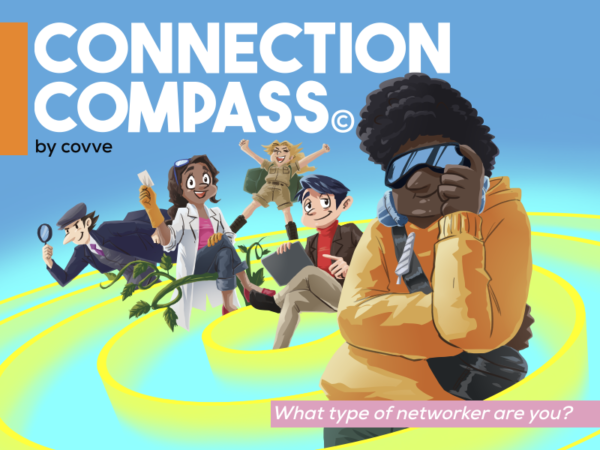
The Covve Connection Compass framework helps you recognize your networking tendencies, from focusing on deep, long-standing connections to seeking new contacts in uncharted territories. By identifying your primary networking style, you can strategize your networking efforts, balance deepening existing relationships with exploring new ones, and adapt your approach to suit different professional contexts and goals.
Find out who your fellow networkers are so that you can equip yourself for more strategic interactions based on others’ networking behaviors.
Anchors
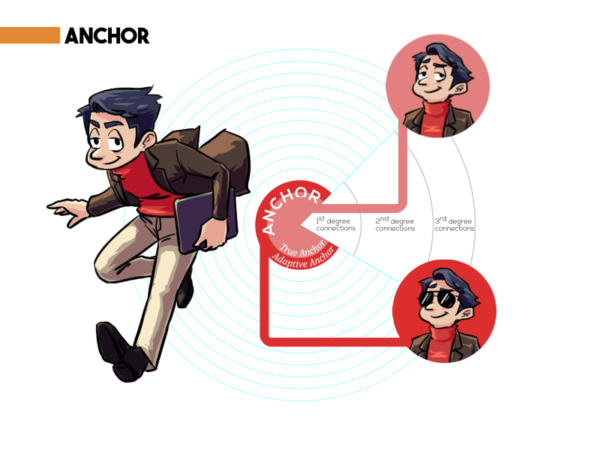
Anchors are professionals who prioritize building and maintaining deep, meaningful connections. They believe in the power of a close-knit professional network, fostering personally fulfilling and professionally advantageous relationships.
Catalysts
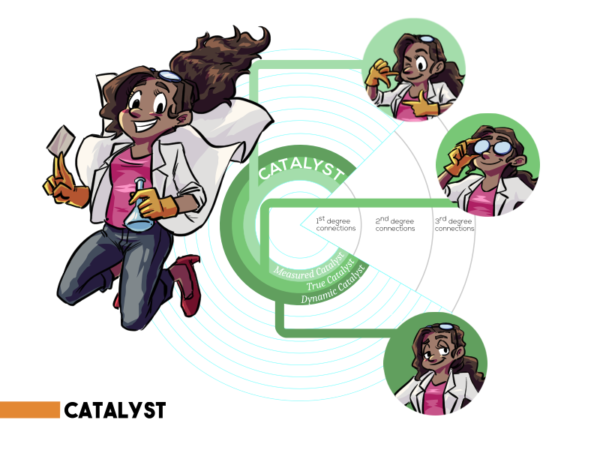
Catalysts adeptly balance nurturing existing relationships with exploring new connections. They are skilled in using their current network as a springboard to reach out to new contacts, thereby maintaining a dynamic and versatile professional network.
Connectors
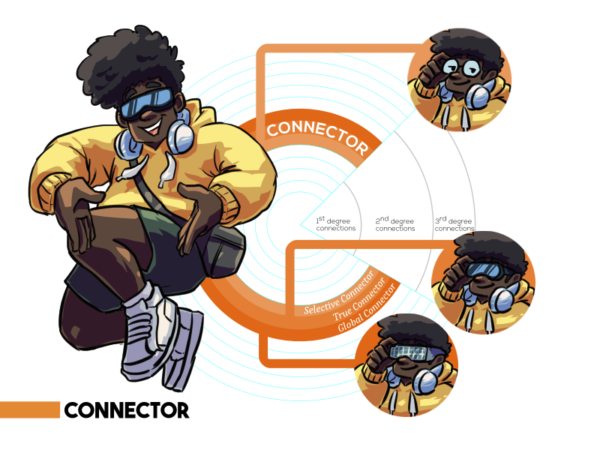
Connectors excel at networking through second-degree connections, effectively bridging different groups and communities. They are adept at expanding their network through known contacts, thus accessing a wide array of opportunities and insights.
Pathfinders
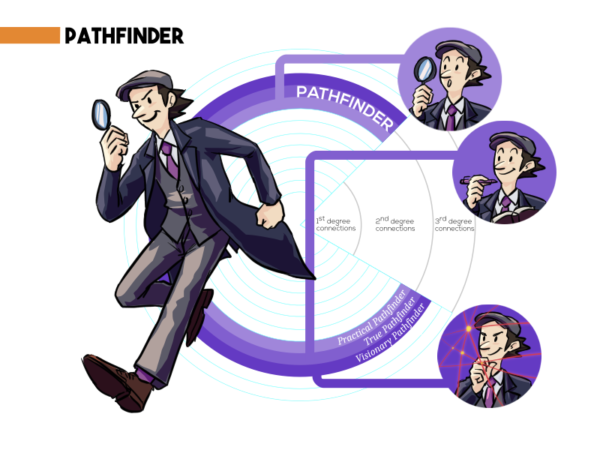
Pathfinders are known for actively seeking new contacts while maintaining ties with their existing network. They balance the pursuit of fresh opportunities with a certain level of familiarity, making them adaptable in dynamic professional landscapes.
Explorers
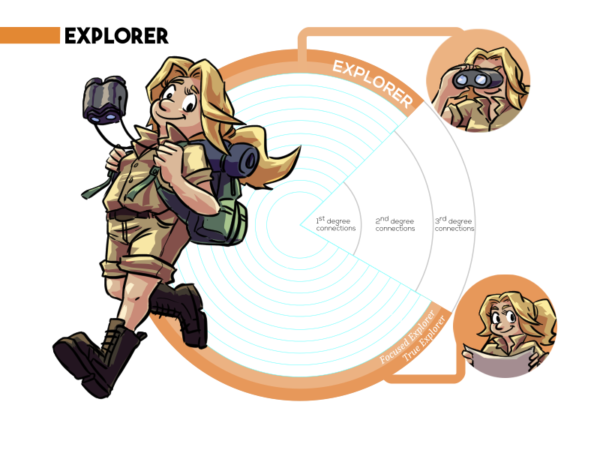
Explorers are characterized by their pursuit of entirely new connections, constantly expanding their network into uncharted territories. Their focus on broadening their network aligns with the modern professional landscape’s demand for innovation and cross-industry collaboration.
Continue reading…

Explorers are characterized by their pursuit of entirely new connections, constantly expanding their network into uncharted territories. Their focus on broadening their network aligns with the modern professional landscape’s demand for innovation and cross-industry collaboration.
As a Focused Explorer, your networking strategy is characterized by a deliberate emphasis on third-degree contacts, venturing into the realm of the less familiar and more distant connections. While you remain aware of the significance of second-degree contacts, your primary interest lies in exploring the potential of relationships that extend beyond your immediate and extended circles.
Here’s how you engage with other professionals
Focus in Team Dynamics: You are characterized by their enthusiasm for continuously adding new members to your team, embracing change and diverse challenges.
Focus in Building Connections: You constantly form new connections, venturing into uncharted professional territories and expanding your network.
Impact on Success: Your diverse and continually evolving team and network are strengths in dynamic fields, where new connections can lead to unique opportunities.
How can you get better?
Explorers need to balance their expansive network with some deeper relationships. Cultivating stronger connections within their broad network can provide a reliable support system and enhance the quality of their professional interactions. To avoid a network that lacks depth, Explorers can benefit from occasionally focusing on deepening some of their new connections. This strategy ensures a network that is not only wide but also supportive and resilient.
Here are a few resources that can help you!
Who are your fellow networkers? Discover the Connection Compass universe
The Covve Connection Compass framework helps you recognize your networking tendencies, from focusing on deep, long-standing connections to seeking new contacts in uncharted territories. By identifying your primary networking style, you can strategize your networking efforts, balance deepening existing relationships with exploring new ones, and adapt your approach to suit different professional contexts and goals.
Find out who your fellow networkers are so that you can equip yourself for more strategic interactions based on others’ networking behaviors.
Anchors
Anchors are professionals who prioritize building and maintaining deep, meaningful connections. They believe in the power of a close-knit professional network, fostering personally fulfilling and professionally advantageous relationships.
Catalysts
Catalysts adeptly balance nurturing existing relationships with exploring new connections. They are skilled in using their current network as a springboard to reach out to new contacts, thereby maintaining a dynamic and versatile professional network.
Connectors
Connectors excel at networking through second-degree connections, effectively bridging different groups and communities. They are adept at expanding their network through known contacts, thus accessing a wide array of opportunities and insights.
Pathfinders
Pathfinders are known for actively seeking new contacts while maintaining ties with their existing network. They balance the pursuit of fresh opportunities with a certain level of familiarity, making them adaptable in dynamic professional landscapes.
Explorers
Explorers are characterized by their pursuit of entirely new connections, constantly expanding their network into uncharted territories. Their focus on broadening their network aligns with the modern professional landscape’s demand for innovation and cross-industry collaboration.
Continue reading…

Pathfinders are known for actively seeking new contacts while maintaining ties with their existing network. They balance the pursuit of fresh opportunities with a certain level of familiarity, making them adaptable in dynamic professional landscapes.
As a Visionary Pathfinder, you keep a keen eye on both second and third-degree contacts, with a distinct priority for the latter. While you recognize the value in nurturing connections with friends-of-friends and colleagues-of-colleagues, your approach leans more towards the undiscovered potential within third-degree contacts. This strategy reflects a forward-looking mindset, as you actively seek out and prioritize those less familiar, more distant connections that promise fresh perspectives, innovative opportunities, and unique collaborations.
Here’s how you engage with other professionals
Focus in Team Dynamics: As a pathfinder you can balance familiar team dynamics with the introduction of new talents, adaptable to evolving workplace challenges.
Focus in Building Connections: You actively seek new contacts while maintaining ties with your existing network, blending fresh opportunities with a level of familiarity.
Impact on Success: Your broad network and diverse team composition provide them with innovative solutions and perspectives, often making you a trendsetter in your fields.
How can you get better?
Pathfinders should be cautious of overextending their network. Deepening some of these relationships can provide substantial support and resources when needed, ensuring a balance between breadth and depth in their connections. Building stronger bonds within their broader network can create a more resilient and supportive network. This balance ensures they can leverage a wide range of contacts while having a reliable support system.
Here are a few resources that can help you!
Who are your fellow networkers? Discover the Connection Compass universe
The Covve Connection Compass framework helps you recognize your networking tendencies, from focusing on deep, long-standing connections to seeking new contacts in uncharted territories. By identifying your primary networking style, you can strategize your networking efforts, balance deepening existing relationships with exploring new ones, and adapt your approach to suit different professional contexts and goals.
Find out who your fellow networkers are so that you can equip yourself for more strategic interactions based on others’ networking behaviors.
Anchors
Anchors are professionals who prioritize building and maintaining deep, meaningful connections. They believe in the power of a close-knit professional network, fostering personally fulfilling and professionally advantageous relationships.
Catalysts
Catalysts adeptly balance nurturing existing relationships with exploring new connections. They are skilled in using their current network as a springboard to reach out to new contacts, thereby maintaining a dynamic and versatile professional network.
Connectors
Connectors excel at networking through second-degree connections, effectively bridging different groups and communities. They are adept at expanding their network through known contacts, thus accessing a wide array of opportunities and insights.
Pathfinders
Pathfinders are known for actively seeking new contacts while maintaining ties with their existing network. They balance the pursuit of fresh opportunities with a certain level of familiarity, making them adaptable in dynamic professional landscapes.
Explorers
Explorers are characterized by their pursuit of entirely new connections, constantly expanding their network into uncharted territories. Their focus on broadening their network aligns with the modern professional landscape’s demand for innovation and cross-industry collaboration.
Continue reading…

Pathfinders are known for actively seeking new contacts while maintaining ties with their existing network. They balance the pursuit of fresh opportunities with a certain level of familiarity, making them adaptable in dynamic professional landscapes.
As a True Path Finder, you strategically engage with both second and third-degree contacts, striking a perfect balance between the familiar and the undiscovered. This approach ensures you tap into the immediate value of friends-of-friends and colleagues-of-colleagues, while also exploring the broader potential of connections beyond your direct network.
Here’s how you engage with other professionals
Focus in Team Dynamics: As a pathfinder you can balance familiar team dynamics with the introduction of new talents, adaptable to evolving workplace challenges.
Focus in Building Connections: You actively seek new contacts while maintaining ties with your existing network, blending fresh opportunities with a level of familiarity.
Impact on Success: Your broad network and diverse team composition provide them with innovative solutions and perspectives, often making you a trendsetter in your fields.
How can you get better?
Pathfinders should be cautious of overextending their network. Deepening some of these relationships can provide substantial support and resources when needed, ensuring a balance between breadth and depth in their connections. Building stronger bonds within their broader network can create a more resilient and supportive network. This balance ensures they can leverage a wide range of contacts while having a reliable support system.
Here are a few resources that can help you!
Who are your fellow networkers? Discover the Connection Compass universe
The Covve Connection Compass framework helps you recognize your networking tendencies, from focusing on deep, long-standing connections to seeking new contacts in uncharted territories. By identifying your primary networking style, you can strategize your networking efforts, balance deepening existing relationships with exploring new ones, and adapt your approach to suit different professional contexts and goals.
Find out who your fellow networkers are so that you can equip yourself for more strategic interactions based on others’ networking behaviors.
Anchors
Anchors are professionals who prioritize building and maintaining deep, meaningful connections. They believe in the power of a close-knit professional network, fostering personally fulfilling and professionally advantageous relationships.
Catalysts
Catalysts adeptly balance nurturing existing relationships with exploring new connections. They are skilled in using their current network as a springboard to reach out to new contacts, thereby maintaining a dynamic and versatile professional network.
Connectors
Connectors excel at networking through second-degree connections, effectively bridging different groups and communities. They are adept at expanding their network through known contacts, thus accessing a wide array of opportunities and insights.
Pathfinders
Pathfinders are known for actively seeking new contacts while maintaining ties with their existing network. They balance the pursuit of fresh opportunities with a certain level of familiarity, making them adaptable in dynamic professional landscapes.
Explorers
Explorers are characterized by their pursuit of entirely new connections, constantly expanding their network into uncharted territories. Their focus on broadening their network aligns with the modern professional landscape’s demand for innovation and cross-industry collaboration.
Continue reading…

Pathfinders are known for actively seeking new contacts while maintaining ties with their existing network. They balance the pursuit of fresh opportunities with a certain level of familiarity, making them adaptable in dynamic professional landscapes.
As a Practical Pathfinder, your strategy leans towards cultivating relationships with second-degree contacts—friends-of-friends or colleagues-of-colleagues—within your extended network, placing a stronger emphasis on these connections that are closer to your immediate circle. While you give priority to these more accessible contacts, you also recognize the value of reaching out to third-degree contacts. This approach allows you to explore new opportunities beyond your direct visibility, without losing sight of the importance of those closer, more connected individuals who can provide more immediate and relevant openings.
Here’s how you engage with other professionals
Focus in Team Dynamics: As a pathfinder you can balance familiar team dynamics with the introduction of new talents, adaptable to evolving workplace challenges.
Focus in Building Connections: You actively seek new contacts while maintaining ties with your existing network, blending fresh opportunities with a level of familiarity.
Impact on Success: Your broad network and diverse team composition provide them with innovative solutions and perspectives, often making you a trendsetter in your fields.
How can you get better?
Pathfinders should be cautious of overextending their network. Deepening some of these relationships can provide substantial support and resources when needed, ensuring a balance between breadth and depth in their connections. Building stronger bonds within their broader network can create a more resilient and supportive network. This balance ensures that they can leverage a wide range of contacts while having a reliable support system.
Here are a few resources that can help you!
Who are your fellow networkers? Discover the Connection Compass universe
The Covve Connection Compass framework helps you recognize your networking tendencies, from focusing on deep, long-standing connections to seeking new contacts in uncharted territories. By identifying your primary networking style, you can strategize your networking efforts, balance deepening existing relationships with exploring new ones, and adapt your approach to suit different professional contexts and goals.
Find out who your fellow networkers are so that you can equip yourself for more strategic interactions based on others’ networking behaviors.
Anchors
Anchors are professionals who prioritize building and maintaining deep, meaningful connections. They believe in the power of a close-knit professional network, fostering personally fulfilling and professionally advantageous relationships.
Catalysts
Catalysts adeptly balance nurturing existing relationships with exploring new connections. They are skilled in using their current network as a springboard to reach out to new contacts, thereby maintaining a dynamic and versatile professional network.
Connectors
Connectors excel at networking through second-degree connections, effectively bridging different groups and communities. They are adept at expanding their network through known contacts, thus accessing a wide array of opportunities and insights.
Pathfinders
Pathfinders are known for actively seeking new contacts while maintaining ties with their existing network. They balance the pursuit of fresh opportunities with a certain level of familiarity, making them adaptable in dynamic professional landscapes.
Explorers
Explorers are characterized by their pursuit of entirely new connections, constantly expanding their network into uncharted territories. Their focus on broadening their network aligns with the modern professional landscape’s demand for innovation and cross-industry collaboration.
Continue reading…
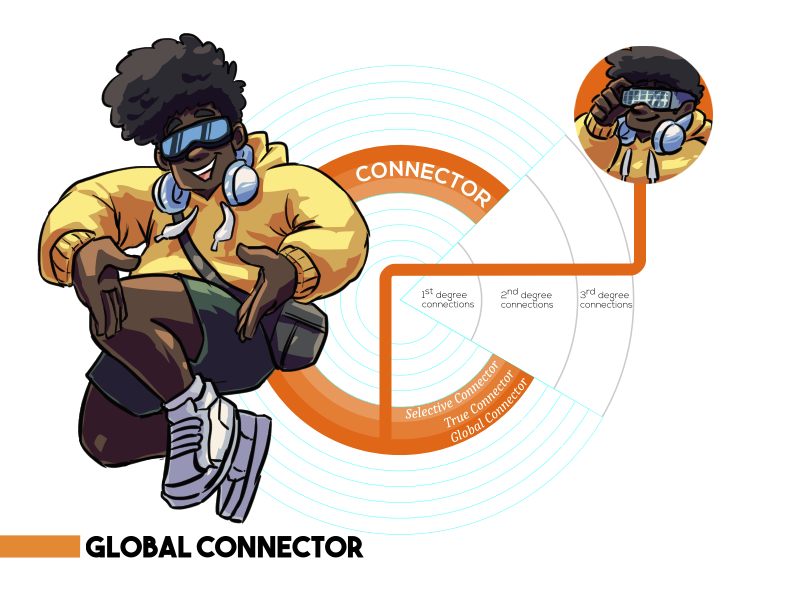
Connectors excel at networking through second-degree connections, effectively bridging different groups and communities. They are adept at expanding their network through known contacts, thus accessing a wide array of opportunities and insights.
As a Global Connector, you focus on meeting new faces – second degree contacts – that are part of your extended network, friends-of-friends or colleagues-of-colleagues. You are also inclined to go beyond and meet people outside of your ‘visible’ network – Third degree contacts, people who are not connected to anyone you know, but who can open entirely new doors for you.
Here’s how you engage with other professionals
Focus in Team Dynamics: Connectors excel in bringing together diverse team members, creating a network of varied skills and backgrounds within their team.
Focus in Building Connections: They expand their professional network through known contacts, effectively bridging different groups and communities.
Impact on Success: Their ability to link various networks results in a team rich in perspectives and a wide-reaching, interconnected network, leading to innovative solutions.
How can you get better?
Connectors should ensure their network maintains quality and depth. While exploring new connections, meaningful and reciprocal relationships are essential. This focus on quality ensures their network remains a reliable source of diverse opportunities and support. To avoid superficial connections, Connectors could periodically revisit and strengthen key relationships. Fostering deeper connections within their expanded network can lead to more meaningful and beneficial professional interactions.
Here are a few resources that can help you!
Who are your fellow networkers? Discover the Connection Compass universe
The Covve Connection Compass framework helps you recognize your networking tendencies, from focusing on deep, long-standing connections to seeking new contacts in uncharted territories. By identifying your primary networking style, you can strategize your networking efforts, balance deepening existing relationships with exploring new ones, and adapt your approach to suit different professional contexts and goals.
Find out who your fellow networkers are so that you can equip yourself for more strategic interactions based on others’ networking behaviors.
Anchors
Anchors are professionals who prioritize building and maintaining deep, meaningful connections. They believe in the power of a close-knit professional network, fostering personally fulfilling and professionally advantageous relationships.
Catalysts
Catalysts adeptly balance nurturing existing relationships with exploring new connections. They are skilled in using their current network as a springboard to reach out to new contacts, thereby maintaining a dynamic and versatile professional network.
Connectors
Connectors excel at networking through second-degree connections, effectively bridging different groups and communities. They are adept at expanding their network through known contacts, thus accessing a wide array of opportunities and insights.
Pathfinders
Pathfinders are known for actively seeking new contacts while maintaining ties with their existing network. They balance the pursuit of fresh opportunities with a certain level of familiarity, making them adaptable in dynamic professional landscapes.
Explorers
Explorers are characterized by their pursuit of entirely new connections, constantly expanding their network into uncharted territories. Their focus on broadening their network aligns with the modern professional landscape’s demand for innovation and cross-industry collaboration.
Continue reading…
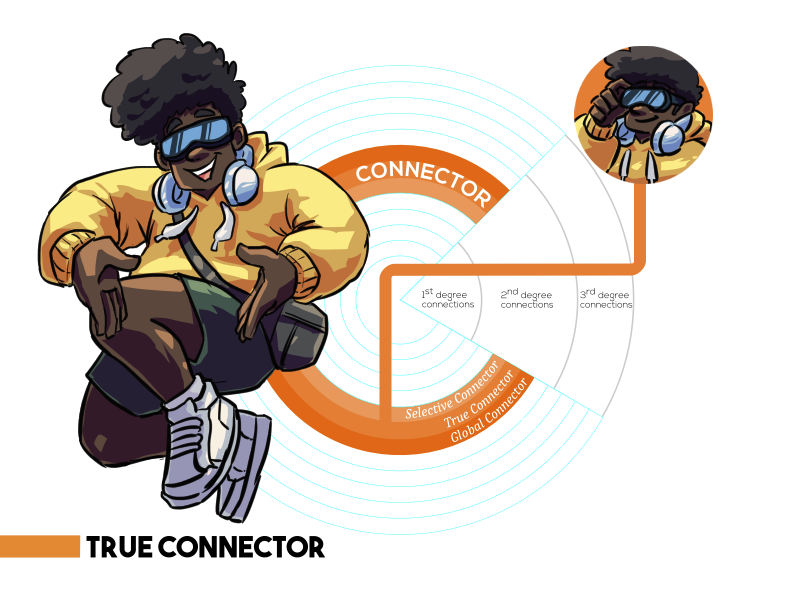
Connectors excel at networking through second-degree connections, effectively bridging different groups and communities. They are adept at expanding their network through known contacts, thus accessing a wide array of opportunities and insights.
As a True Connector, you focus on meeting new faces – second degree contacts – that are part of your extended network, friends-of-friends or colleagues-of-colleagues. However, don’t forget to keep a good balance. To keep in touch with your first-degree connections and nurture meaningful relationships within your existing network, it’s important to also broaden your horizons by reaching out to people who are connected to someone you know. There will be new opportunities to be explored!
Here’s how you engage with other professionals
Focus in Team Dynamics: Connectors excel in bringing together diverse team members, creating a network of varied skills and backgrounds within their team.
Focus in Building Connections: They expand their professional network through known contacts, effectively bridging different groups and communities.
Impact on Success: Their ability to link various networks results in a team rich in perspectives and a wide-reaching, interconnected network, leading to innovative solutions.
How can you get better?
Connectors should ensure their network maintains quality and depth. While exploring new connections, meaningful and reciprocal relationships are essential. This focus on quality ensures their network remains a reliable source of diverse opportunities and support. To avoid superficial connections, Connectors could periodically revisit and strengthen key relationships. Fostering deeper connections within their expanded network can lead to more meaningful and beneficial professional interactions.
Here are a few resources that can help you!
Who are your fellow networkers? Discover the Connection Compass universe
The Covve Connection Compass framework helps you recognize your networking tendencies, from focusing on deep, long-standing connections to seeking new contacts in uncharted territories. By identifying your primary networking style, you can strategize your networking efforts, balance deepening existing relationships with exploring new ones, and adapt your approach to suit different professional contexts and goals.
Find out who your fellow networkers are so that you can equip yourself for more strategic interactions based on others’ networking behaviors.
Anchors
Anchors are professionals who prioritize building and maintaining deep, meaningful connections. They believe in the power of a close-knit professional network, fostering personally fulfilling and professionally advantageous relationships.
Catalysts
Catalysts adeptly balance nurturing existing relationships with exploring new connections. They are skilled in using their current network as a springboard to reach out to new contacts, thereby maintaining a dynamic and versatile professional network.
Connectors
Connectors excel at networking through second-degree connections, effectively bridging different groups and communities. They are adept at expanding their network through known contacts, thus accessing a wide array of opportunities and insights.
Pathfinders
Pathfinders are known for actively seeking new contacts while maintaining ties with their existing network. They balance the pursuit of fresh opportunities with a certain level of familiarity, making them adaptable in dynamic professional landscapes.
Explorers
Explorers are characterized by their pursuit of entirely new connections, constantly expanding their network into uncharted territories. Their focus on broadening their network aligns with the modern professional landscape’s demand for innovation and cross-industry collaboration.
Continue reading…
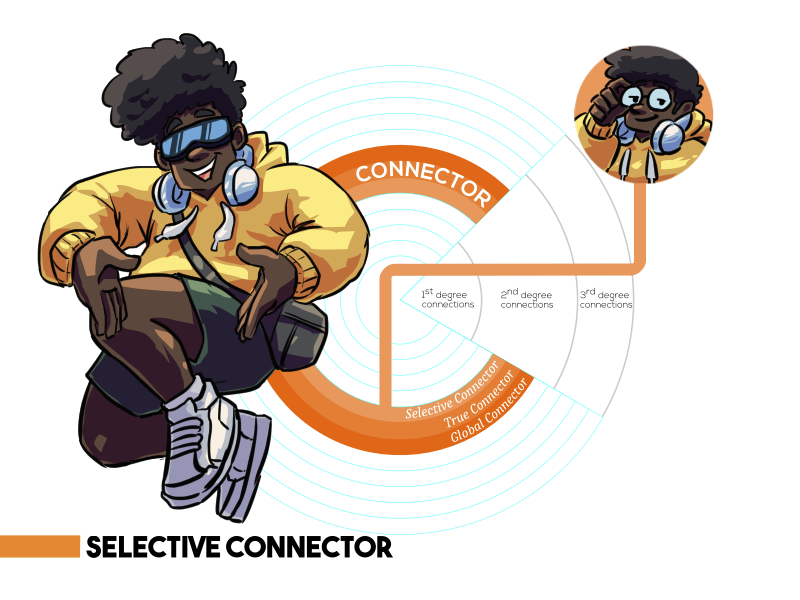
Connectors excel at networking through second-degree connections, effectively bridging different groups and communities. They are adept at expanding their network through known contacts, thus accessing a wide array of opportunities and insights.
As a Selective Connector you like to meet new faces – second degree contacts – that are part of your extended network, friends-of-friends or colleagues-of-colleagues, but also stay close to your core network; your first degree contacts. In this way, you maintain a balance between nurturing your existing relationships while also embracing new ones.
Here’s how you engage with other professionals
Focus in Team Dynamics: Connectors excel in bringing together diverse team members, creating a network of varied skills and backgrounds within their team.
Focus in Building Connections: They expand their professional network through known contacts, effectively bridging different groups and communities.
Impact on Success: Their ability to link various networks results in a team rich in perspectives and a wide-reaching, interconnected network, leading to innovative solutions.
How can you get better?
Connectors should ensure their network maintains quality and depth. While exploring new connections, meaningful and reciprocal relationships are essential. This focus on quality ensures their network remains a reliable source of diverse opportunities and support. To avoid superficial connections, Connectors could periodically revisit and strengthen key relationships. Fostering deeper connections within their expanded network can lead to more meaningful and beneficial professional interactions.
Here are a few resources that can help you!
Who are your fellow networkers? Discover the Connection Compass universe
The Covve Connection Compass framework helps you recognize your networking tendencies, from focusing on deep, long-standing connections to seeking new contacts in uncharted territories. By identifying your primary networking style, you can strategize your networking efforts, balance deepening existing relationships with exploring new ones, and adapt your approach to suit different professional contexts and goals.
Find out who your fellow networkers are so that you can equip yourself for more strategic interactions based on others’ networking behaviors.
Anchors
Anchors are professionals who prioritize building and maintaining deep, meaningful connections. They believe in the power of a close-knit professional network, fostering personally fulfilling and professionally advantageous relationships.
Catalysts
Catalysts adeptly balance nurturing existing relationships with exploring new connections. They are skilled in using their current network as a springboard to reach out to new contacts, thereby maintaining a dynamic and versatile professional network.
Connectors
Connectors excel at networking through second-degree connections, effectively bridging different groups and communities. They are adept at expanding their network through known contacts, thus accessing a wide array of opportunities and insights.
Pathfinders
Pathfinders are known for actively seeking new contacts while maintaining ties with their existing network. They balance the pursuit of fresh opportunities with a certain level of familiarity, making them adaptable in dynamic professional landscapes.
Explorers
Explorers are characterized by their pursuit of entirely new connections, constantly expanding their network into uncharted territories. Their focus on broadening their network aligns with the modern professional landscape’s demand for innovation and cross-industry collaboration.
Continue reading…
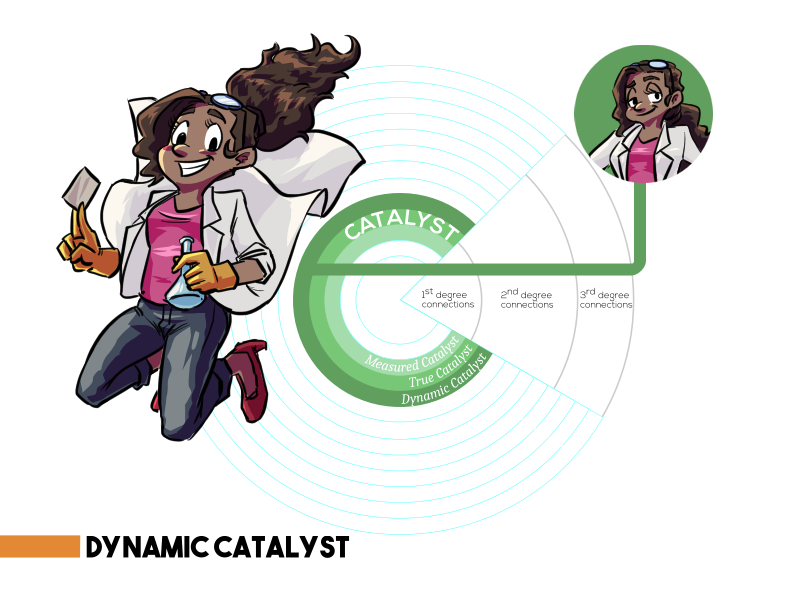
Catalysts adeptly balance nurturing existing relationships with exploring new connections. They are skilled in using their current network as a springboard to reach out to new contacts, thereby maintaining a dynamic and versatile professional network.
As a Dynamic Catalyst, you are leaning closer to meeting new people from your extended network. This is amazing, as new contacts come with new knowledge, experience and opportunities! However, don’t forget to stay in touch with your core network and reach out to them once in a while. Maintaining a balance between nurturing your existing network and making new connections is essential!
Here’s how you engage with other professionals
Focus in Team Dynamics: Catalysts strike a balance between maintaining strong, existing team bonds and integrating new members, fostering a dynamic and adaptable team environment.
Focus in Building Connections: In networking, they use their existing contacts as a springboard to reach out to new connections, maintaining a versatile and evolving professional network.
Impact on Success: This approach allows Catalysts to leverage a variety of opportunities and collaborations, benefitting from both the stability of long-term relationships and the novelty of new ideas.
How can you get better?
To maintain their effective networking style, Catalysts should continuously nurture their current connections even as they explore new ones. Regularly revisiting and strengthening these relationships ensures a solid foundation for their expanding network. Being selective and intentional about new connections can enhance a Catalyst’s networking strategy. Focusing on the quality of new contacts and dedicating time to cultivate these relationships can lead to a more robust and beneficial network.
Here are a few resources that can help you!
Who are your fellow networkers? Discover the Connection Compass universe
The Covve Connection Compass framework helps you recognize your networking tendencies, from focusing on deep, long-standing connections to seeking new contacts in uncharted territories. By identifying your primary networking style, you can strategize your networking efforts, balance deepening existing relationships with exploring new ones, and adapt your approach to suit different professional contexts and goals.
Find out who your fellow networkers are so that you can equip yourself for more strategic interactions based on others’ networking behaviors.
Anchors
Anchors are professionals who prioritize building and maintaining deep, meaningful connections. They believe in the power of a close-knit professional network, fostering personally fulfilling and professionally advantageous relationships.
Catalysts
Catalysts adeptly balance nurturing existing relationships with exploring new connections. They are skilled in using their current network as a springboard to reach out to new contacts, thereby maintaining a dynamic and versatile professional network.
Connectors
Connectors excel at networking through second-degree connections, effectively bridging different groups and communities. They are adept at expanding their network through known contacts, thus accessing a wide array of opportunities and insights.
Pathfinders
Pathfinders are known for actively seeking new contacts while maintaining ties with their existing network. They balance the pursuit of fresh opportunities with a certain level of familiarity, making them adaptable in dynamic professional landscapes.
Explorers
Explorers are characterized by their pursuit of entirely new connections, constantly expanding their network into uncharted territories. Their focus on broadening their network aligns with the modern professional landscape’s demand for innovation and cross-industry collaboration.
Continue reading…

Catalysts adeptly balance nurturing existing relationships with exploring new connections. They are skilled in using their current network as a springboard to reach out to new contacts, thereby maintaining a dynamic and versatile professional network.
As a True Catalyst, you are at the center between your first degree and second degree networks. The first refers to people you already know; the second refers to individuals that are connected to the people you know. Ensure that you keep the balance between the two networks. In other words, keep making meaningful connections and stay in touch with people that matter, friends, family and colleagues, and at the same time keep meeting new people.
Here’s how you engage with other professionals
Focus in Team Dynamics: Catalysts strike a balance between maintaining strong, existing team bonds and integrating new members, fostering a dynamic and adaptable team environment.
Focus in Building Connections: In networking, they use their existing contacts as a springboard to reach out to new connections, maintaining a versatile and evolving professional network.
Impact on Success: This approach allows Catalysts to leverage a variety of opportunities and collaborations, benefitting from both the stability of long-term relationships and the novelty of new ideas.
How can you get better?
To maintain their effective networking style, Catalysts should continuously nurture their current connections even as they explore new ones. Regularly revisiting and strengthening these relationships ensures a solid foundation for their expanding network. Being selective and intentional about new connections can enhance a Catalyst’s networking strategy. Focusing on the quality of new contacts and dedicating time to cultivate these relationships can lead to a more robust and beneficial network.
Here are a few resources that can help you!
Who are your fellow networkers? Discover the Connection Compass universe
The Covve Connection Compass framework helps you recognize your networking tendencies, from focusing on deep, long-standing connections to seeking new contacts in uncharted territories. By identifying your primary networking style, you can strategize your networking efforts, balance deepening existing relationships with exploring new ones, and adapt your approach to suit different professional contexts and goals.
Find out who your fellow networkers are so that you can equip yourself for more strategic interactions based on others’ networking behaviors.
Anchors
Anchors are professionals who prioritize building and maintaining deep, meaningful connections. They believe in the power of a close-knit professional network, fostering personally fulfilling and professionally advantageous relationships.
Catalysts
Catalysts adeptly balance nurturing existing relationships with exploring new connections. They are skilled in using their current network as a springboard to reach out to new contacts, thereby maintaining a dynamic and versatile professional network.
Connectors
Connectors excel at networking through second-degree connections, effectively bridging different groups and communities. They are adept at expanding their network through known contacts, thus accessing a wide array of opportunities and insights.
Pathfinders
Pathfinders are known for actively seeking new contacts while maintaining ties with their existing network. They balance the pursuit of fresh opportunities with a certain level of familiarity, making them adaptable in dynamic professional landscapes.
Explorers
Explorers are characterized by their pursuit of entirely new connections, constantly expanding their network into uncharted territories. Their focus on broadening their network aligns with the modern professional landscape’s demand for innovation and cross-industry collaboration.
Continue reading…