A Pile of Lost Treasures

Think about the last time you attended a networking event or a conference. Chances are, you left with a pocket-or bag-full of business cards. At first glance, each card feels like a small opportunity. A lead. A potential connection. Yet, somehow, many of them end up on your desk, forgotten, or worse, lost in the abyss of “things I’ll get to later.” Those cards, those opportunities, become nothing more than a pile of lost treasures.

But what if you could take those treasures and make them shine?

Turning Cards into Connections

A business card is a moment. A handshake, a conversation, a chance to connect. When those moments aren’t captured, they fade. A card scanner changes that. By digitizing those details-names, numbers, emails, and more – you’re organizing and reclaiming. Suddenly, that pile of cards is transformed into an organized, searchable, and actionable system.

The beauty of a card scanner lies in its simplicity. Snap a picture, and the scanner takes care of the rest. It makes stored contacts accessible when they matter most.

Goodbye, Clutter

Let’s face it: physical cards can get messy. They pile up in drawers, wallets, and bags, becoming little more than forgotten clutter. Scanning cards goes beyond organization; it helps in clearing the mental and physical space to focus on what matters: building relationships.

A good card scanner allows you to add notes right after scanning. That quick jot, “met at X conference, discussed Y project”, saves you from awkward moments later when you’re trying to remember who’s who.

Organization, Fast and Easy

Fast scanning is key. You’re busy, and no one has time to sit and input contact details manually. The best tools are intuitive: point, click, save. Filters make it even easier. Want to find someone you met last month at that tech seminar? Type a keyword, and they’re right there, ready to reconnect.

Languages? Not a barrier. A quality card scanner can read and store information from cards in multiple languages, keeping you connected no matter where you are or who you meet.

Relationships Over Leads

Using a card scanner can be the difference-maker when seeking opportunities. Leads are possibilities. With your contacts organized, you can focus on meaningful follow-ups—emails that show you listened, meetings that build trust, and conversations that drive collaboration.

Imagine meeting someone who remembers the smallest detail about your conversation. It’s memorable, it’s professional, and it’s powerful. Being organized is a critical skill to nurture when forging meaningful relationships.

Never Lose Another Treasure

In the end, it’s what we do with the opportunities that come our way, and it’s a shame to lose them or to throw them away. A card scanner is your key to moving from lost treasures to lasting relationships. Whether you’re a solo entrepreneur or a business managing hundreds of leads, the right tools make all the difference.

Every card scanned is a connection saved, an opportunity secured, a treasure found.

So, let the clutter go. Take those moments—the handshakes, the smiles, the quick exchanges—and turn them into something that lasts. Because the best treasures aren’t lost; they’re nurtured.

Ready to capture and nurture more leads for business growth? Get in touch at [email protected].

Continue reading…

The Secret to Building Communities that Last

What makes a community thrive? Is it the number of people involved? The energy in the room? Or is it something deeper—shared goals, genuine connections, and a system that keeps everyone engaged over time?

Communities that last are ecosystems of collaboration and trust, built on meaningful interactions and a common purpose. They create products, services, workshops, and movements. They are empowered and enabled groups that can achieve goals, together. Personal CRMs (pCRMs) like Covve’s provide the tools to turn connections into something extraordinary.

Connecting People with Purpose

Building a lasting community starts with connecting individuals who can support and inspire one another. A pCRM like Covve makes this possible by helping you organize your network with precision. It allows you to bridge gaps between contacts, introducing people to others who can help them reach their goals. A designer meets a marketer. A developer meets a project manager. The sparks of collaboration begin, and a community takes shape.

It’s not a means for gaining popularity. These are thoughtful connections that bring value to everyone involved, laying the foundation for relationships that matter.

Staying Organized and Informed

Keeping track of a growing network can be challenging. A pCRM simplifies that by letting you categorize contacts based on what’s important: hobbies, interests, roles, industries, and more. With these tools, you can focus on the details that drive engagement and turn passing acquaintances into meaningful relationships.

Knowing what’s happening in your network helps you act with purpose. A quick update on someone’s promotion or a new venture can lead to timely conversations that build trust and deepen bonds. Covve’s ability to keep you updated ensures you’ll always have something relevant to say when reaching out to your community.

Bridging the Distance

The greatest element of a digitized world is that we can connect with anyone, anywhere. A robust pCRM keeps connections alive, regardless of distance. Whether your contacts are in the next town or on the other side of the globe, the tools to engage and collaborate remain the same.

This sense of connection is vital. Communities thrive when their members feel included and valued, no matter where they are. By combining physical and digital communication, a pCRM creates continuity and belonging for everyone involved.

Why Communities Are Worth Building

Communities achieve things individuals can’t do alone. They drive change, create innovations, and solve problems by pooling diverse skills and perspectives. A community with shared goals and a supportive structure becomes a powerhouse for action.

The tools you use to manage those relationships make all the difference. A pCRM gives you the ability to connect contacts thoughtfully and maintain relationships with intention. It transforms a scattered network into a cohesive, goal-oriented community that can grow and sustain itself.

Your Next Move

The relationships you’ve built are full of untapped potential. A pCRM unlocks that potential, helping you nurture connections, introduce people, and create opportunities for collaboration. Communities that last don’t happen by accident. They’re formed through deliberate effort, guided by the right tools.

It’s time to build something that matters. The possibilities are endless, and the world is ready for what your community can achieve.

Give Covve a try for free. If you’re not quite ready, subscribe to The Networker, our bi-weekly newsletter, to stay up to date on connection insights and tips.

Continue reading…

Honoring Memories with Ashley Jones

Ashley Jones is the founder and CEO of the Memento Foundation, a nonprofit dedicated to supporting people on their healing journeys through grief. Driven by the loss of her daughter, Ashley’s work has touched countless lives, providing tools and resources for healing. At October’s Joyful Masterclass for Connection Professionals, Ashley led a poignant activity that encouraged participants to reflect on the lasting impact of those they’ve lost.

Her activity invited participants to think about someone they’ve lost who helped shape who they are today. What followed was participants sharing a value, piece of wisdom, or ritual they inherited from that person—something that still influences their lives. Recognizing how these connections continue to shape our actions and values can be eye-opening and liberating, and it is a great way to do it than with a friend, colleague, or family member.

Try This Activity in 4 Simple Steps

  1. Think of Someone Who Influenced You
    1. Think about someone you’ve lost who had a significant impact on your life.
  2. Identify Their Legacy
    1. Reflect on a value or lesson they passed on to you. What do you carry forward from their influence?
  3. Share Their Story
    1. Say their name, your relationship to them, and how they remain a part of your life today.
  4. Encourage Dialogue
    1. Invite others to share their own stories in a group or one-on-one setting.

Fostering deeper understanding and connection by sharing the legacies of those who have shaped us is like a door we open for others to peer into the meaningful corners of our identity.

By reflecting on the values and lessons we’ve inherited from those we’ve lost, we honor their memory while also revealing more about ourselves to others. It’s a chance to share a piece of our story and learn from the experiences of others.

It’s an impactful approach to deepening relationships in both personal and professional settings. It allows you and your friends, mentors, colleagues, and even relatives to connect on a deeply human level, fostering trust and empathy. Whether it’s around a dinner table, in a team-building workshop, or during a one-on-one conversation, this activity serves as a powerful reminder of the connections that define us.

Continue reading…

The Big Bad Monster or Your Savior?

AI’s Role in Relationship-Building

As the New Year dawns, many of us set resolutions to nurture our relationships—both personal and professional. But sticking to these goals is easier said than done. Life gets busy, and intentions often get lost in the shuffle. That’s where artificial intelligence steps in, not as a replacement for human effort but as an enabler, making those resolutions easier to keep.

The rise of artificial intelligence has sparked a paradox of emotions. On one hand, there’s awe at its potential to transform industries and improve lives. On the other, there’s skepticism and fear—particularly when it comes to authenticity. Deepfakes, autogenerated content, and algorithmically curated experiences often lack the originality and sincerity we crave in our human interactions.

The question then looms: can AI actually help us build deeper, more meaningful relationships? Or does it inevitably strip away the authenticity that makes those connections real?

A Tool, Not a Substitute

AI, like any tool, is neutral—it becomes what we make of it. Think of it as a hammer. In the right hands, a hammer can build a house; in the wrong hands, it can destroy one. The outcome depends entirely on the intent and skill of the user.

If one of your resolutions is to reconnect with old friends or strengthen ties with colleagues, tools like Covve’s personal CRM (pCRM) can turn that goal into a reality. Built with a philosophy of building in mind, Covve’s standout features use AI to save you time on logistics, allowing you to focus on the human connection. The AI-powered news feed surfaces updates tailored to your contacts, giving you context for natural, thoughtful conversations. At the same time, other

AI-driven tools help you stay on top of relationship management effortlessly. Need to draft a personalized message? AI helps you create and tailor it with ease. Forward an email thread to the AI assistant, and it will create a new contact, set reminders, and log notes for future reference.

The’re features that amplify your effort. They streamline the behind-the-scenes work so you can engage with your relationships authentically and effectively.

Authenticity Isn’t Compromised—It’s Amplified

Critics argue that AI can make interactions feel transactional or artificial. But this concern misunderstands the role of AI in tools as found in Covve’s pCRM. You don’t have to wing it or hope for the best when being authentic. You simply show you care with intention in your own way. Taking the time to learn about someone’s passions, professional achievements, or challenges shows thoughtfulness, not inauthenticity.

You can start this New Year with a tool that helps you remember key details about your network, like who’s recently changed jobs or launched a new project. When AI takes on the legwork of gathering this information and managing logistical tasks, it frees you to focus on what really matters: the human connection.

Instead of spending hours scrolling through articles or trying to remember details from your last conversation, you’re equipped with context that lets you dive straight into meaningful dialogue.

Building Relationships with AI, Not Despite It

At its core, relationship-building is about trust, effort, and consistency. AI can’t do these for you, but it can help you do them better. By managing tasks like drafting personalized messages, organizing follow-ups, and surfacing insights about your contacts, AI ensures you spend less time on logistics and more time on genuine interactions. It becomes an ally in fostering relationships, not a barrier.

The team at Covve understands this balance deeply. They’ve designed their pCRM to support professionals in building and maintaining relationships, putting control in the hands of the user. The AI adapts to the information you provide, giving you tools to connect on a deeper level.

A Commitment to Meaningful Connections

The evolution of AI will continue exponentially, so it’s important to remember that it’s not the tool, but how you use it. As you consider your goals for the year ahead, remember that tools like Covve can help you achieve them. Whether it’s a business partnership, a mentorship, or a lifelong friendship, the focus is clear: building lasting relationships.

So, as you pencil in your resolutions, consider this: AI isn’t the big bad monster it’s often made out to be. It’s a savior for those willing to wield it with purpose. Let this be the year you take control of your relationships with a little help from AI.

Install Covve App today and get started for free, 1 relationship at a time!

Continue reading…

The Loudest Voices Drown Out the Ones That Matter Most

The thought of letting people down, or carrying an intense sense of duty, can be overwhelming at times. It leads to many of us saying “yes” when we don’t really mean it. Each added commitment—a quick meeting, another favor—might seem harmless, but over time, these small “yeses” accumulate into a seemingly insurmountable mountain.

We feel we’re doing the right thing, showing up and being dependable, but with every “yes,” we edge further away from what truly fuels us. Slowly, the voices that elevate us, inspire us, or remind us of our strengths are overshadowed by louder, more demanding ones.

The effect of this isn’t just surface-level. When we’re pulled in every direction, we risk losing sight of what’s important, caught up in interactions that don’t bring joy or value. Sometimes, the loudest voices in our lives—the ones that keep us in place rather than lift us up—are from people closest to us: family members, managers, colleagues, or friends. These relationships might hold us back at times, whether through doubt, habit, or old patterns.

Choosing the Voices that Amplify You

The challenge is recognizing who leaves us feeling energized and who leaves us feeling drained. To truly prioritize the voices that amplify us, we need to approach our relationships with intention. It’s about making choices that bring us closer to a supportive, balanced network. Mo Bunnell, business development expert and author, highlights that sometimes, it takes a shift in mindset. Particularly in our outreach to our relationships. Being spontaneous can be fun, but it’s not intentional, so it lacks purpose and meaning.

Having a systems mindset, however, helps us hold ourselves accountable and be consistent with our commitments to our relationships, making them feel heard, and encouraging them to stay connected.

Sometimes, it’s the quieter voices—the ones we’ve lost touch with—that hold the most meaning. Think back to a friend, a mentor, or a colleague who made you feel like your true self or offered guidance when you needed it. Reigniting these connections can feel awkward, especially after time has passed. But when we organize our relationships and interactions, we make it easier to reach out without hesitation, reconnecting with people who genuinely lift us up.

Building Habits That Keep You Grounded

This is where a relationship copilot like Covve’s personal CRM (pCRM) can make a real difference. By organizing contacts and setting reminders, Covve’s pCRM helps us stay connected to people who truly amplify us. It can be easy to get caught up in day-to-day obligations, but with a pCRM dedicated to fostering lasting relationships, we can stay grounded by bringing back the voices that matter.

Instead of letting relationships fizzle out, Covve’s gentle reminders help us keep these connections alive in meaningful ways. We even get news feeds tailored to our contact’s interests, industries, and hobbies, to help us break the ice or keep relationships warm.

The best way to clear the noise is by finding the ones that strengthen us and dedicating time to them. Don’t forget to express gratitude to them, and reciprocate! You can start your empowered relationship-building journey start with four easy steps:

  1. Download Covve’s app and sync it with your address book
  2. Organize contacts by adding notes, tags, and categories
  3. Set reminders to follow up with contacts at the right time
  4. Share digital business cards and receive AI-powered updates about your contacts

Give Covve a try for free. If you’re not quite ready, subscribe to The Networker, our bi-weekly newsletter, to stay up to date on connection insights and tips.

Continue reading…

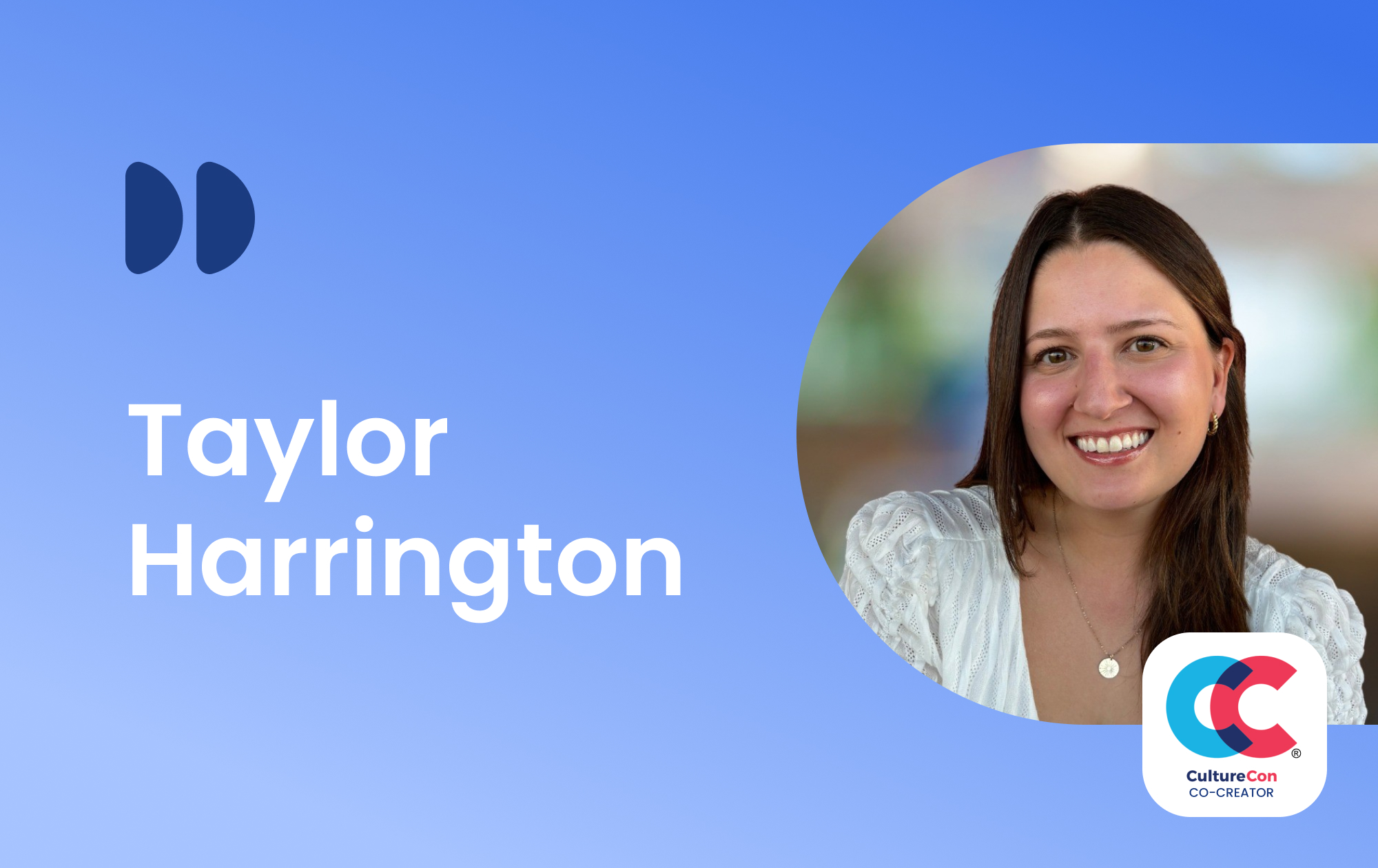
Connecting Through Books with Taylor Harrington

Meet Taylor Harrington, the Head of Community at Groove—a coworking community designed to help people have better weeks working from home. Her background includes crafting transformative online workshops with author Seth Godin and traveling the country while hosting virtual gatherings called Craving Connection. At October’s Joyful Masterclass for Connection Professionals, Taylor shared a personal favorite activity: Bring Your Own Book (BYOB).

Her activity is a straightforward and memorable approach to getting to know someone better. In the workshop, participants were asked to think of one book that has profoundly influenced them—whether it was a recent read, a childhood favorite, or something in between.

They shared what the book is and why it resonated with them, reflecting on where they were before reading it and how it shaped them afterward. Do you want to use this activity to spark deep conversations, revealing glimpses into people’s values, interests, and personal journeys? Have a look below to see how you can give this a try.

Give the BYOB activity a try in 3 simple steps:

  1. Choose a Book That Matters
    1. Pick a book that has significantly impacted your life. It doesn’t have to be the “perfect” choice—just something meaningful to you.
  2. Reflect on Its Impact
    1. Consider how the book influenced your perspective, habits, or values. Think about what made it stand out to you.
  3. Share and Listen
    1. In a group setting, share the book and why it’s meaningful. Encourage others to do the same, and listen to their stories with curiosity.

BYOB opens a door to deeper connections; it’s a way to move past small talk and get to know the heart of someone else’s experiences.

What makes Taylor’s activity so engaging is its simplicity. It reminds us that books are more than just stories—they’re reflections of who we are and what we care about. By inviting others to share their personal connections to a book, we create opportunities for meaningful dialogue and authentic relationships.

Whether it’s during a team-building session, a family gathering, or even a chance meeting with someone new, this activity has the power to transform how we connect. The next time you’re looking to break the ice, skip the usual small talk and ask, “What’s one book that’s made a difference for you, and why?” You’ll be amazed by where the conversation takes you.

Continue reading…

Is Loneliness the Next Silent Health Crisis?

In May 2023, the U.S. Surgeon General declared loneliness a public health crisis, warning that its health effects are as harmful as smoking 15 cigarettes a day. Once regarded as a personal challenge, loneliness is now recognized as a pervasive issue with significant implications for societal well-being. As researchers and policymakers rally to address this issue, a fundamental question remains: Is this loneliness epidemic truly a shift in society, or is it simply an inevitable byproduct of our modern lives?

The Surgeon General’s Sobering Findings

According to the advisory from the U.S. Surgeon General, Dr. Vivek Murthy, loneliness is a pressing public health issue. Research shows it can increase the risk of early death by as much as 50%—comparable to the health risks associated with chronic smoking or obesity. Studies cited in the report link loneliness to a higher likelihood of cardiovascular disease, depression, and anxiety, underscoring its profound effects on both mental and physical health¹².

The advisory highlights the particularly severe impact on two vulnerable groups: younger adults and the elderly. Middle-aged men in the U.S. are also affected, facing high levels of loneliness and reporting fewer close friendships compared to their counterparts in other regions. This trend has left many men without the social support they need to maintain mental well-being, revealing the depth of the loneliness crisis across all age groups¹³.

A Global Response to a Shared Crisis

Loneliness might feel like a distinctly modern phenomenon, yet it’s recognized as a global issue. South Korea has committed over $300 million to combat “lonely deaths,” instances where individuals pass away in isolation without friends or family noticing. This initiative involves hotlines, public outreach, and the creation of spaces to foster social interaction, emphasizing the urgency of the issue⁴. Japan faces a similar crisis with “hikikomori,” or social recluses, and has developed support programs to reintegrate these individuals into society. Similarly, the United Kingdom has launched national campaigns to promote community engagement and social participation, highlighting how loneliness transcends borders, cultures, and demographics⁵.

A Familiar Problem with Modern Ramifications

Though loneliness may feel like a distinctly 21st-century issue, it is not new. Periods of widespread loneliness have often coincided with significant social or technological upheavals. Harvard political scientist Robert Putnam, in his book Bowling Alone, documented the steady decline of civic engagement and social participation in the United States. As Americans moved to urban centers and adopted more individualistic values, they left behind traditional community bonds that once provided social support⁶.

Today, digital technology has further accelerated this trend. Although social media was initially celebrated for its potential to connect people, it often contributes to what researchers term “digital isolation.” Despite frequent online interactions, meaningful connections have become rare, heightening feelings of loneliness and disconnection⁵. This shift has resulted in a society that is simultaneously more connected and more isolated than ever before.

Addressing the Complexities of Loneliness

The complexity of loneliness lies in its multifaceted causes, shaped by both individual and structural factors. Loneliness is not simply a lack of companionship; it is often a subjective feeling of disconnection, influenced by societal norms and personal relationships. According to the Surgeon General’s report, various societal trends contribute to loneliness, including urban migration, remote work, and an increasing number of single-person households—all of which can reduce the frequency of spontaneous social interactions once central to community life¹.

Understanding loneliness also requires acknowledging its unique impact on different demographics. Younger adults often face isolation as they navigate career transitions and new life stages, while elderly individuals are more likely to experience social isolation due to health decline and the loss of loved ones. Middle-aged men, often caught between work and family obligations, struggle to maintain friendships, further amplifying the impact of social isolation across all age groups³.

A Historical Perspective on Workplace Loneliness

In a 2017 Harvard Business Review article, Laura Amico explored the role of technology in workplace loneliness, noting that digital tools, while essential for modern communication, can increase isolation if not used thoughtfully. Stewart Butterfield, CEO of Slack, argued that while technology can streamline work, it must also foster genuine connections⁶. His insights reflect longstanding concerns about the impact of technological advances on human interaction, a pattern observed since the Industrial Revolution. Butterfield emphasized that companies need to actively cultivate a culture of trust and openness to counteract feelings of isolation in the digital workplace. His views underscore that while workplace structures have changed over time, the need for social bonds within workplaces has remained consistent⁶.

Approaches to Combat Loneliness

The strategies being adopted worldwide to address loneliness are varied, from urban planning to workplace reform and digital adjustments. Dr. Murthy’s report outlines six pillars for tackling loneliness, including promoting pro-connection policies, strengthening community resources, and mobilizing healthcare providers to recognize loneliness as a public health risk¹.

Many urban centers are redesigning public spaces to encourage social interaction. Cities like Tokyo and Seoul have introduced parks, community centers, and spaces for group activities that allow people to gather naturally and engage in shared interests⁴. In the digital realm, some governments are calling on social media platforms to adjust algorithms to promote positive online interactions over divisive content⁵.

The workplace is also being recognized as a key setting for combating loneliness. Amico emphasized the importance of moving beyond typical team-building exercises to promote real social bonding among employees. Such practices help reduce isolation, boost productivity, and enhance employee engagement, creating a more connected workplace culture⁶. 

However, critics argue that many of these solutions address only the symptoms of loneliness, rather than its root causes. They suggest that a true resolution requires a cultural shift that values community and well-being over individualism and relentless productivity⁵.

Revaluing Connection in a Disconnected World

While the statistics on loneliness are concerning, history reminds us that this challenge isn’t unique to modernity. Addressing loneliness requires more than quick fixes; it demands a societal shift that values deep, meaningful relationships over superficial connections. The Surgeon General’s advisory emphasizes that tackling loneliness is ultimately a collective effort, encouraging people to actively invest in their relationships and communities¹.

Confronting loneliness offers an opportunity to rebuild society’s social fabric. By fostering genuine connection, we’re not only enhancing individual lives but also creating a stronger, more resilient society.

How the Connection Crew by Covve Helps Combat Loneliness

The Connection Crew by Covve is a dynamic community of professionals dedicated to addressing the loneliness epidemic. Focused on creating meaningful relationships and fostering social health, the Crew leverages shared wisdom and diverse skill sets to amplify their collective impact. Through our bi-monthly online Masterclasses facilitated by our connection professionals, participants gain practical tools to build stronger connections, enhance community engagement, and combat social isolation. These Masterclasses provide a safe space for vulnerability and authentic collaboration, empowering attendees to take action against loneliness and create lasting change in their personal and professional lives.

Join the movement and take the first step – Subscribe to The Networker, our bi-weekly newsletter, to stay up to date on connection insights and tips.


References

  1. “Surgeon General’s Advisory on Loneliness”
  2. Putnam, R. D. Bowling Alone: The Collapse and Revival of American Community
  3. USA Today – “Middle-aged Men in America: A Loneliness Crisis?”
  4. CNN – “A loneliness epidemic is spreading worldwide. Seoul is spending $327 million to stop it”
  5. Vox – “The surprising truth about loneliness in America”
  6. Harvard Business Review – “Work and the Loneliness Epidemic”

Continue reading…

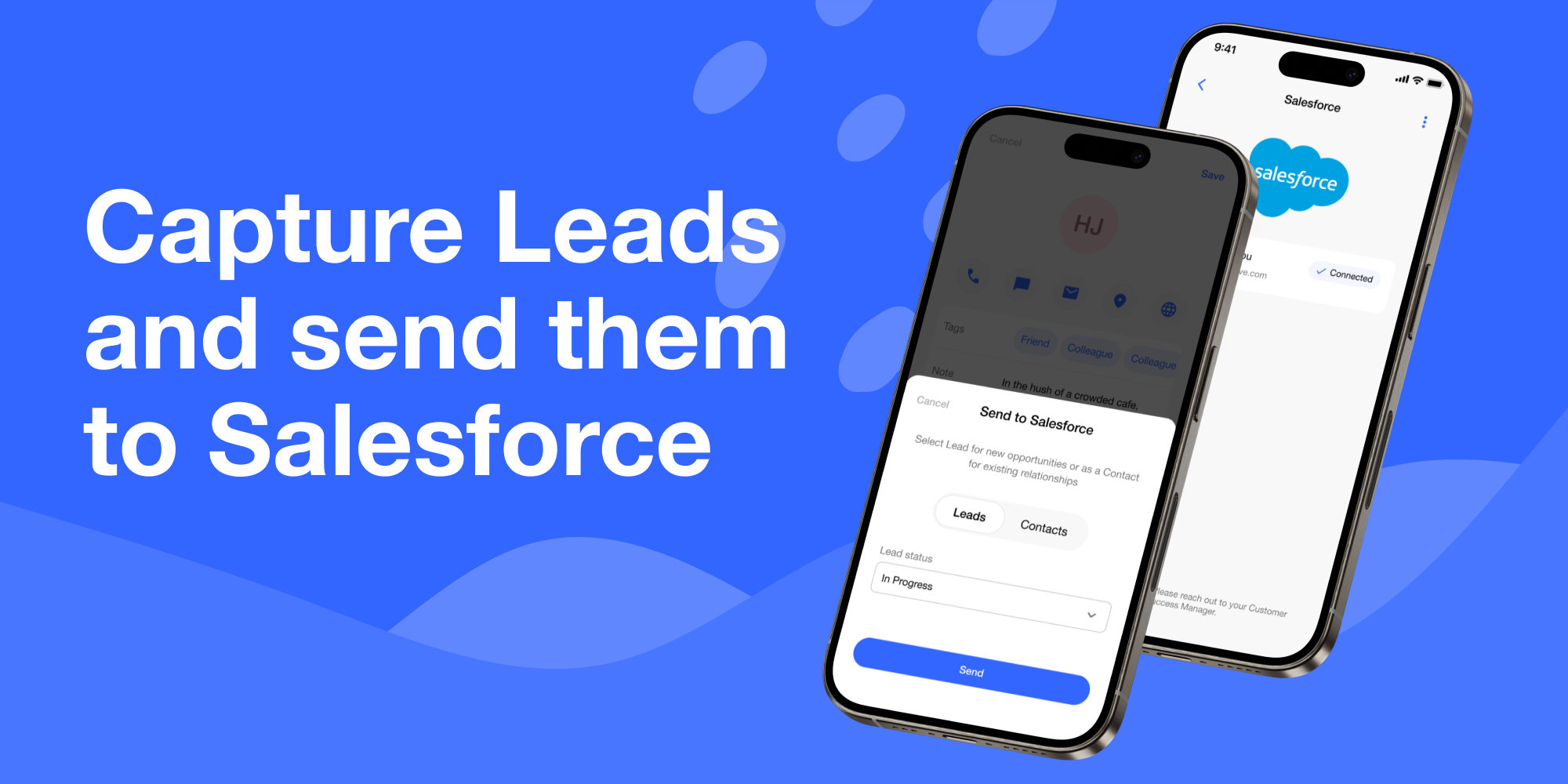
Covve Lead Capture for Salesforce: Revolutionizing Business Card Scanning

Meet, Scan, and it’s on Salesforce!

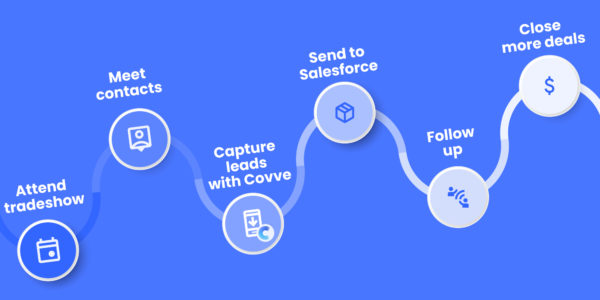
In a world where every connection counts, imagine attending a bustling tradeshow and effortlessly capturing a lead with a single scan. Whether it’s a business card, QR code, or badge, Covve Lead Capture for Salesforce transforms that interaction into a fully integrated CRM record without interrupting your flow. This innovative solution enhances your networking efforts and directly drives actionable insights into your Salesforce system.

Turn Every Business Card into an Opportunity

Forget the days of shuffling through stacks of cards or scribbling notes in haste. Covve Lead Capture leverages state-of-the-art technology—boasting impressive accuracy—to convert your offline interactions into organized digital contacts. Key features include:

  • Instant Digital Conversion: A quick scan transforms a business card into a detailed digital profile.
  • Multiformat Scanning: Capture vital details from badges and QR codes, ensuring every potential lead is recorded.
  • Smart Data Validation: Review and confirm the information before it’s forwarded to Salesforce, guaranteeing that even complex or multilingual data is accurately captured.
  • Tailored Integration: Automatically categorize and import contacts into Salesforce as leads or contacts, according to your customized settings.

Automation. Because Manually Entering your Contacts is a Thing of The Past

Covve Lead Capture isn’t just about digitizing contacts—it’s about empowering your Salesforce workflow with automation and precision. Here’s what sets it apart:

  • Eliminate Data Entry Hassles: Every scan delivers precise, ready-to-use information directly into Salesforce, saving time and minimizing human error.
  • Seamless Workflow Activation: Once data is imported, your pre-set Salesforce processes—such as welcome emails, task assignments, or drip campaigns—are automatically triggered.
  • Global Compatibility: With support for over 30 languages, Covve ensures reliable performance, no matter where your business leads you.
  • Rapid Processing: Perfectly suited for high-volume events, this tool quickly processes each scan, keeping up with your fast-paced schedule.
  • Robust Data Security: Enjoy enterprise-grade protection with GDPR compliance and 256-bit encryption, ensuring your sensitive information is secure at all times.

It’s for Every Professional

Covve Lead Capture transforms lead management for a range of professionals by integrating seamlessly into your Salesforce ecosystem:

  • Sales Professionals: Convert every handshake into an actionable Salesforce record, enhancing follow-up and nurturing opportunities.
  • Event Coordinators: Efficiently handle hundreds of new contacts during large conferences, building a comprehensive and up-to-date CRM database.
  • Recruiters: Rapidly digitize candidate details, streamlining your recruitment process by integrating candidate profiles directly into Salesforce.

Close More Deals with Covve Lead Capture

Stop wasting time with outdated manual processes. Covve Lead Capture redefines how leads are captured, enabling you to focus on strategic relationship-building and closing deals. Your Salesforce CRM becomes a dynamic opportunity hub by automating the transition from physical interaction to digital recording.

Ready to revolutionize your lead management? Schedule a demo today and see firsthand how Covve Lead Capture for Salesforce can transform your networking and CRM workflows.

Start converting more leads to deals today, click here to book your demo.

Continue reading…

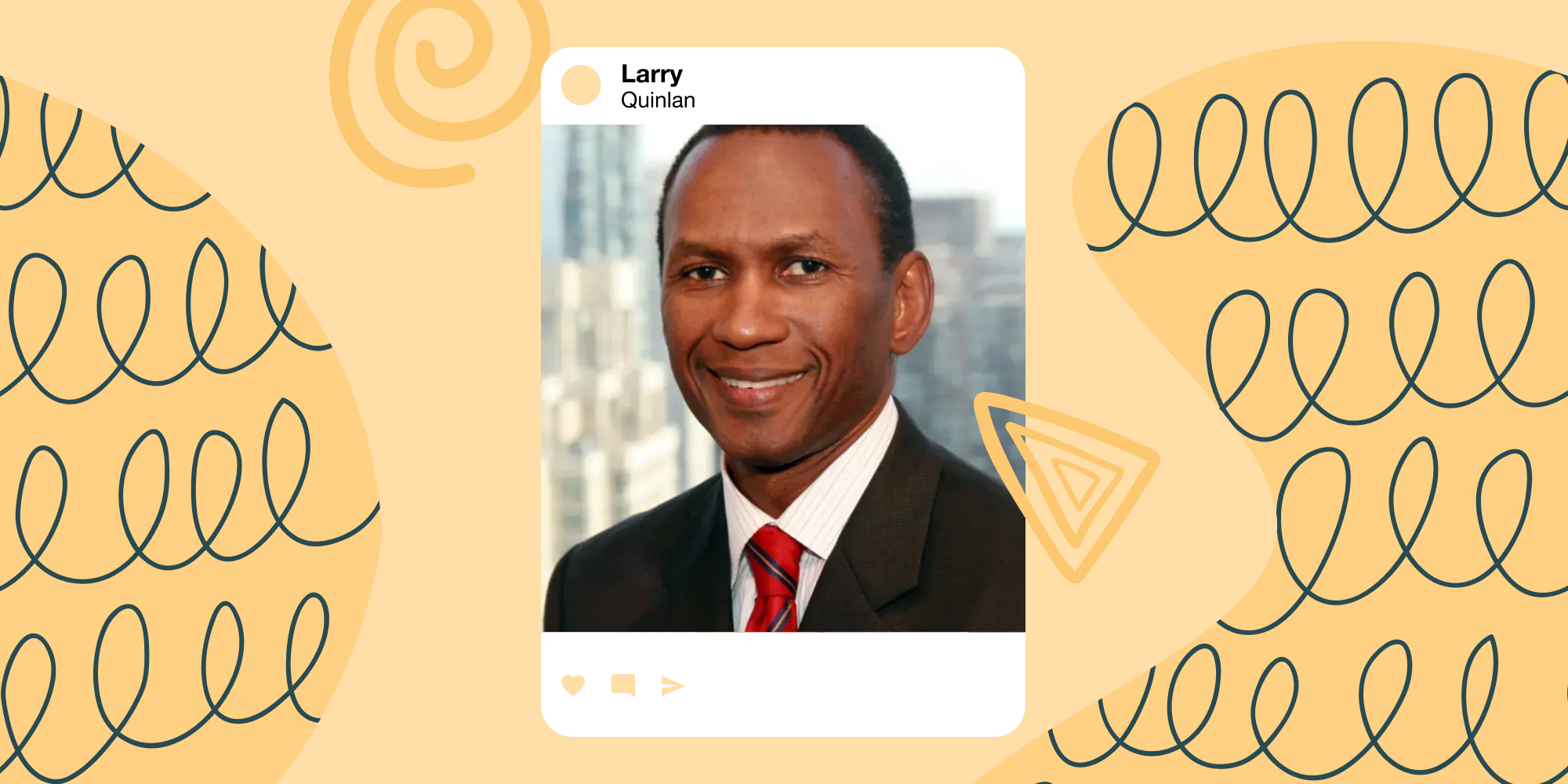
Cultivating Leadership, Networks, and Trust: Insights from Former Deloitte CIO Larry Quinlan

In a recent episode of The Networker Podcast by Covve, Larry Quinlan, former Global CIO of Deloitte, reflected on his journey from the small island of St. Kitts to leading a global team of over 10,000. In conversation with Covve’s CEO Yiannis Gavrielides, Quinlan shared actionable insights on relationships, intentional leadership, and leveraging AI. His perspective offered a valuable framework for leaders aiming to create a meaningful impact in today’s fast-evolving business environment.

The Value of Education and Lifelong Learning

Quinlan credited his career trajectory to the importance his parents placed on education. Growing up, he was instilled with a deep respect for learning, a value he carried forward throughout his personal and professional development. He believed that this continuous learning mindset was essential for leaders, especially as technology and industries advanced at rapid rates.

To foster this in their organizations, Quinlan advised leaders to prioritize intellectual curiosity and promote growth opportunities for their teams. Leaders, he noted, benefited from maintaining a learning-oriented approach themselves, which kept them relevant and adaptable in the face of change.

Building Networks with Authenticity and Intentionality

A cornerstone of Quinlan’s success was building meaningful relationships, which he achieved by adopting a non-transactional approach to networking. Rather than seeking connections for career advancement alone, he viewed relationships as opportunities to learn from diverse perspectives and grow as a leader.

He was also intentional about maintaining his network, using tools like Covve to remember birthdays, schedule check-ins, and stay engaged. This structured yet authentic approach allowed him to strengthen connections even as his responsibilities grew.

Scaling Leadership and Trust Across Large Teams

As Deloitte’s CIO, Quinlan oversaw a vast, international team. He learned that fostering trust at scale required consistent presence and authenticity. Despite his position, he took the time to connect with team members across different locations, often scheduling lunches and visits that communicated his investment in their success and well-being.

Quinlan emphasized that trust is the foundation of a cohesive organization, built through “showing up” both in person and with authentic, personalized communication. In today’s complex environment, where employees feel more engaged when valued, leaders who demonstrate genuine care, vulnerability, and transparency inspire a high-trust culture that motivates and aligns teams.

Harnessing AI with Purpose and Industry-Relevant Application

As AI continues to reshape business operations, Quinlan urged leaders to adopt an industry-specific approach to implementation. He believed AI’s role depended on its applications—whether to improve productivity, reduce costs, or even reshape business models. He advises leaders to identify use cases, prepare their workforce, and foster curiosity through hands-on AI exploration to inspire adaptability and reduce resistance.

Essential Skills for Leaders in a Rapidly Changing World
Reflecting on today’s necessary leadership skills, Quinlan highlighted several timeless qualities: trustworthiness, effective communication, and the ability to inspire. While AI and other technologies might support these skills, he believes that they had to be rooted in genuine human attributes.

In Quinlan’s view, trust remained the foundation of any successful organization, especially as technology amplified, but never replaced, authentic relationships. Similarly, clear and genuine communication, supported by AI when helpful, was essential to advancing team goals. Finally, he emphasized intellectual curiosity, a trait that enabled leaders to adapt and remain engaged amid constant technological shifts.

Key Takeaways for Leaders

  1. Prioritize Learning: Establish a culture of continuous learning and curiosity Build Relationships with Intention: Approach networking as an opportunity for mutual growth rather than a transaction, maintaining authenticity.
  2. Be Present to Build Trust: Even within large organizations, personal gestures and transparent communication are central to fostering trust.
  3. Embrace AI Purposefully: Identify industry-relevant applications of AI and encourage team exploration to make technology an ally, not a threat.
  4. Lead with Timeless Skills: Trust, clear communication, and curiosity remain critical, regardless of technological advancements.

Larry Quinlan’s insights underscored a central theme: that successful leadership requires a blend of timeless human qualities and an adaptable mindset attuned to technological advancements. His experiences offer leaders at all stages a powerful reminder that trust, curiosity, and authentic connection remain essential as organizations navigate today’s digital complexities.


Continue reading…

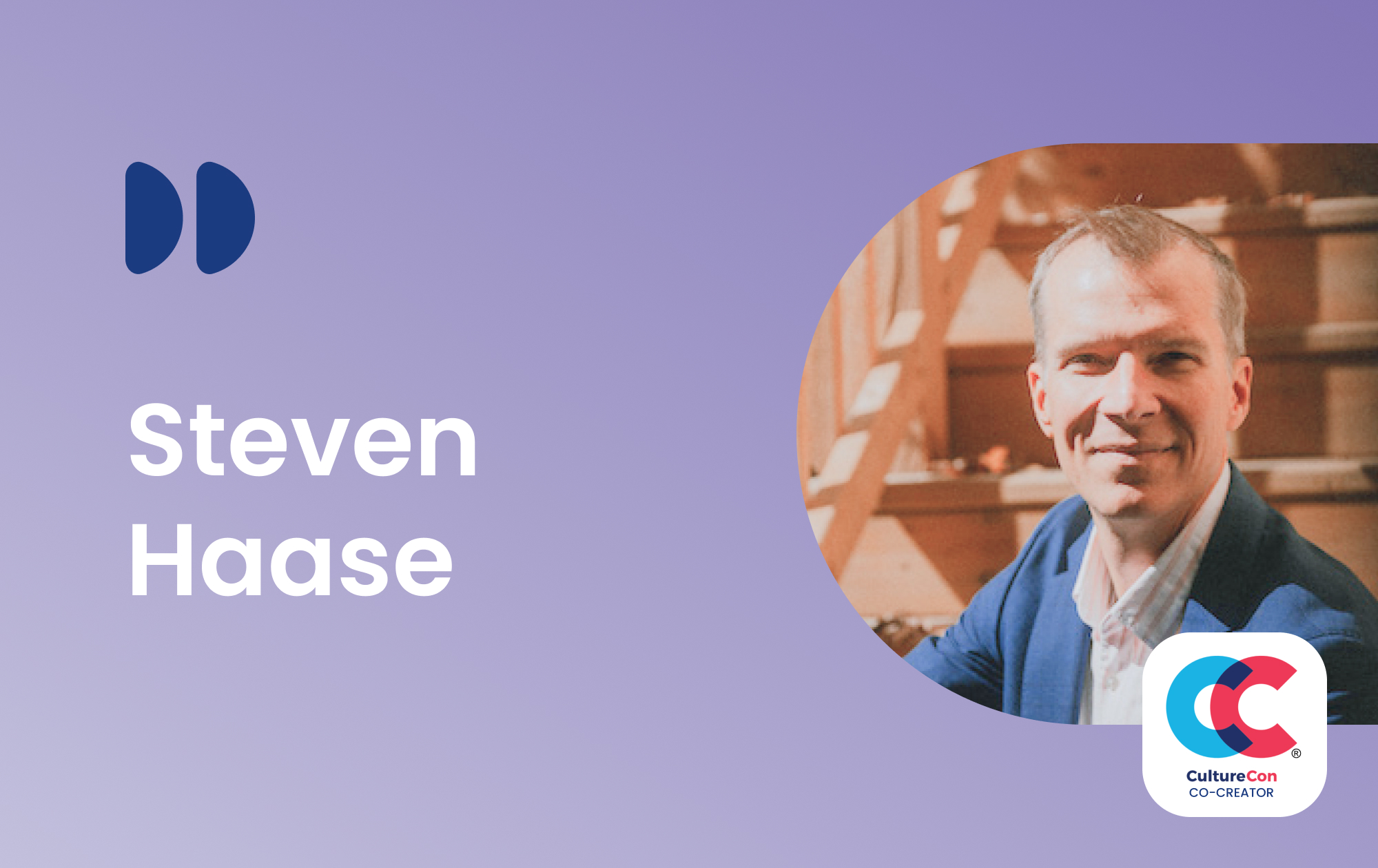
Lighting the Lantern with Steve Haase’s for Purpose and Connection

What drives you? What inspires you to keep going, even on the hardest days? At Covve’s “Joyful Masterclass for Connection Professionals,” Steve Haase introduced a powerful way to answer those questions through his “Lighting the Lantern” activity. This was about finding a vision that aligns with your purpose and connects you to others.

How It Works

Take the first steps by reflecting on two simple but impactful questions:

  1. What is one Lantern you want to light in your life or work?
  2. Why does it matter?

These questions encourage participants to think about their aspirations that energize them and why those goals are significant. Sharing these Lanterns with a partner adds a collaborative element, allowing for mutual understanding and support. Partners listened actively and asked questions to help sharpen each other’s vision.

The Impact

With this exercise, Steve created a space where participants could articulate their purpose and hear others do the same. This was a chance to connect over shared aspirations and find inspiration in the details of others’ journeys. Whether someone spoke about launching a new project, fostering community, or prioritizing personal growth, each Lantern was a reflection of what they valued most.

By focusing on what truly drives us, the Lantern exercise offered clarity and connection. Participants left with a clearer sense of their goals and a deeper understanding of how these aspirations can bring them closer to others. It was a reminder that sharing what lights your path can create opportunities for meaningful relationships.

So, what’s your Lantern? What goal reflects your values and inspires you to move forward? It’s a question worth sitting with—because when we know what we’re striving toward, we connect with others in ways that are meaningful.

Continue reading…