The Hidden Power of Disagreement: Transforming Conflict into Growth

Conflict is often seen as something to avoid—a disruptive force that threatens harmony in our personal and professional lives. However, recent research and expert insights reveal that when managed thoughtfully, conflict can be a powerful catalyst for innovation, stronger relationships, and personal growth.

Understanding Why Conflicts Arise

To harness the positive aspects of conflict, it’s essential to understand its root causes. Researchers Benjamin Laker and Vijay Pereira conducted a comprehensive study involving over 1,000 first-time managers and their teams across 76 global companies. 

Their findings showed that an overwhelming 91% of workplace conflicts stem from four primary triggers: differences in communication styles (39%), unclear expectations (22%), unreasonable time constraints (16%), and opaque performance standards (14%). Recognizing these common sources of friction can help individuals and organizations address issues proactively, preventing minor disagreements from escalating into major disputes.

The Role of Emotions in Triggering a Conflict

Emotions play a pivotal role in how conflicts unfold and resolve. Psychologist Elizabeth Dorrance Hall points out that when we’re angry or “fired up,” we often operate on what Walter Mischel refers to as “hot emotions.” 

According to Mischel’s 2006 research on self-regulation in conflict situations, these hot emotions make us irrational, reactive, and quick to respond—often leading to regrettable actions or words. Conversely, when we allow ourselves time to cool down, we engage our rational minds, becoming calm and level-headed. This shift enables us to delve deeper into the underlying reasons for the conflict, addressing core issues rather than surface symptoms.

By understanding and managing our emotional responses, we can transform conflicts from destructive confrontations into opportunities for meaningful dialogue and problem-solving. It’s about moving from immediate, emotion-driven reactions to thoughtful, purpose-driven responses.

Reevaluating the Nature of Conflict

So is an occasional conflict all that bad? Well, contrary to popular belief, conflict isn’t inherently negative. In her Harvard Business Review article “Why We Should Be Disagreeing More at Work,” Amy Gallo explores how well-managed disagreements can lead to significant positive outcomes. She recounts a personal experience where avoiding an open disagreement with a client led to frustration and professional setbacks. This avoidance, while seemingly easier in the moment, resulted in missed opportunities for collaboration and innovation.

Gallo emphasizes that embracing conflict can lead to several key benefits:

Enhanced Innovation and Work Outcomes: Disagreements introduce creative tension that challenges existing ideas and promotes critical thinking. Organizational psychologist Liane Davey notes that conflict encourages teams to synthesize diverse perspectives, which is essential for innovation and effective risk management. By openly debating different viewpoints, teams can develop more robust and inventive solutions.

Fostering Personal and Professional Growth: Engaging in constructive conflict pushes individuals to reflect on alternative perspectives, incorporate feedback, and adapt to new ideas. This process enhances critical thinking skills and makes both managers and employees more effective in their roles. Moreover, effective conflict management is linked to higher job satisfaction, as people feel more engaged and fulfilled when they can express dissent and contribute meaningfully.

Strengthening Relationships and Promoting Diversity: Addressing disagreements directly and respectfully deepens understanding and trust among colleagues. It creates a culture where diverse ideas are welcomed and explored, allowing unique perspectives to flourish. This not only improves team dynamics but also leads to more comprehensive and innovative outcomes by harnessing the full spectrum of team members’ insights.

Transforming Conflict into Opportunity

To leverage the positive aspects of conflict, it’s crucial to handle disagreements skillfully. Business leader Joe Moglia offers practical strategies for disagreeing effectively:

Communicate Respectfully and Directly: Recognize the validity of others’ viewpoints and approach conversations without belittling attitudes. Clearly articulate your position to ensure your perspective is understood, reducing the likelihood of misunderstandings. This respectful, direct communication fosters an environment of trust and openness.

Foster Collaboration and Manage Egos: Encourage a culture where all team members feel their opinions are valued. By focusing on collective goals rather than individual pride, you prevent egos from derailing productive conversations. This collaborative approach leads to better outcomes and strengthens team cohesion, as everyone works toward shared objectives.

Address Conflicts Appropriately: Deal with disagreements in suitable settings, such as handling sensitive issues privately to maintain dignity and promote honest dialogue. Keeping the overarching objectives in mind ensures that emotions don’t cloud judgment or divert the conversation from productive paths. By staying goal-oriented, teams can navigate disagreements without losing sight of what truly matters.

Embracing Conflict for Growth

By reframing our perception of conflict, we can see it not as a threat but as an opportunity for improvement. Embracing disagreements allows us to challenge ideas constructively, leading to innovation and better decision-making. It also fosters an environment where continuous learning and adaptability are valued.

Therefore, the next time you find yourself in a disagreement, consider it a chance to deepen your understanding, build stronger relationships, and contribute to a more dynamic and inclusive environment!

Continue reading…

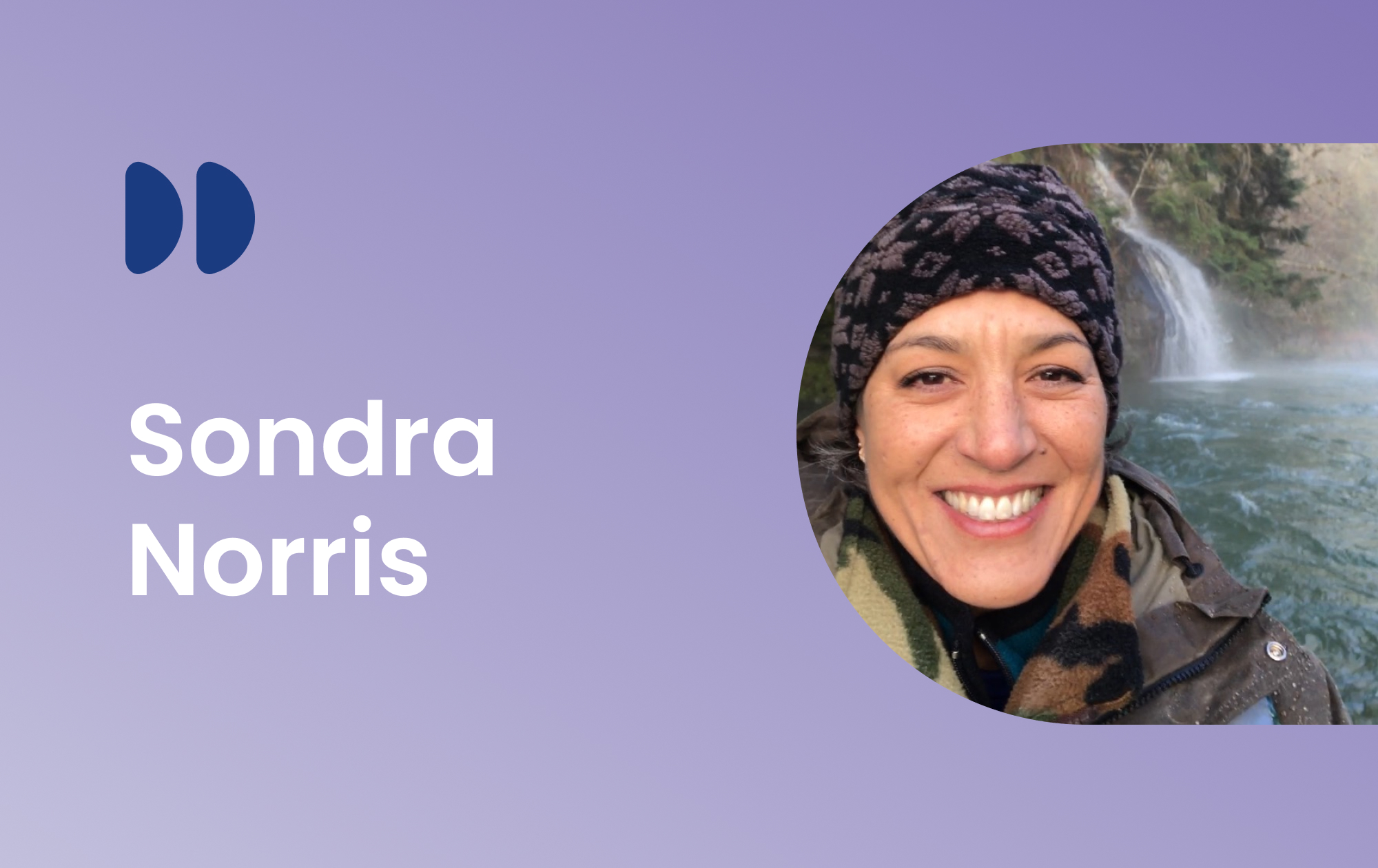
Exploring Authenticity with Sondra Norris

At the recent Joyful Masterclass for Connection Professionals hosted by Covve and the Connection Crew, a spotlight shined on Sondra Norris, a seasoned culture consultant, coach, and researcher. With over three decades of experience working with industry giants like Electronic Arts, Microsoft, and Estée Lauder, Sondra has dedicated her career to transforming workplace dynamics through trust and empathy. 

She believes that authentic leadership begins with self-awareness, and her work aims to foster environments where individuals can connect meaningfully and perform at their best.

During the workshop, Sondra led participants through an engaging exercise titled Breaking and Reconstructing Your Belief System. This activity encouraged attendees to dive deep into their own limiting beliefs—the internal narratives that often hold them back from personal and professional growth. With her calm demeanor and insightful prompts, Sondra guided the group on a journey of reflection and transformation.

Breaking the Status Quo

The activity began with Sondra creating a serene and reflective environment. She emphasized the importance of slowing down and allowing oneself to think beyond surface-level limitations. “We all carry beliefs that influence our decisions, relationships, and successes,” she shared. “But how often do we pause to question them?”

Here’s a step-by-step breakdown of the exercise that you can try at home:

  1. Set the Stage for Reflection
    Start by finding a quiet space where you can sit comfortably. Close your eyes and take a deep breath. Imagine yourself in a place that brings you peace—a beach at sunset, a quiet forest, or even your favorite room at home. Feel the calmness wash over you.
  2. Ask the Key Question
    Once you’re settled, reflect on this question:
    “Which belief am I choosing to hold onto that is preventing me from getting the result I want?”
    Take your time to let the question resonate. What comes to mind? Write down the first thoughts or feelings that surface.
  3. Pair and Share
    If you’re doing this exercise with someone else, take turns sharing your reflections. The key is to listen without judgment. Sondra stressed the importance of “holding space”—being present and supportive without offering solutions or advice. This allows the speaker to fully explore their belief without fear of being corrected or misunderstood.
  4. Express Gratitude
    After each person has shared, acknowledge the courage it took to open up. Offer a simple “Thank you” for their vulnerability and honesty. Even if you’re doing this solo, take a moment to thank yourself for the introspection.
  5. Reframe or Release
    Now, consider how you can reframe this belief. Could you see it from a different perspective? What would happen if you chose to let it go entirely? Imagine how that shift could change your approach to the goals or relationships it’s been affecting.

Building Bridges, Not Walls

Sondra’s session at the Joyful Masterclass for Connection Professionals was a powerful reminder that true connection, whether in the workplace or in personal life, starts with understanding the stories we tell ourselves. By breaking down these stories and reconstructing them with intention, we create room for growth, empathy, and genuine relationships.

“Too often, we look outward for change,” Sondra noted, “when the real transformation starts inside.”

If you’d like to try this activity at home, grab a journal, find a quiet spot, and take a deep dive into the beliefs that shape your world. Who knows what might emerge when you let go of what’s holding you back?

With leaders like Sondra guiding these reflective exercises, our Masterclasses here at Covve continue to leave a lasting impact—one belief at a time.

Continue reading…

Why People Don’t Trust You

Your relationships need you to hold yourself accountable

We’ve all been there. You meet someone, hit it off, and then… silence. Days turn into weeks, and before you know it, you’ve missed their birthday or completely forgot about a catch-up coffee you planned. It happens more often than we like to admit, and yet, we wonder why some of our relationships feel distant or disconnected.

It’s about thoughtfulness—how much care you’re putting into maintaining your connections. If people don’t trust you, it’s usually because they don’t feel like they’re seen or valued. The truth? Relationships need more than sporadic attention. They need consistent thoughtfulness, and that means holding yourself accountable.

Accountability and Connection

We love to talk about how relationships are built on trust, but how many of us actually practice it? Trust doesn’t grow on the occasional text or obligatory LinkedIn check-in. Trust comes from showing up, remembering details, and keeping promises. Sometimes things come up and cause us to cancel last minute commitments and we promise to make it up to them. It’s important to follow through with all of the above to gain trust.

Covve’s personal CRM (pCRM) steps in here to help make sure the people in your life feel like a priority. Whether it’s a nudge to reconnect with an old friend or a reminder of your coworker’s big meeting next week, the pCRM keeps your attention where it matters. It’s not about being perfect—it’s about being present.

Why Thoughtfulness Matters

Think about your best relationships. Chances are, they didn’t grow just because you shared the same workspace or had a few good conversations. They grew because there was care, and that care was shown consistently. Thoughtfulness means more than remembering birthdays or responding to texts within five minutes. It’s about making an effort to keep up with what’s going on in someone else’s life, even when they’re not right in front of you.

Covve’s pCRM acts like your personal reminder that thoughtfulness is a habit, not a one-time gesture. With a tool like this, it becomes easy to act intentionally and at the right time. Whether it’s catching up after that long-overdue lunch or keeping track of your friend’s new hobby, you show them that they’re important to you.

The Trust Gap

So, why don’t people trust you? It’s not because you’re unreliable on purpose. The reality is we often get caught up in our own lives and lose track of the people who matter. Trust isn’t lost in big, dramatic moments. It’s chipped away by the little, unnoticed absences.

Building habits of connection takes time, but the payback is solid, lasting trust. Covve’s pCRM can help close that gap. It reminds you that trust needs maintenance. It can be the small tap on your shoulder when you’ve let things slide for too long.

Start small. You don’t need to become a relationship guru overnight. But if you want people to trust you, you need to show that you’re thinking about them—regularly. It’s about consistency over perfection.

With a pCRM, you don’t have to feel overwhelmed. It takes the guesswork out of managing your relationships. You’ll never have to wonder if it’s been too long since you last spoke or worry about missing out on important life events. You’ll be proactive, and that’s where the magic happens.

Ready to Be More Thoughtful?

Accountability isn’t about guilt-tripping yourself or feeling bad for what you haven’t done. It’s about owning up and deciding to do better. Covve’s pCRM makes sure you’re on track, and that the people in your life feel appreciated. Thoughtfulness is a skill—one that’s built through action, not intention.

The next time someone doesn’t trust you, reflect on whether you’ve really been there for them. And if you haven’t, there’s no better time to start changing that. Thoughtfulness, with a little help from Covve, can help you hold yourself accountable and build the trust you’re missing.

Give Covve a try for free. If you’re not quite ready, subscribe to The Networker, our bi-weekly newsletter, to stay up to date on connection insights and tips.

Continue reading…

Sparking Gratitude with Devin Keane

The Joyful Masterclass for Connection Professionals brought together a unique mix of people passionate about making the world a little more connected. Among the standout voices at the event was Devin Keane, the co-founder and COO of Gratitude Plus, a social app that’s helping people cultivate meaningful relationships through daily moments of appreciation. Devin’s mission is simple: reduce loneliness and build connections that last.

But what sets Devin apart is his hands-on approach. In addition to leading the Gratitude Plus team, he writes the popular “Build Better” newsletter, filled with practical tips on deepening connections in both personal and professional settings. 

And when he’s not sharing his insights through the app or his writing, you might find him on the soccer field, organizing casual games for tech professionals to bond over the beautiful game. For Devin, connection isn’t a grand gesture—it’s a series of small, joyful moments.

Sharing Small Moments of Joy

At the workshop, Devin took participants on a heartwarming journey with his activity, Growing Gratitude: Sharing Small Moments of Joy. The goal was to show just how powerful it can be to take a step back, reflect, and share what we’re grateful for with the people in our lives. It was a simple exercise, but the impact was palpable.

Here’s how it went down and how you can try it at home:

  1. Start with a Moment of Reflection
    Devin asked everyone to take a deep breath and think of a recent moment that made them feel happy, excited, or just grateful. “It doesn’t have to be anything huge,” he explained. “Think of the small things. Maybe it was a coffee break with a colleague, or a quick phone call with a friend. It’s these tiny, positive interactions that shape our lives.”
  2. Pair Up and Share
    Once participants had their moments in mind, they paired up and took turns sharing their experiences. Each person had one minute to describe the moment and the person they shared it with. It was incredible to see how quickly the energy in the room shifted as people spoke. Smiles grew wider, shoulders relaxed, and laughter filled the space.
  3. Reflect and Mirror Back
    The listener’s role was just as important. After each story, they took a minute to reflect on what they noticed. Was there a change in the speaker’s voice? Did their expression light up when describing the moment? This mirroring exercise helped both partners appreciate how much joy these small experiences truly brought.
  4. Send a Note of Gratitude
    To wrap up the exercise, Devin encouraged everyone to take out their phones and send a quick text or voice note to the person they mentioned, letting them know how much that shared moment meant. It was a simple action, but it created an immediate ripple of positivity. “It’s like planting a seed,” Devin said. “The more we share gratitude, the more it grows.”

Turning Small Moments into Big Changes

Devin’s activity left a lasting impression on everyone who participated. It wasn’t just about saying “thank you.” It was about truly noticing and appreciating the everyday interactions that often go unnoticed. For Devin, these are the building blocks of stronger relationships.

“I believe connection is built one small moment at a time,” Devin shared during the workshop. “By sharing those moments, we make the connection stronger and more resilient.”

If you want to give this activity a try, think of someone who made you smile recently and let them know. Send a text, make a call, or even write them a note. You might be surprised at how such a simple gesture can make a big difference.

The Joyful Masterclass for Connection Professionals proved once again that cultivating meaningful relationships doesn’t have to be complicated. With leaders like Devin showing us the way, building a more connected world feels not only possible but also joyful.

Continue reading…

The Missed Opportunity Trap

Keeping track of every lead at events

Events like trade shows can be chaotic. You step into the venue, badge in hand, surrounded by bustling booths and enthusiastic conversations. Your main objective? To collect as many quality leads as possible and secure potential business for your company. But, are you truly prepared to make the most of every interaction? Or do you find yourself grappling with a pile of crumpled business cards and half-remembered names once you leave?

If that sounds familiar, you’re not alone. The typical trade show experience often feels like a marathon of networking with little follow-up. We go in, talk to dozens of people on behalf of our teams, only to lose track of who we met and what we discussed. The end result? Missed opportunities that could have turned into long-lasting partnerships for your company.

The Challenges of Trade Show Networking

The reality is that even the best of us can get lost in the shuffle. Attending a trade show can be a big investment—not just in terms of ticket or sponsorship fees, but also in resources, time, and energy. Every conversation, every handshake, is a potential lead. But when things move fast, how do you ensure you’re keeping up?

It’s easy to get overwhelmed:

  • Fumbling for Cards: You collect business cards, but once the event is over, you can’t quite remember who belongs to which card. Even worse, it’s your responsibility to report back to your team and share those leads.
  • Juggling Conversations: You have five chats lined up back-to-back, and only a few minutes with each person. How do you keep track of everyone and remember your company’s priorities?
  • Losing Leads in the Follow-up: You return to the office, only to realize that half of the cards have gone missing, and the notes you took no longer make sense. Now, following up with potential leads feels like piecing together a jigsaw puzzle.

The hard truth is that these lapses are not just inconveniences—they’re lost opportunities. Every lead that slips through the cracks is a missed relationship that could have driven business forward. And at a trade show, where everyone is looking to connect, that’s a big loss not just for you, but for your entire company.

Streamlining the Chaos with Covve

The good news is that there’s a way to avoid this pitfall entirely. It’s all about having the right tools to support your networking game—tools that can empower your team to capture every lead with just a snap and ensure nothing gets lost in the shuffle.

This is where Covve steps in to streamline your company’s relationship-building process. With Covve Business Card Scanner, you can forget about manual data entry, errors, wasted time, and lost leads. Whether you’re a sales professional at a booth or attending the event as a team, 

Covve helps you capture leads efficiently and effectively:

  • Fast, Accurate Scanning: Covve’s AI-powered card scanner digitizes business cards with 96% accuracy in just 2 seconds. That means you and your team can capture lead details on the go without slowing down conversations or losing time.
  • Mobile Accessibility: Store all your contacts safely on your phone and access them anytime. You’ll never lose a single card, and your leads will always be with you, right in your pocket or shared with your entire team.
  • Smart Organization: Group your contacts based on the event where you met or categorize them according to the type of conversation. Covve also allows you to add notes for each interaction, so your follow-up is personal and relevant.
  • Privacy and Professionalism: Covve Business Card Scanner is made in Europe and fully GDPR-compliant, so you never have to worry about privacy issues. You can integrate with Salesforce or any other platform using Zapier, making sure you and your team have access to new leads for timely follow-ups.

With Covve by your side, the days of scrambling through business cards and losing valuable leads are over. Every connection is stored, categorized, and ready for you or your team to follow up with confidence.

Your Networking Advantage

With a lead management tool that complements your event strategy, your company will be better prepared to maximize every opportunity. No more stressing over stacks of business cards or losing track of critical contacts. Instead, you’ll leave every event with an organized database of leads—categorized, annotated, and shared across your team, ready for follow-up.

So, before your next trade show or industry gathering, ask yourself: Are you prepared to capture every opportunity? With Covve Business Card Scanner, your company can ensure that no lead goes unnoticed, and every connection made has a fighting chance to grow into something more, maximizing your company’s revenue growth potential.

Because, at the end of the day, the best way to avoid the missed opportunity trap is to make sure you and your team are equipped to handle every single one—efficiently and effectively.

Ready to capture more leads and maximize revenue? Get in touch at [email protected].

Continue reading…

Are You Selling Yourself Short?

Sell more with the right connections

You’ve got a killer sales strategy, but here’s the thing—no matter how solid it is, if it’s not reaching the right people, it’s like casting a net in a dry lake. Zero bites. Why? Because the key to effective sales isn’t just about having a polished pitch or a savvy closing technique. It’s about knowing who you’re pitching to.

So, who are the “right” people? Spoiler alert: it’s not as simple as “someone who wants to buy.” It’s more nuanced than that. The right people are those you have a real, meaningful connection with. The ones who see you as more than just a salesperson. They see you as a partner, a resource, and a trustworthy voice in your industry.

And that’s where relationship-building comes in. This part of the puzzle can seem a bit overwhelming at first, but it’s a matter of habit, making it easier and worthwhile in the long run.

To help you on your journey of creating more value for yourself and others, incorporate these five elements in your relationship building efforts, and have a look at how Covve can help you.

1. Start Conversations, Not Sales Pitches

Everyone’s busy—no one wants to be sold to. But people love to talk. They want to share their pain points, swap stories, and get to know the person behind the company. So forget the elevator pitch and start with a genuine conversation. Build rapport by learning what makes them tick. What are their goals? What are they struggling with? This creates a foundation of trust before you even bring up what you’re offering.

Covve makes it easy to track these details. With its personal CRM, you can keep tabs on those little nuggets of information—like someone’s recent promotion or their interest in sustainability—that will set you apart as someone who actually listens.

2. Break Down Barriers, One Introduction at a Time

Networking events can feel like speed dating. But instead of focusing on how many business cards you can collect, focus on how many real connections you can make. Be the one who introduces people to each other. When you’re the connector, you become invaluable. People see you as someone who adds value before even making a sale.

With Covve, you’ll know who’s already in your network that might be the perfect matchmaker for a new connection. Imagine introducing someone you met last week to someone you met a year ago because you remembered a shared interest or business challenge. That’s the magic of making networking about people, not transactions.

3. Get Deep, Not Wide

It’s tempting to go broad with your sales outreach—after all, more calls or emails mean more opportunities, right? But there’s a trade-off. When you spread yourself too thin, your connections become shallow, and people notice. Instead, focus on cultivating deeper relationships with fewer prospects. Get to know your contacts on a more personal level. Learn about their challenges and provide value—even if it doesn’t directly benefit your bottom line.

Covve helps you keep track of these interactions, ensuring that no detail gets lost in the shuffle. With its ability to log calls and notes, you’ll have everything you need at your fingertips, so when you do reach out, it’s with personalized, relevant touchpoints.

4. Leverage Your Existing Network

Sometimes the right people are already within your circle—you just haven’t made the connection yet. Look at your existing contacts. Have you stayed in touch? Are you nurturing those relationships? Warm leads—those who already know and trust you—are gold mines.

Reaching out with a friendly update or congratulations on their recent achievement keeps you top of mind. They may not need your product today, but they’ll think of you first when they do.

Covve’s smart reminders ensure you never miss an opportunity to reconnect and strengthen these ties. And with the personalized news feed, you’ll always have an easy way to break the ice by sharing a relevant article or congratulating them on a newsworthy milestone.

5. Listen and Learn

The best salespeople aren’t always talking—they’re listening. Get curious about your contacts. Ask thoughtful questions. Dig into the “why” behind their needs. What’s driving their interest? What problems are they looking to solve? When people feel heard, they’re more likely to trust and respect you.

Covve’s insights and contact management help you stay organized, so you’re never scrambling to remember who said what. The more you know about your network, the better positioned you are to offer solutions that actually matter. Just as Mo Bunnell, business development expert stated, “a great deal may make your year, but a great relationship can make your entire career.”

Whether it’s a reminder to reach out or a tailored news update that gives you an easy way to start a conversation, Covve makes it simple to stay engaged. So stop selling yourself short. Focus on the people first. Because when you know who you’re selling to, selling gets a whole lot easier.

Give Covve a try for free. If you’re not quite ready, subscribe to The Networker, our bi-weekly newsletter, to stay up to date on connection insights and tips.

Continue reading…

Diving Deeper into Conversations with Steven Michael Crane

At the recent Connection Crew Masterclass with Covve, participants came together for a truly memorable experience focused on breaking down the barriers that often keep us from forming genuine, meaningful connections.

The workshop featured three insightful panelists, each leading an activity designed to help attendees forge stronger relationships. Among them was Steven Michael Crane, a researcher from Stanford University and the founder of Synaptic Insights Consulting. Steven brought a unique perspective to the Masterclass, emphasizing the importance of diving deeper into conversations to foster real connection.

Steven kicked off his segment by introducing the concept of “Misperceived Risk and Unexpected Reward.” He explained how most of us tend to overestimate the awkwardness or risk involved in engaging in deeper conversations with others. This fear often leads us to stick to superficial small talk, and as a result, we miss out on the profound joy and unexpected rewards that can come from truly opening up. The core message was simple: our perception of social risk often prevents us from experiencing the genuine connections that we crave.

To bring his concept to life, Steven introduced an activity that challenged participants to push past their comfort zones and engage in meaningful dialogues. He first paired up with another panelist to demonstrate how the exercise worked, showing that the process could be both fun and insightful.

At this point, he encouraged all of us in the room to try it out ourselves with a partner. This hands-on approach allowed participants to directly experience the shift from superficial interaction to deeper conversation.

Try Steven’s Exercise at Home

  1. Find a Partner: Choose someone you’re comfortable with but also curious to learn more about. This could be a friend, family member, or even a colleague you’d like to connect with more deeply.
  2. Start with a Meaningful Prompt: “If you really knew me, you would know…” This is your opportunity to share something meaningful—something that goes beyond everyday surface-level chat. Consider sharing a passion you have, a personal challenge you’ve faced, a unique habit, or a core value that defines you.
  3. Take Turns Sharing: Each person gets two minutes to speak without interruption. The key is to be open, honest, and detailed. Don’t be afraid to be vulnerable. Talk about what excites you, what you find challenging, what makes you tick, or even something quirky that most people wouldn’t know about you.
  4. Listen Actively and Affirm: After one person has shared, the listener takes 30 seconds to reflect back something positive or meaningful they noticed during the sharing. This could be a simple “thank you for sharing” or a more specific comment like, “I admire your courage in speaking so openly.” The aim is to show that you’re truly listening and valuing what the other person has said.
  5. Switch and Repeat: After affirming, swap roles and repeat the exercise. This ensures that both participants have a chance to share and listen, fostering mutual understanding and empathy.

Steven’s activity highlighted a crucial point: the risk of deeper conversations often isn’t as significant as we imagine, and the rewards can be far greater than expected. The exercise demonstrated that when we push past the initial awkwardness, we can discover new layers in our relationships and build a foundation of trust and understanding.

If you’re looking to deepen your connections at home, try this exercise with someone you care about. You might find that taking the risk to open up can lead to surprisingly rewarding conversations, strengthening your relationships in ways you never imagined. Whether it’s with a friend, a partner, or even someone you’d like to know better, diving into deeper dialogue can help you form the kind of connections that truly matter.

Continue reading…

Your Event’s Best Connections, Powered by Covve

At Covve, we believe that connecting people should be effortless and fun. That’s exactly what we delivered at CultureCon 2024—not just networking, but laying the groundwork for lasting relationships. Our tech didn’t just make connections easy; it made them powerful. By the end of the event, every attendee had meaningful relationships in their pocket.

Smooth, Simple, Game-Changing

Let’s face it—traditional networking can feel like a hassle. You meet people, exchange details, and somehow lose track of it all afterward. Covve changed that at CultureCon. With digital badges, we provided an eco-friendly, seamless way to exchange contact info without the need for business cards. The integration with the Covve app meant all the important details were stored right away—no more forgetting who you met. It wasn’t just contact exchange; it was the start of new relationships, opening the door for future business opportunities.

Attendees could easily follow up with everyone they met after the event, knowing exactly who they connected with and what was discussed. And on top of that, the ability to quantify all the connections happening during the event added a whole new layer of insight and visibility. This was relationship-building made tangible and measurable, making every connection count.

Live Dashboards to Watch Your Impact Grow

One of the standout features we introduced was live connection tracking. Attendees got to see their connections pop up in real-time on the big screen. The room was buzzing with energy as people actively forged new bonds that grew throughout the day.

The ability to see and quantify these connections offered a clear view of the engagement happening across the event. It was exciting, it was visible, and it was a game-changer. Attendees left not only knowing who they met but also with the confidence that these relationships would last well beyond the conference.

Human Connections Done Right

Of course, great tech is only half the story—you need that personal touch to make connections truly meaningful. That’s where our community of experts, the Connection Crew, stepped in at CultureCon. They didn’t just help facilitate conversations—they made sure every interaction was impactful. Whether sparking conversations or breaking the ice, they created an environment where attendees formed real bonds, not just names to add to a contact list.

Covve – The Event Solution That Delivers

Say goodbye to the usual networking headaches. Covve transforms events into dynamic, exciting spaces where real connections are made. At CultureCon 2024, we helped attendees go beyond the standard business card swap—they built relationships that will continue to grow long after the event. Covve’s solution isn’t just a tool; it’s a game-changer.

Looking to make your next conference or event stand out? Get in touch at [email protected].

Continue reading…

2 Steps Back, Go 1 Step Forward

Using Your Network to Accelerate Your Growth

Feeling stuck in your career? Maybe you’ve hit a plateau. You’re grinding day in and day out, but the spark seems to be missing. What if the answer isn’t in pushing forward harder but rather in stepping back? Introducing the “2 Steps Back, 1 Step Forward” approach—a simple yet powerful strategy to jumpstart your career by reconnecting with the past.

Why Stepping Back is Essential

The concept of “2 Steps Back” is about reflecting on the people who once mattered in your professional journey. Think about it: at various stages of your career, there were individuals who influenced your growth, offered guidance, or opened doors. Over time, as life and work pulled you in different directions, these relationships might have faded. But just because you lost touch doesn’t mean they’ve lost their value.

Rekindling these connections isn’t about nostalgia. It’s about recognizing that relationships are dynamic, and the people who were valuable to you once can still be valuable today. And guess what? You can be valuable to them, too.

Who Should You Reconnect With?

Not everyone in your past is a priority to reconnect within this context. Be strategic. Here’s who you should consider:

  1. Former Mentors: Who helped you navigate tricky situations? These people may still carry wisdom you can tap into.
  2. Old Colleagues: Who did you work well with in the past? They might now be in positions of influence or have valuable insights.
  3. Past Clients or Customers: If you’ve moved on from a client-facing role, those clients are now potential leads for your current position.
  4. Influential Acquaintances: Remember that insightful chat at a conference years ago? They could still be a powerful contact.

How to Reach Out Without Being Awkward

It’s easy to feel hesitant about rekindling old relationships. But remember, most people enjoy hearing from someone who genuinely values them. Here’s how to make that reconnection less daunting and more effective:

  1. Be Honest and Specific: Start by acknowledging the time that’s passed. “I’ve been thinking about our project at [Company Name], and I realize how much I learned from working with you.” Specificity shows you’ve given thought to the connection, making your message feel less generic.
  2. Offer Value: Don’t make it all about you. Can you share an interesting article, a relevant piece of news, or an industry update that might interest them? Show that you’re not just asking for help, but also offering something in return.
  3. Ask for Advice, Not a Job: People love to share their wisdom. If you’re looking for career insights, ask for advice rather than a direct job lead. Ending the conversation with “who else do you think I should reach out to?” is a great way to meet the right people.
  4. Be Grateful: A simple “Thank you for taking the time” goes a long way. It shows you respect their time and input.

To ensure these efforts don’t go to waste and to help maintain these relationships over time, using a personal CRM like Covve can be a game-changer. It can help you stay organized, track your interactions, and ensure you’re nurturing these connections consistently.

Leveraging the Reconnection for Growth

Once you’ve rekindled these relationships, maintaining and nurturing them becomes essential to unlocking their full potential. This is where a personal CRM, like Covve, can be invaluable in your career strategy. A personal CRM helps you systematically manage your contacts, track interactions, and ensure you’re regularly following up with the key people in your professional network.

Covve offers several key features:

  • Reminders to Reach Out: Set reminders so you don’t forget to stay in touch.
  • Notes: Keep track of important details from your discussions.
  • Reconnection Insights: Get prompts on when it’s a good time to reconnect.

You can easily spot opportunities for collaboration—whether it’s a project, a referral, or exchanging valuable information. The app’s timely prompts keep you top of mind with your contacts, allowing new opportunities to emerge naturally from consistent interactions.

Rekindling old relationships often brings fresh energy into your professional life. These connections can offer new perspectives, lead to unexpected opportunities, and, most importantly, reignite your passion for what you do. Remember, growth doesn’t always come from forging ahead; sometimes, the best way forward is by revisiting where you’ve already been.

Take the time today to reach out to someone from your past. That one message could be the key to unlocking your next big opportunity.

Give Covve a try for free. If you’re not quite ready, subscribe to The Networker, our bi-weekly newsletter, to stay up to date on connection insights and tips.

Continue reading…

September’s Connection Crew Masterclass Recap – Building Real Relationships

Covve’s relationship building Masterclasses with the Connection Crew offer an inspiring journey into the heart of what it means to build genuine human connections. Forget the small talk and awkward silences—this workshop dove deep into creating real meaning in our relationships and offered practical ways to tackle loneliness by forming lasting bonds.

For this event, we were honored to host Allison Gilbert as a special guest who co-authored “The Joy of Connections” with the renowned Dr. Ruth. Allison shared personal anecdotes about working with Dr. Ruth, who has spent a lifetime teaching people the importance of intimacy and human connection.

Dr. Ruth’s wisdom has helped countless individuals forge deeper, more meaningful relationships by understanding the power of empathy, openness, and genuine communication. This introduction set a warm, inclusive tone for the rest of the workshop, framing it as a space for authenticity, growth, and connection.

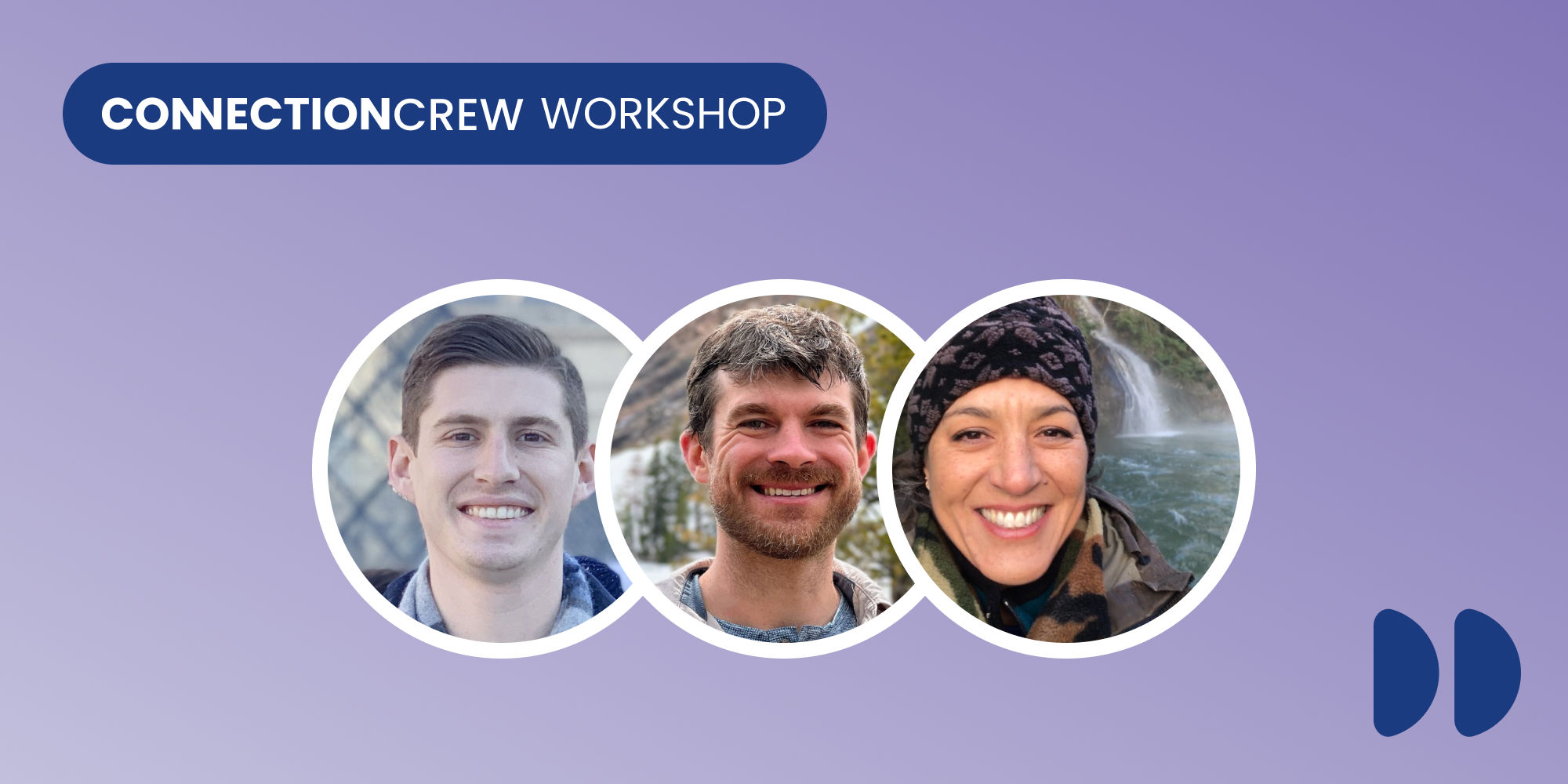
Taking the connection workshop to the next level, we were introduced to three dynamic panelists, each offering their unique insights on building relationships. They didn’t lecture—they engaged us in hands-on activities designed to connect us with others in the room and provide take-home tools for fostering deeper connections in our own lives.

Here’s a closer look at the panelists and what they brought to the session:

  • Steven Michael Crane, a researcher from Stanford University and founder of Synaptic Insights Consulting, focused on challenging the preconceived notions that often keep us from forming meaningful connections. His activity, “Misperceived Risk and Unexpected Reward,” encouraged us to step outside our comfort zones and engage in deeper conversations. Steven emphasized that we often overestimate the awkwardness and underestimate the benefits of having deeper dialogues with others. The activity helped participants move past initial hesitations and discover the unexpected rewards of opening up to someone new.
  • Devin Keane, COO of Gratitude Plus, led a practical exercise around the power of gratitude. He shared how acknowledging small moments of joy and expressing gratitude can significantly transform our relationships. Devin’s activity was all about cultivating a habit of gratitude that doesn’t require grand gestures—just recognizing the little things that make us smile every day. He demonstrated how sharing these moments with others can strengthen bonds and build a supportive community around us.
  • Sondra Norris, a culture consultant and coach, guided us through an introspective exercise on self-exploration. Her focus was on breaking down limiting beliefs that often hold us back from connecting authentically with others. Sondra’s session encouraged us to confront these beliefs, understand where they come from, and find ways to let them go. By doing so, we can approach relationships with a more open and genuine mindset, ultimately fostering more profound and meaningful connections.

After sharing their perspectives and personal stories, each panelist paired up with another to demonstrate their activities. The room was filled with curiosity and anticipation as participants paired up and jumped into the exercises, creating an atmosphere buzzing with conversation, laughter, and new connections.

If you missed the workshop, don’t worry! You can easily try these activities at home to enhance your connections and build deeper relationships. Keep reading to learn more about each panelist’s activity and how you can practice them yourself.

Continue reading…