The Value of Networking in Sales
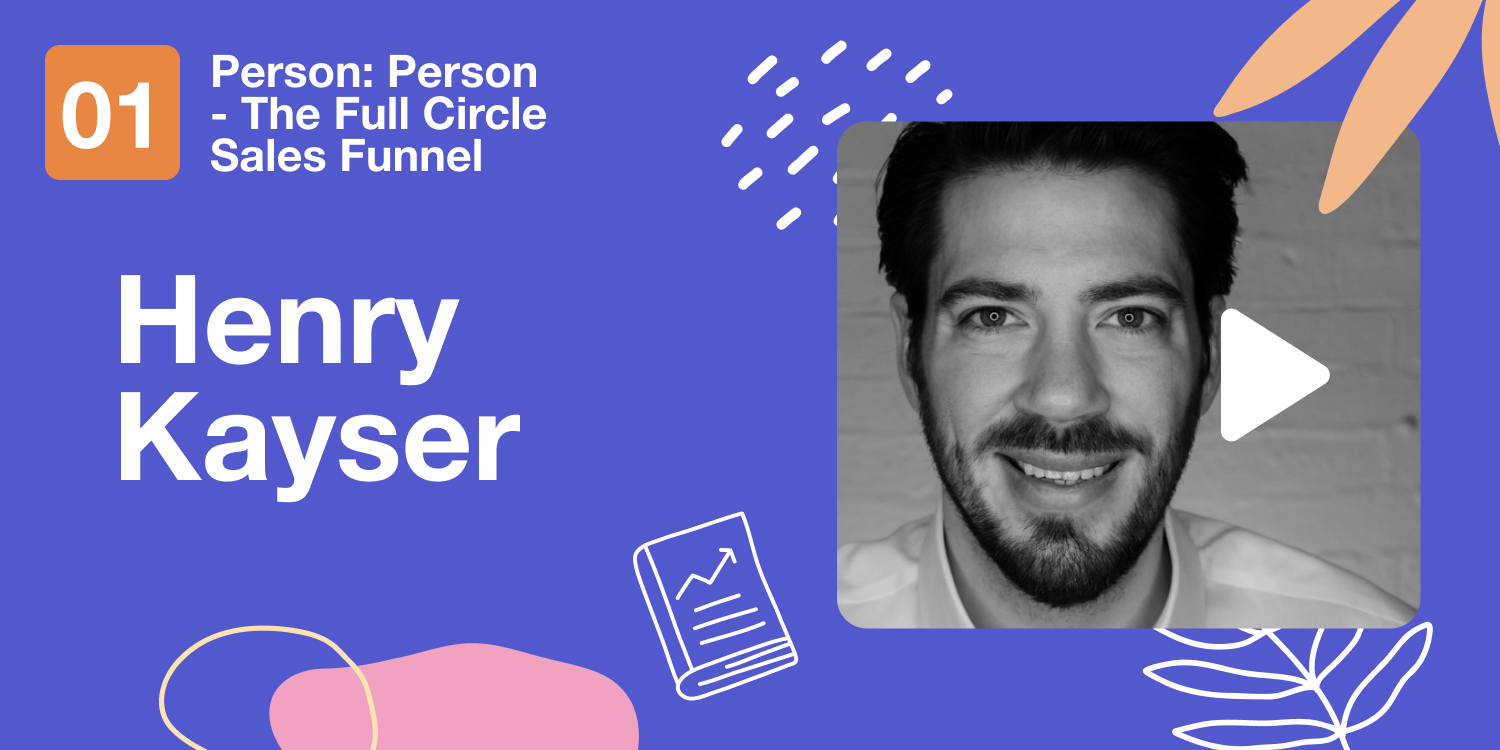
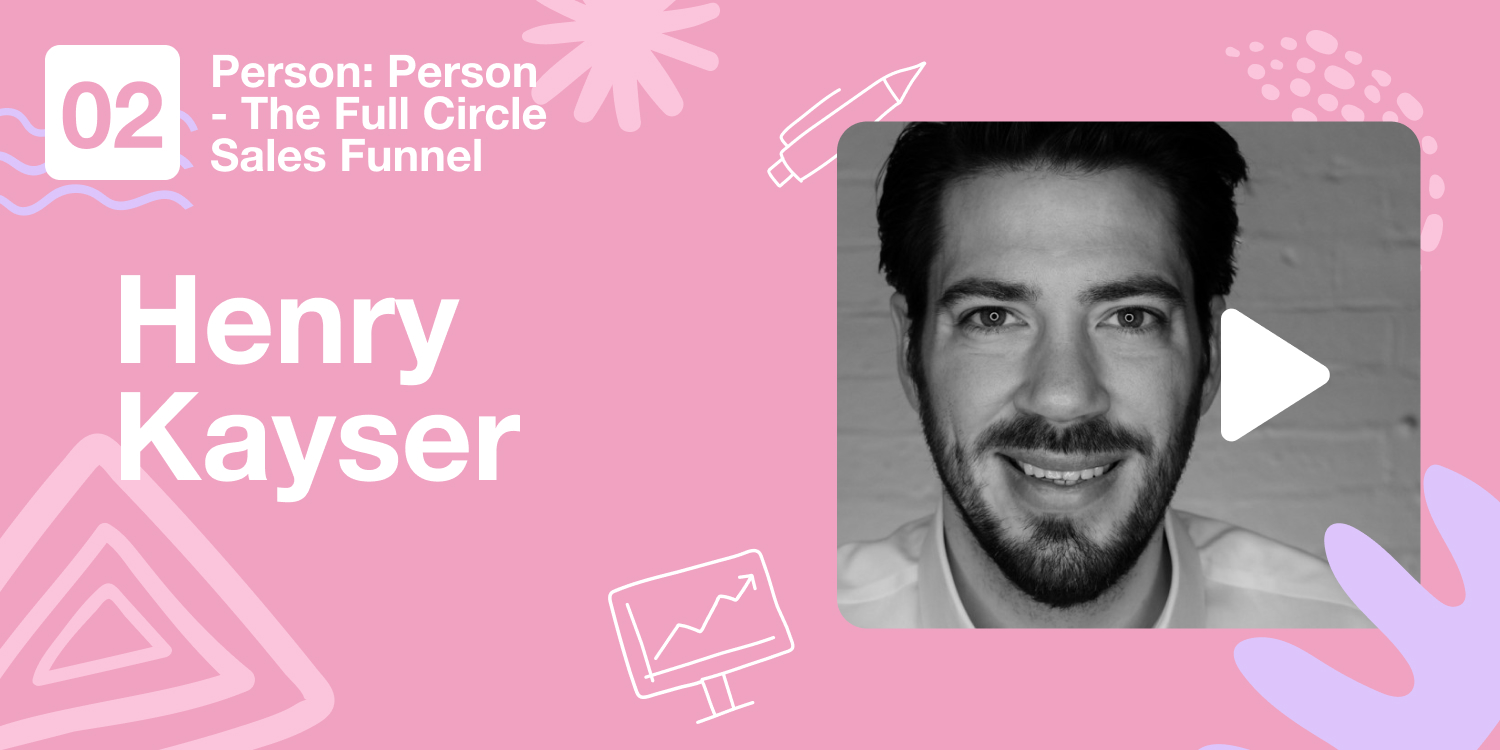
Henry Kayser, a seasoned sales professional and host of the “Modern Sales Wisdom” podcast, explores the concept of social capital and its significance for sales professionals. Henry emphasizes that networking and building meaningful relationships are vital for long-term career success. 

He likens the value of networking to compound interest, where the benefits grow exponentially over time. This episode focuses on understanding and leveraging social capital to enhance professional relationships and drive business growth.

Social Capital Creates Financial Capital

Social capital, defined as the benefits derived from one’s network, including trust, cooperation, and referrals are categorized into two main types – bonding social capital, or strong ties within close-knit groups, and bridging social capital, or connections between different social groups. Both types are essential for accessing new information, support, and opportunities that can significantly impact business development and sales.

While it is challenging to quantify, Henry stresses its importance alongside financial and human capital. He explains that strong regional or industry connections can provide unique opportunities for business expansion and project acquisition, which are invaluable in the sales profession. 

Building social capital requires long-term effort and consistent engagement with your network. Henry suggests using tools like Covve to manage contacts and interactions, ensuring regular follow-ups and maintaining trust. Providing value to your network by connecting people and facilitating business opportunities can enhance your reputation as a reliable and valuable connector.

Henry also emphasizes the role of networking in helping sales professionals become recognized as industry leaders. By establishing themselves as knowledgeable and trustworthy, they can attract more opportunities and create a strong personal brand. This recognition often leads to referrals and introductions that can significantly impact a sales professional’s success. Furthermore, networking allows sales professionals to stay updated on industry trends, gain insights from peers, and access resources that might not be available otherwise.

Key Points Raised by Henry:

  • Understanding Social Capital: It consists of the trust, cooperation, and referrals you gain from your network. It is divided into bonding social capital (strong ties within close groups) and bridging social capital (connections between different groups).
  • Financial Impact of Social Capital: This form of capital is as crucial as financial and human capital. Strong regional or industry connections can offer unique business opportunities, highlighting the importance of long-term relationship building.
  • Building and Maintaining Social Capital: Effective networking requires sustained effort. Using tools like Covve to manage contacts and follow-ups can streamline the process. Providing value to your network enhances your reputation and fosters trust.

Henry Kayser underscores that the value of networking lies in the long-term benefits it brings. By understanding and leveraging social capital, sales professionals can access new opportunities and achieve sustained success. 

Covve, with its features like a news feed tailored to the interests of your connections, helps in strategically managing your social capital. It acts as a relationship copilot, enabling you to maintain and grow your network effectively. By using the right tools, you can ensure consistent and meaningful interactions, thereby enhancing your professional relationships and driving business growth.
Continue reading…

Building Deeper Connections with Jan Keck’s Human Search Engine Activity

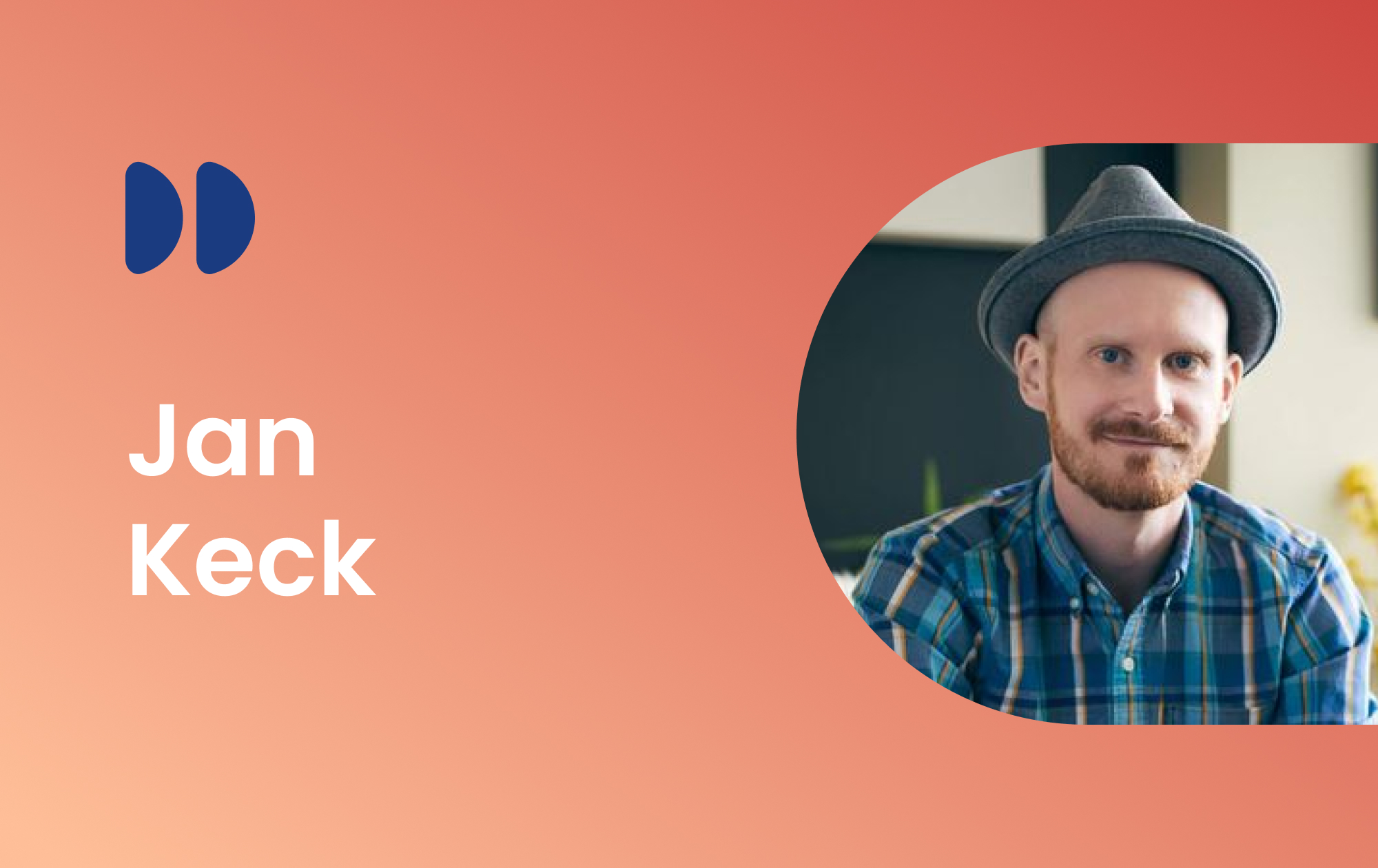
Jan Keck, an experienced facilitator and creator of the “Ice Melters” framework, is passionate about replacing small talk with deep, meaningful conversations. His innovative approach to connection has resonated with people worldwide, helping them build trust and understanding in both personal and professional settings. 

In the recent Covve Connection Crew workshop, Jan introduced “The Human Search Engine,” an engaging activity that encourages participants to explore each other’s experiences and stories through curiosity and active listening.

The Human Search Engine Activity

This activity is a fun and effective way to practice asking thoughtful questions and engaging in deeper conversations. It’s perfect for team-building exercises, social gatherings, or even one-on-one interactions, offering a unique way to connect on a more meaningful level.

Step-by-Step Guide to Practicing at Home or Work

  1. Set the Scene:
    • Create an open and welcoming environment where participants feel safe to share personal stories. If you’re in a group, ensure everyone is seated comfortably and can see each other.
  2. Introduction to the Activity:
    • Explain the purpose of the activity: to explore each other’s experiences by asking imaginative and open-ended questions.
    • Jan’s Tip: “We’re going to explore each other’s stories by being curious. This isn’t about getting the ‘right’ answer but about discovering something new about the other person.”
  3. Instructions for the Activity:
    • Pair up participants. The person who smiles first becomes the “Googler,” and the other person acts as the “Human Search Engine.”
    • The “Googler” asks a question starting with, “If I were to Google you and [insert topic], what would I find?”
    • The “Search Engine” responds with a story, memory, or insight related to the topic.
    • Encourage “double-clicking” by asking follow-up questions to delve deeper into the story.
  4. Practice in Pairs:
    • Allow each participant five minutes to be the “Googler” and five minutes to be the “Search Engine.”
    • Example Prompt: “If I were to Google you and ‘courage,’ what would I find?”
  5. Debrief and Sharing:
    • After the session, regroup and invite participants to share any surprising or meaningful discoveries they made during the activity.

Jan Keck’s work has revolutionized the way people approach conversations. By encouraging the use of deep, meaningful questions, he helps individuals and teams move beyond surface-level interactions to build genuine connections. 

His “Human Search Engine” activity is a testament to his belief that every conversation holds the potential for discovery and understanding. Through his workshops and his forthcoming book, Jan continues to inspire others to connect authentically, making a significant impact in the field of human connection.

Continue reading…

Deciding Whom to Network With as a Sales Professional

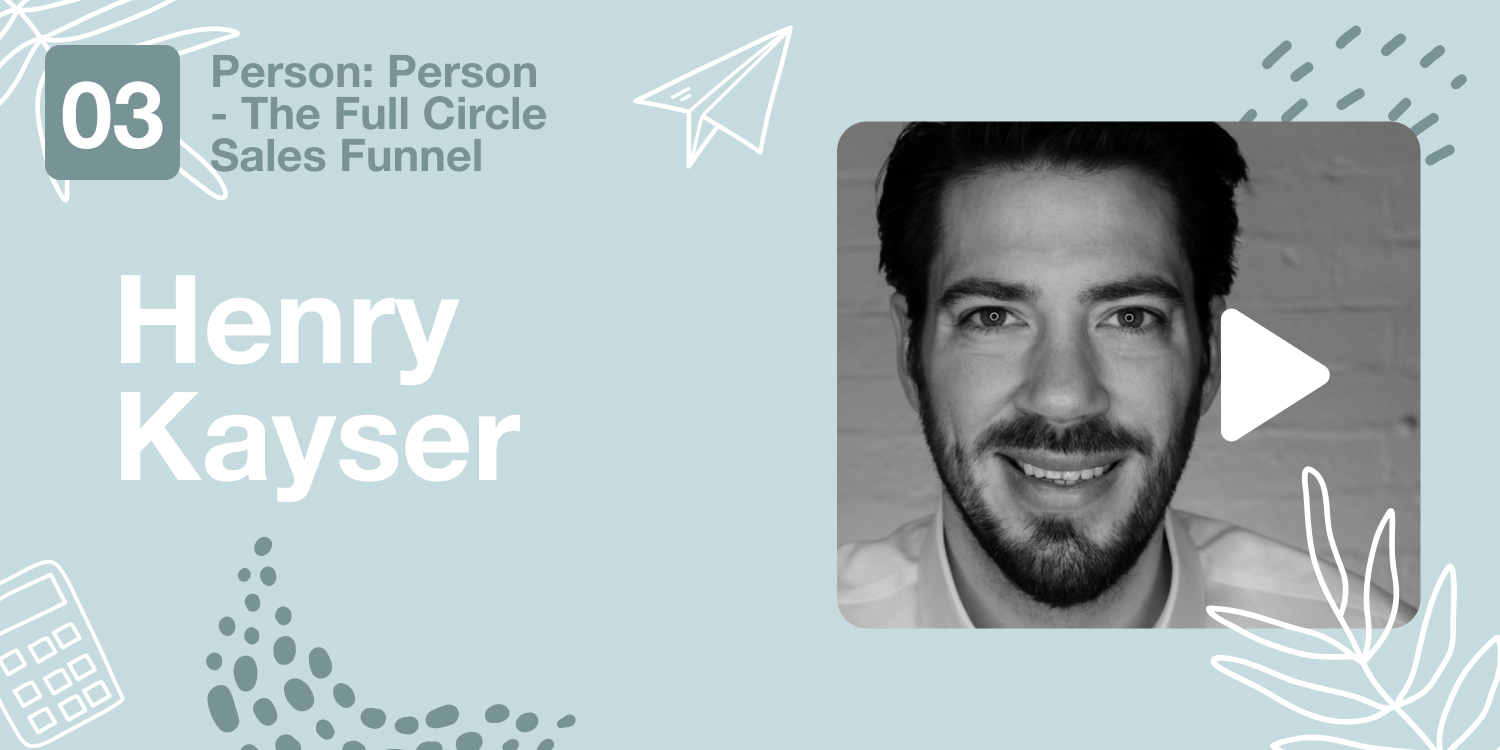
In our second episode of, “From Person:Person- The Full Circle Sales Funnel”, together with SaaS professional Henry Kayser who champions cultivating meaningful connections throughout one’s career, we delve into the art of identifying and engaging with key individuals as a sales professional. His insights provide a roadmap for effectively managing your network by balancing both active and reactive connections.

Henry opens by emphasizing the significant value of intentional networking in sales. He reiterates that our job is not just to sell but to connect people and add value to their operations through meaningful business cases. By establishing trust and showcasing how products or services can enhance business functions, we solidify our place as valuable network members.

The Cognitive Limits of Networking

A critical concept Henry introduces is Dunbar’s Number, which posits a cognitive limit to the number of meaningful relationships one can maintain—approximately 150. This number, established by Oxford University’s Professor Dunbar, highlights the importance of being selective with our networking efforts. Given our mental capacity constraints, focusing on a manageable number of connections ensures that we can maintain meaningful, trust-based relationships.

In sales, we’re constantly interacting with people, but to be effective, we need to prioritize who we actively engage with. Henry suggests creating both an active and reactive list of contacts.

Balancing Quantitative and Qualitative Networking Strategies

In this podcast, he discusses the perennial debate: whether to pursue a quantitative or qualitative networking strategy. He advocates for a balanced approach.

  • Active Network (80/20 Rule): 80% of your network should be long-term connections who share your mindset and support your journey, while 20% can be short-term contacts relevant to current projects or career moves. Regularly revisiting and calibrating this list ensures it remains relevant and effective.
  • Reactive Network: While the active network requires frequent, personal interactions, the reactive network benefits from broader visibility through social media, conferences, or other platforms. Staying visible keeps you on the radar of these contacts, potentially leading to future opportunities.

Leveraging Tools for Effective Networking

To manage these lists effectively, Henry highlights the importance of using copilots like Covve. Covve helps structure contacts and manage outreach frequency, allowing sales professionals to maintain meaningful connections efficiently. By setting reminders and organizing contacts, these tools facilitate consistent, intentional networking.

Combining a copilot like Covve with some of the key insights shared in this second installment can help you better manage your relationship-building efforts and offer you the means to design your own networking compass. Ultimately, successful networking requires a strategic approach. 

By understanding the cognitive limits of relationships, balancing quantitative and qualitative strategies, and utilizing effective tools, sales professionals can build robust networks that drive career growth and success.

Stay tuned for the next episode, where we will explore the concept of social capital in greater detail. Make sure to subscribe and hit the notification bell to stay updated on our latest insights.

Continue reading…

Meditation for Deep Self-Connection With Richard Lee-Thai

Richard Lee-Thai, Founder of Excuses to Connect and TEDx Speaker, has made it his mission to combat loneliness and foster meaningful connections. His work emphasizes the importance of social skills and self-awareness in creating a more connected world. 

During the workshop, Richard guided participants through a “Meditation for Self-Connection,” an exercise designed to help individuals connect more deeply with themselves—a crucial step in forming authentic connections with others.

The Meditation for Self-Connection Activity

We often turn to meditation seeking answers of the world around us and of ourselves. With Richard, we were guided in a meditation activity that is a simple yet powerful way to tune into your inner self, fostering clarity and emotional balance. It’s particularly useful in stressful environments, whether at work or in daily life, helping you to ground yourself and approach situations with a calm and centered mindset.

Step-by-Step Guide to Practicing at Home or Work

  1. Prepare Your Environment: Find a quiet space where you won’t be disturbed. Sit comfortably, either on a chair or on the floor, with your back straight and your hands resting on your lap. If possible, use headphones to create a more immersive experience.
  2. Introduction to Meditation: Begin by closing your eyes and taking a few deep breaths. You may remind yourself of the purpose of the meditation: to connect with your inner self and gain clarity on your emotions and thoughts. Consider the following for your reminder: “This meditation is a moment for me to check in with myself, to notice my thoughts without judgment, and to connect with what’s truly important to me.”
  3. Guided Meditation:
  • Focus on your breathing, noticing the sensation of air entering and leaving your body. As thoughts arise, acknowledge them without getting attached, and gently bring your focus back to your breath.
  • Visualize someone who has been kind to you recently. Let yourself feel the warmth of their kindness and notice how this makes you feel.
  • Ask yourself, “What emotions am I feeling right now? Where do I feel tension in my body? What thoughts keep coming back to me?”
  • Consider the question, “Is there something you’ve always wanted to hear from someone else?” Reflect on what feelings come up for you and how it feels to offer those words to yourself. This practice helps close the circle of self-connection, allowing you to heal and nurture parts of yourself that may have been overlooked.
  • Reflection: After the meditation, take a few moments to reflect on what came up for you. You might want to journal your thoughts or discuss them with a trusted colleague or friend.

Richard’s dedication to fostering connection is evident in the tools he provides to individuals and organizations. By teaching self-connection through meditation, he equips people with the skills to better understand themselves, which in turn enhances their ability to connect meaningfully with others. His work is a vital contribution to creating a world where loneliness is diminished, and true connection is celebrated.

Continue reading…

Should You Be Helping Others Grow?

Imagine standing at a crossroads, surrounded by opportunities to connect, influence, and grow. This growth, however, isn’t just about your own progress—it’s deeply intertwined with the success of those around you. Your journey is not a solitary one; rather, it’s linked to how much you nurture the growth of others. In Mo Bunnell’s new book Give to Grow, he argues that the key to personal and professional success lies in building meaningful relationships through the act of giving. By helping others grow, we indirectly fuel our own advancement.

Moving Beyond Surface-Level Connections

When we think of relationship building, we often picture crowded events, exchanging business cards, and polite small talk. But the true potency of cultivating connections lies far beyond these surface-level interactions. Mo emphasizes that genuine relationship building is about creating deep, reciprocal connections. The value of your network isn’t measured by the number of contacts you have but by the depth of those relationships. It’s about transforming a list of acquaintances into a supportive community where mutual growth is the shared goal.

In “Give to Grow”, Mo highlights the importance of recognizing and overcoming the lies we tell ourselves—such as “I can’t” or “I’m not good enough”—that hinder our ability to connect with others. Once we move past these limiting beliefs, we can focus on giving what Mo describes as the Gifts:

  • The Gift of Attention: Truly listening and being present for others, showing that you value their input and perspectives.
  • The Gift of Understanding: Taking the time to deeply understand others’ needs, challenges, and aspirations.
  • The Gift of Progress and Clarity: Helping others move forward in their endeavors by providing guidance, direction, and clear communication.
  • The Gift of Wisdom: Sharing your knowledge and insights to help others make informed decisions and avoid potential pitfalls.

The Reciprocal Nature of Growth

The relationships you nurture today can become vital pillars of support in the future. Consider this: you consistently check in with a former colleague, offering the gift of attention and sharing resources that help them advance in their career. Over time, this builds a foundation of trust and mutual respect. One day, when you need guidance in an area where they now excel, they are eager to return the favor because of the investment you’ve made in their growth.

As you help others thrive, you create an environment where your own growth is nurtured in tandem. By focusing on giving—the Gifts of understanding, clarity, progress, and wisdom—you contribute to an ecosystem where success is a collective achievement. Meaningful relationship-building ensures that growth is a shared journey, where everyone benefits.

Enhancing Relationship Building with Covve

One of the most effective ways to nurture these relationships is by using tools like a personal CRM to help manage and maintain your connections. These tools are not just about storing contacts—they’re about fostering relationships through intentional actions.

For example, Covve’s features can remind you to reach out to a contact after a period of silence, ensuring that your connections don’t fade away over time. You can also organize your contacts in ways that help you be proactive and consistent in your relationship-building efforts. Covve serves as a copilot in your journey to building and maintaining meaningful relationships.

Reflecting on Your Contribution to Others’ Growth

As you navigate your professional journey, consider how much of your time and effort is spent helping others achieve their goals. The strength of your connections is a reflection of how much you invest in them. Here are three questions to consider as you reflect on your contribution to the growth of your connections:

  1. Are you actively seeking ways to support the goals of your closest connections?
  2. Do you regularly engage with your contacts, or do you only reach out when you need something?
  3. How often do you share opportunities, resources, or insights that could help others succeed?

These questions can serve as a guide to ensure that your approach to relationship-building is both intentional and mutually beneficial. By moving past self-imposed limitations and focusing on giving the Gifts Mo describes, you create a thriving network that supports your journey as much as you support theirs.

Give Covve a try for free. If you’re not quite ready, subscribe to The Networker, our bi-weekly newsletter, to stay up to date on connection insights and tips.

Continue reading…

A Joyful Masterclass for Connection Professionals

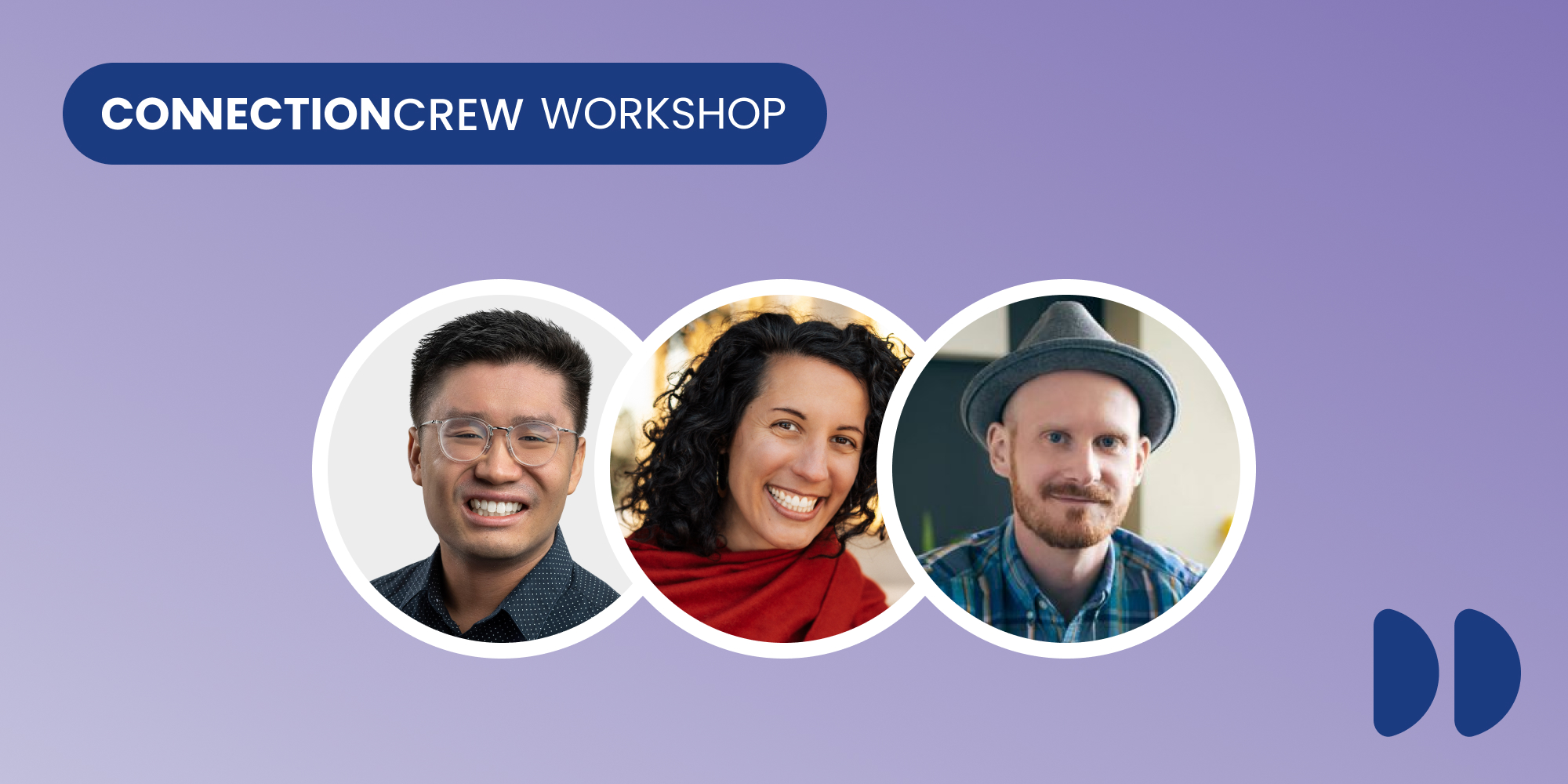
We had the privilege of hosting another transformative workshop that brought together an inspiring group of connection professionals. This masterclass was a joyful exploration of the power of human connection, led by three remarkable panelists who are pioneers in fostering meaningful relationships in their respective contexts.

The workshop kicked off with an invigorating energy as participants from diverse backgrounds joined to enhance their skills in creating, nurturing, and sustaining deep connections. It was thoughtfully structured to provide both insights and practical experiences, ensuring that attendees left with new tools and perspectives to apply in their professional and personal lives.

Setting the Stage for Transformation

The workshop was designed to be a space where participants could deeply engage, reflect, and connect with themselves and others. Covve’s Connection Crew created an environment that encouraged openness, curiosity, and shared learning. The goal was not only to discuss techniques and strategies but to experience them firsthand, making the learning both immersive and impactful.

Each panelist brought their unique expertise to the table, guiding the participants through activities that were not just educational but also deeply personal and transformative. The workshop featured three main activities, each led by a different panelist, designed to help attendees tap into their own potential for connection.

An Engaging Lineup of Activities

Richard Lee-Thai introduced participants to a “Meditation for Self-Connection.” This session was designed to help individuals connect with themselves on a deeper level, fostering clarity and self-awareness. Richard’s calming guidance through the meditation allowed participants to quiet their minds, reflect inwardly, and emerge with a stronger sense of self, which is crucial for forming genuine connections with others.

Following Richard, Tes Cohen led the session with an activity focused on crafting a “One Sentence Life Purpose.” This exercise encouraged participants to distill their core values and life goals into a single, powerful statement. By guiding the participants through reflective prompts, Tes helped them uncover what truly drives them and how they can articulate their purpose in a way that resonates deeply. This activity set the tone for the workshop, emphasizing the importance of intentionality in both personal and professional lives.

The final activity, led by Jan Keck, was “The Human Search Engine.” This interactive exercise was all about sparking meaningful conversations by asking deep, open-ended questions. Jan’s approach highlighted the value of curiosity and active listening in building trust and understanding. Participants practiced these skills in pairs, discovering new depths in each other’s stories and experiences.

A Collaborative and Reflective Experience

Throughout the workshop, the atmosphere was one of collaboration and mutual respect. Participants were not just passive recipients of information but active contributors to the learning experience. The breakout sessions allowed for intimate discussions and personalized feedback, making the activities even more enriching.

The attendees left with new practical tools for deepening connections, and a greater appreciation for the role of intentional gatherings in both personal and professional settings. Stay tuned for the next workshop and join this wonderful, growing community of aspiring and veteran connection professionals.

Continue reading…

Not Everyone Will Like You – How to Belong

You’ve probably heard the saying, “if you want everyone to like you, open an ice cream truck.” It’s funny because it’s true. But instead of considering it career advice, think of it as wisdom for making friends, whether at work or in your personal life. 

The truth is, it’s completely natural not to click with everyone. The real magic happens when you focus on deepening the relationships that matter or finding people who share your interests and values.

Finding Common Ground

Let’s start with a bit of science to back this up. Professor Robin Dunbar, an anthropologist from the University of Oxford, has studied human relationships for years. He talks about “Dunbar’s number,” which is around 150. This is the number of stable relationships most people can maintain. But it’s not just about how many people you know; it’s about how well you know them and how much you connect.

Dunbar identifies seven pillars of friendship that help strengthen these connections: speaking the same language, shared background, career trajectory, common interests, similar worldviews, musical interests, and humor. When you find common ground in these areas, you’re more likely to form lasting bonds. For example, at work, you’re naturally going to gravitate towards colleagues who share your career goals or enjoy the same jokes. This shared ground fosters trust and understanding, key ingredients for any good relationship.

Connecting Through Music

Brian Mohr, CEO and Co-founder of anthym, supports that music is a great way to connect. Music can evoke powerful memories and emotions, making it a universal language that brings people together. This ties in nicely with one of Dunbar’s pillars—musical interests.

During a relationship-building workshop, Brian shared a fun activity to help deepen connections. He asked participants two questions: “If I bought your very first car, what cassette or CD would I find in the stereo?” and “What’s a song that connects you to a special person in your life?” These questions aren’t just icebreakers; they open up conversations about personal histories and shared experiences, helping people bond over common ground.

Strengthening Bonds Through Gratitude

Once you’ve made a selection of who you want to show gratitude to, the next step is to nurture those relationships. Enter Kevin Monroe, the World’s Gratitude Coach at the Grateful App. Kevin believes that expressing gratitude is a powerful way to strengthen bonds.

In a Covve Connection Crew workshop, he introduced a simple yet effective method called TAG (Thankful, Appreciate, Grateful). The idea is to send short, heartfelt voice notes via LinkedIn. These notes might only be 60 seconds long, but they pack a punch. Regularly expressing gratitude helps turn casual acquaintances into meaningful connections, building a foundation of trust and goodwill.

Leveraging Technology to Stay Connected

Keeping track of all these relationships can be tricky, especially with our busy lives. That’s where technology comes in handy. Covve, a relationship management companion app, helps you organize your contacts, set reminders to express gratitude, and keep up with your contacts’ interests. It’s like having a personal assistant for your social life, ensuring you stay engaged and connected with the people who matter.

So, not everyone will like you, and that’s okay. Focus on building and maintaining relationships with those who share your values and interests. By finding common ground as Professor Dunbar suggests, practicing gratitude like Kevin Monroe, and using music to connect as Brian Mohr does, you can create meaningful and lasting relationships. 

Tools like Covve can help you keep these connections strong. Remember, it’s the quality of your relationships that counts, not the quantity. Embrace the connections that bring joy and fulfillment into your life.

Give Covve a try for free. If you’re not quite ready, subscribe to The Networker, our bi-weekly newsletter, to stay up to date on connection insights and tips. 

Continue reading…

How to Become a Great Networker as a Sales Professional

Welcome to our new podcast series, From Person:Person – The Full Circle Sales Funnel, together with Henry Kayser, sales leader in SaaS, we explore the ins and outs of networking the realm of sales, and how to attain mastery over this art. In our first episode, How to Become a Great Networker as a Sales Professional, Henry sheds light on the gravity of networking in sales. His insights offer a blueprint for sales professionals aiming to master their art by harnessing the potential of social capital.

We’re all familiar with the concept of “it’s who you know, not what you know”, and sales is indeed all about your connections. Networking and building meaningful relationships are paramount in sales. 

It’s the professional’s role to connect with people at a deeper level and understand what they need. Only in this way can a sales professional showcase products or services that can cater to people’s needs. He emphasizes that sales success hinges significantly on building and nurturing relationships.

Drawing parallels to compound interest, he stresses the importance of sustained effort in networking. Regular and deliberate engagement over time yields substantial returns, much like investments that grow with consistent contributions.

Henry highlights two influential principles in networking: social proof and the law of attraction. Social proof, where credibility and trustworthiness influence decision-making, enhances rapport with clients. Meanwhile, the law of attraction emphasizes positivity and intentional visualization, crucial for creating environments where client needs align seamlessly with offered solutions.

Practicality is key in implementing these principles at scale. 

He emphasizes the need for systematic approaches supported by tools like Cove. These tools aid in efficient note-taking and follow-ups, enabling professionals to maintain meaningful connections effectively.

Trust emerges as a cornerstone in Henry’s networking philosophy. By consistently delivering on commitments and showing genuine care in interactions, professionals can cultivate trust—the bedrock of enduring relationships.

Reflecting on personal practice, he integrates networking into his routine with precision. Dedicating specific time slots each week for relationship-building activities ensures continuity. It’s about planning and executing deliberate outreach to nurture my network strategically.

Key Insights From This Episode

  • Networking in Sales: Success in sales relies significantly on building and nurturing relationships, understanding client needs, and creating genuine connections.
  • Consistency is Key: He likens it to compound interest, emphasizing that continuous effort and regular interaction over time are vital for meaningful relationships.
  • The Power of Social Proof and the Law of Attraction: He underscores the impact of social proof on decision-making and how the law of attraction helps create positive environments that align client needs with offered solutions.

His insights illuminate a fundamental truth in sales: thriving relationships are central to sustainable success. By embracing these principles—social proof, the law of attraction, and unwavering consistency—sales professionals can build resilient networks that foster career growth and influence in today’s competitive landscape.

Looking forward, Henry invites further exploration into these concepts in upcoming episodes, underscoring the importance of mastering networking nuances and identifying strategic connections. As professionals navigate the complexities of their careers, his wisdom serves as a guiding beacon, offering practical strategies for achieving lasting success through strategic networking.

Tune in for our second episode and continue your journey along with us to mastering healthy relationship building practices.

Continue reading…

The Multiplayer Game Called Life

Life, much like a multiplayer game, is best navigated with companions. The journey becomes more enjoyable and meaningful when shared with friends, trusted allies, and mentors. Building resilient and lasting relationships is a critical life skill that can provide support, inspiration, and opportunities for personal and professional growth. 

Successful people often attribute their achievements to the relationships they have cultivated. Let’s explore the importance of these connections and how to build and maintain them effectively.

The Impact of Relationships on Success

Many successful individuals emphasize the role of relationships in their journeys. For instance, Warren Buffett credits much of his success to the mentors he had, such as Benjamin Graham, who provided invaluable guidance and support early in his career. Similarly, Oprah Winfrey often speaks about the importance of her inner circle and its impact it has as a “personal advisory board”. She emphasizes that it’s significant to trust the advice of your personal advisory board, because people do need advice, and it has to be sound in order to guide you.

These examples illustrate that relationships can offer diverse benefits, including emotional support, professional advice, and new opportunities. They can inspire us, keep us grounded, and provide a network of allies who are invested in our success.

The Power of Companionship

In many multiplayer games, success relies on teamwork and collaboration. Whether it’s strategizing in a battle or solving puzzles together, having reliable teammates enhances the experience. Similarly, in life, strong relationships are vital. They provide emotional support during tough times, celebrate successes, and contribute to personal and professional development.

Consider the game “Overwatch,” where players must rely on their teammates to fulfill different roles to achieve victory. This mirrors real-life scenarios where diverse relationships help navigate various challenges. A mentor can offer career advice, a friend can provide emotional support, and a professional network can open doors to new opportunities. Winning in life, like in such games, is a matter of authenticity, and an ability to build on trust, mutual respect, and shared experiences.

Building Resilient Relationships

Building lasting relationships requires effort and strategy. Here are 5 practical steps you can take today:

  1. Be Consistent and Genuine: Just as you wouldn’t abandon a game halfway, don’t neglect your relationships. Regular check-ins and genuine interactions build trust and loyalty. Remember important dates, ask about significant events, and show genuine interest in their lives.
  2. Offer Value: In games, teammates rely on each other’s strengths. Similarly, in real life, offer value to your relationships. Share useful information, provide support, and be a reliable ally. This reciprocity strengthens bonds and builds trust over time.
  3. Self-reflection: Just as in games, how players have a look at their character’s progress, skills, and how their actions align with their goals, people behave similarly. Ask yourself important questions as a means of self-reflection and observing your skills and trajectory to gain clearer direction in your relationship efforts.
  4. Stay Informed and Engaged: Keeping updated on what’s happening in your contacts’ worlds shows that you care and are attentive. Use tools like social media or professional networks to stay informed about their achievements, milestones, and challenges. This attentiveness can strengthen your bond and provide opportunities for meaningful interactions.
  5. Prioritize Face-to-Face Interactions: Make time for in-person meetings, video calls, or even casual hangouts. It’s just as nostalgic gamers remember the times where cooperative games were played in the same space, on your friend’s couch, for example. The memories created in such environments are typically more profound than those made online. These moments of direct interaction deepen your connection and foster trust.

Life, much like a multiplayer game, is enriched by the relationships we build along the way. By taking proactive steps and leveraging personal CRMs to forge and maintain these connections, and understanding the principles behind strong relationships, you can make sure you’re always connected and never going through the game of life alone. Equip yourself with the right strategies and tools, and enjoy the game of life with your trusted companions.

Give Covve a try for free. If you’re not quite ready, subscribe to The Networker, our bi-weekly newsletter, to stay up to date on connection insights and tips. 

Continue reading…

Crushed by the Wave of Social Burnout?

Social burnout is a prevalent issue in today’s interconnected world. Many professionals experience this phenomenon due to sporadic and overwhelming social interactions. These irregular bursts of networking can lead to fatigue and a sense of being overwhelmed, often referred to as social burnout. 

In contrast, adopting a systematic approach to networking, as advocated by business growth expert Mo Bunnell, can provide a more sustainable and effective method for building and maintaining professional relationships.

The Problem with Sporadic Networking

Connecting with people sporadically is akin to dealing with unpredictable waves. It’s often inconsistent and lacks a strategic approach, leading to an unsustainable pattern of engagement. A lack of organization can cause individuals to feel overwhelmed and fatigued, as the effort put into networking does not yield consistent or tangible results. 

Social psychologist Marissa King’s and Mo’s research highlights that 80% of the feeling of connectedness between two individuals fades away after just three months since their last interaction. Such is the inefficacy of sporadic networking, as connections quickly wane if not systematically maintained.

A Systematic Approach to Networking

Mo Bunnell advocates for a systematic approach to networking, which he likens to creating ripples in a lake rather than sporadic waves. His methodology emphasizes consistency and intentionality in maintaining professional relationships. 

He suggests three key components for effective follow-ups: a prioritized contact list, an asset list of shared interests, and dedicated time management. By documenting important relationships and scheduling regular interactions, individuals can maintain a steady flow of communication. This systematic approach ensures that relationships are nurtured continuously, preventing the feelings of disconnection and burnout associated with sporadic networking.

Leveraging Personal CRM Apps for Sustainable Networking

Personal CRM (Contact Relationship Management) tools are invaluable tools for implementing a systematic approach to networking. pCRMs help users track interactions, set reminders for follow-ups, and reflect on communications, ensuring that every engagement remains genuine and thoughtful.

Using a pCRM app allows individuals to systematically cultivate authenticity in their relationships. By noting key details about interactions and setting reminders for meaningful follow-ups, users can ensure they are consistently engaging with others in a genuine manner. Being intentional helps maintain the trust and empathy that are crucial for meaningful relationships. 

Additionally, the structured nature of CRM apps provides a clear record of past interactions, allowing individuals to build on previous conversations and show a deepened understanding and care for the people in their network.

Incorporating systematic strategies with the capabilities of pCRM apps can transform sporadic networking efforts into a cohesive and sustainable system. Making the most of this method not only alleviates the pressures of social burnout but also enhances the quality of professional relationships, leading to more tangible and rewarding outcomes.

Leveraging personal CRM apps further enhances this process, providing the tools needed to track, manage, and reflect on interactions effectively. Ultimately, embracing a structured approach to networking ensures that the effort invested yields tangible and visible results, creating lasting and fulfilling professional relationships.

Give Covve a try for free. If you’re not quite ready, subscribe to The Networker, our bi-weekly newsletter, to stay up to date on connection insights and tips.

Continue reading…