Genuine human connections can sometimes feel sparse when instant gratification and access to the world through the internet is constantly within our reach. The Covve workshop, titled “Healthy Habits of Connection,” aimed to mitigate this by sharing innovative ways to foster and maintain connections. Among the illuminating voices at the workshop was Dr. Vaneeta Sandhu, whose unique approach highlights the intertwined nature of emotion and connection.
Dr. Vaneeta Sandhu – Emotion and Connection
As the Head of Emotional Fitness at Coa, Dr. Vaneeta Sandhu holds a unique vantage point. A licensed psychologist, she works extensively with companies to proactively hone their mental health skills. Through live, therapist-led classes and on-demand learning modules, Coa assists individuals and professionals in navigating a plethora of challenges, from stress management to leadership effectiveness and resilience building.
Reflecting on her vast experience, Dr. Sandhu shared a poignant observation: “What I have seen personally, working as a psychologist for over 10 years, is that the most potent stress-relieving factor for individuals is connecting with others. Even having just one person who affirms their worth, values them, and inspires them can make a world of difference.” This connection, as Dr. Sandhu explained, can lead to improved performance, better interpersonal behaviors, and even enhanced parenting skills.
The Emotional Push-Up – A Unique Connection Exercise
Dubbing her exercise as an “emotional push-up,” Dr. Sandhu’s approach was both unique and playful. The primary goal? Reconnecting with someone after a period of disconnection, be it days or even years. She tasked the attendees with reaching out to a contact they hadn’t communicated with in at least three days.
The twist? Using only 4-5 emojis to convey their message. This not only added an element of playfulness but also a touch of mystery, as the recipient would then try to decode the emoji message. Through this playful template, Dr. Sandhu aimed to encourage more lighthearted and frequent reconnections.
To ensure that this wasn’t just a one-off exercise, she recommended attendees set aside a specific time regularly to send out at least one such emoji-laden message to a dormant contact, thus forming a habit.
Dr. Vaneeta Sandhu’s contribution to the Covve workshop was a gentle reminder that human connections don’t always need to be profound or intense; sometimes, a playful nudge can be just as impactful. As we strive to maintain connections in a world filled with notifications and digital noise, her “emotional push-up” stands as a testament to the power of playfulness, creativity, and genuine intent in building and nurturing relationships.
Explore the entire session and adopt Dr. Vaneeta Sandhu’s engaging emotional exercises for staying connected.
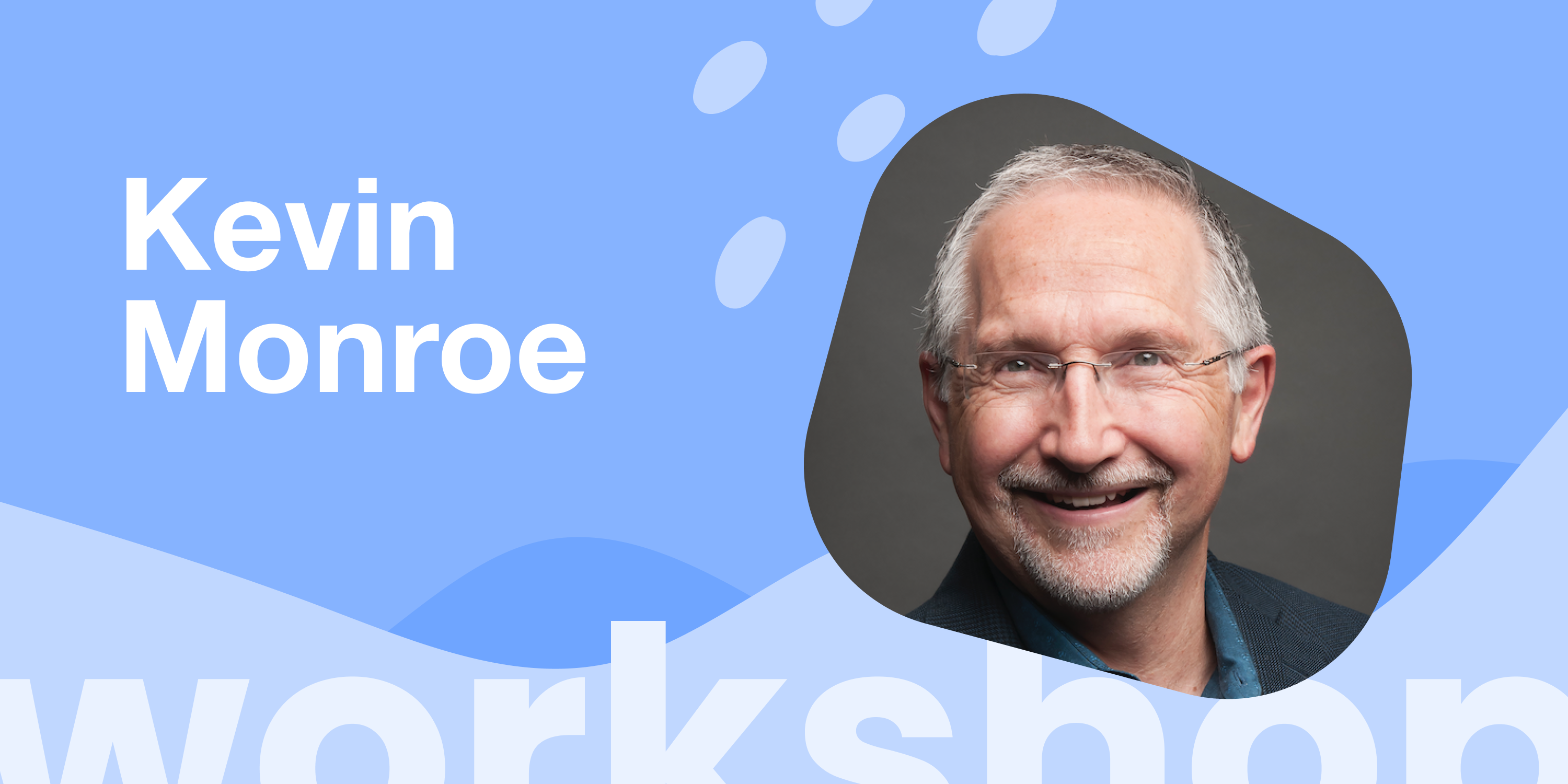
Today’s world is increasingly digitally connected, but human connection seems to be dwindling. This was the premise of the Covve workshop titled “Healthy Habits of Connection,” a gathering that sought to address and bridge this widening gap. Enter Kevin Monroe, the World’s Gratitude Coach at the Grateful App, who shared insights on how gratitude can form the cornerstone of authentic connections.
Kevin Monroe: Gratitude and Authentic Connection
Kevin’s journey into the world of connections was guided by his father. From a young age, he was exposed to environments that fostered human connections, laying the foundation for his current mission. This underlying philosophy is beautifully encapsulated in a phrase shared by Barbara Sable of the Kellogg Foundation: “Relationships are primary, everything else is derivative.” It’s a reminder that, at the heart of every endeavor, relationship is the core from which everything else springs.
A Bridge Between Connection and Gratitude
Kevin’s workshop activity was both innovative and simple, merging his twin worlds of gratitude and connection. His focus was on LinkedIn’s voice note feature, which limits recordings to 60 seconds. This brevity forces individuals to be concise and meaningful, making every second count.
From this concept, Kevin introduced TAG: Thankful, Appreciate, Grateful. This trifecta accentuates gratitude and authenticity. Sending a TAG is not just about expressing thanks; it’s about forming a genuine bond with the receiver. As Kevin emphasized, “There’s something about gratitude that when we share it with others, it builds authentic connection.”
In line with the workshop’s hands-on approach, Kevin went on to exemplify his concept by sending a TAG, illustrating the profound impact such a brief, heartfelt message can have. He encouraged participants to set aside time every week to send out their own TAGs, fostering connections through gratitude.
Feedback from participants was overwhelmingly positive. Many shared the profound emotional impact that TAG had on them. The words “fulfilling,” “heartwarming,” and “emotional” were frequently echoed, underscoring the power of this simple yet profound exercise.
Kevin Monroe’s contribution to the Covve workshop was a testament to the transformative power of gratitude in forging and deepening human connections. While technological advancements may offer numerous ways to connect, it is genuine gestures like TAG that resonate deeply and remind us of the essence of human connection. As we navigate an increasingly digital age, it’s worth noting that sometimes, the most profound connections come from simple, heartfelt gestures.
Watch the full workshop and put Kevin Monroe’s healthy habit of connection into practice.
The modern age has brought us unparalleled conveniences, lightning-fast information, and seemingly boundless connection points, yet many individuals find themselves feeling more isolated than ever. As U.S. Surgeon General Dr. Vivek Murthy stated, “Our epidemic of loneliness and isolation has been an underappreciated public health crisis that has harmed individual and societal health.”
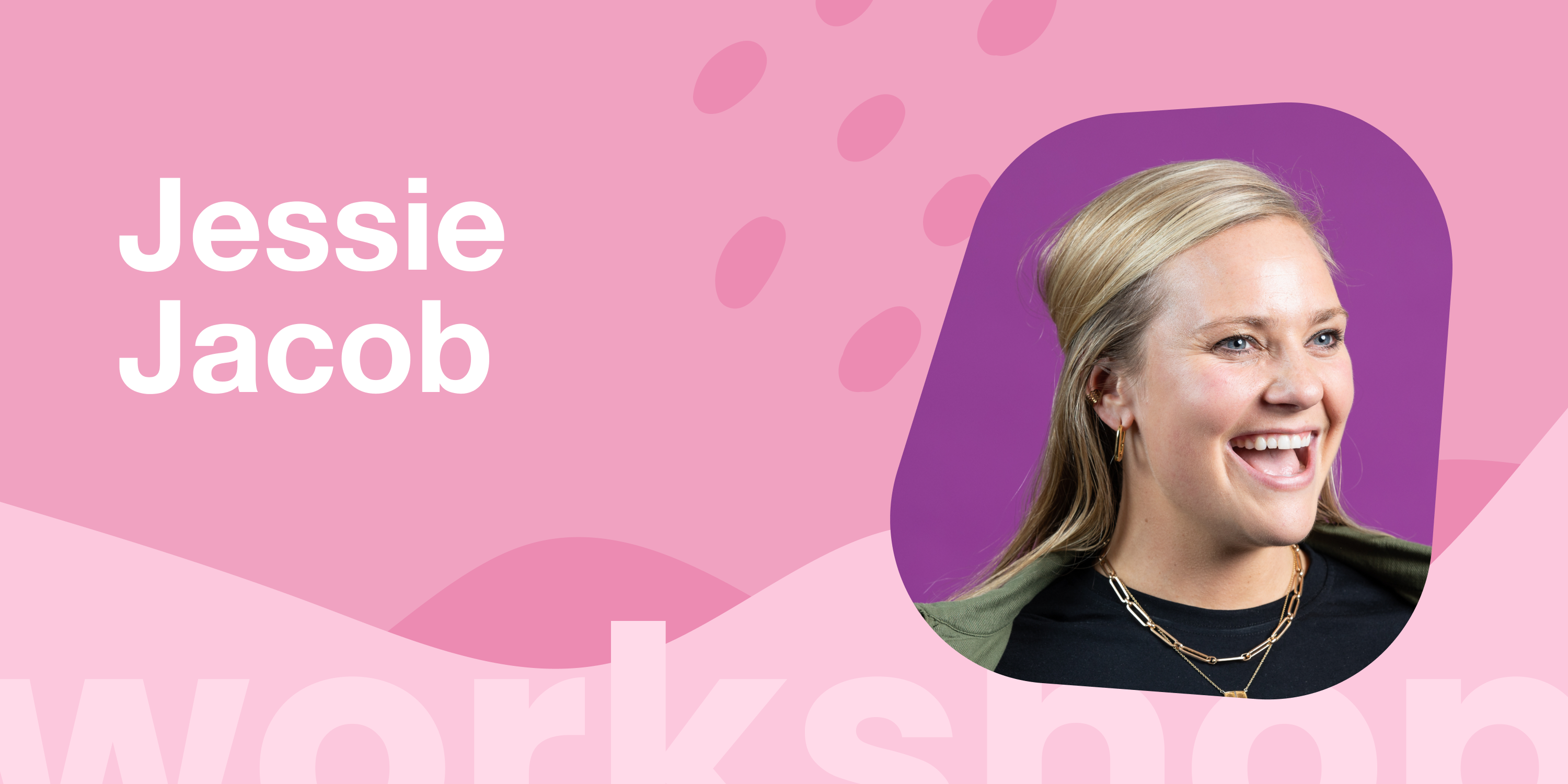
But amid this landscape, the power of human relationships shines brightly as a beacon of hope, offering healing and well-being. Among the luminaries working to harness this power is Jessie Jacob from Culture Amp, who recently shared her insights at a workshop set up by Covve titled, “Healthy Habits of Connection”.
Jessie Jacob and the Power of Connection
Jessie Jacob is not just a representative of Culture Amp; she leads their global ‘culture first’ community. At its heart, Culture Amp is an employee experience platform, creating software that facilitates enhanced communication between employers and their teams. Their overarching mission? To create a better world of work, a mission deeply resonated by Jessie. One of the vital components in this mission is fostering a genuine sense of belonging in workplaces.
The Learning Model and its Impact
One fascinating aspect of this workshop was its unique learning model, dubbed “I do, we do, you do.” In this model, panelists like Jessie first set an example by demonstrating a particular habit or tool. Then, another panelist gives it a try, attempting to emulate or adapt the habit to their style. Finally, attendees are encouraged to give it a shot. This approach ensures that the learning process is not passive; it’s active, engaging, and personal.
Diving into the Dance of Vulnerability
Jessie’s chosen activity, both powerful and simple, is termed “if you really knew me, you would know that.” This exercise is all about cultivating the courage to be vulnerable, a trait often misunderstood as a weakness but, in this context, is a powerful tool for forging connections, fostering belonging, and achieving acceptance. Jessie didn’t just describe the activity; she led by example, sharing intimate details about her background, her passions, the challenges she has overcome, and her accomplishments.
The impact of this vulnerability exercise on the participants was palpable. As they began to open up, a domino effect ensued. When one person showcased their vulnerabilities, it emboldened others to do the same. This process, as Jessie aptly termed, became a “dance of vulnerability.”
The Covve workshop, “Healthy Habits of Connection,” was more than just an event. It was a testament to the power of vulnerability, openness, and genuine connection. Jessie Jacob’s contribution, with her insightful activity, showcased that while technology has its place in fostering connections, the real depth of a connection comes when individuals open their hearts and share their stories.
As we look to build healthier habits of connection in an increasingly isolated world, the lesson is clear: true connection lies in the dance of vulnerability.
Access the complete workshop and integrate Jessie Jacob’s practices of vulnerability for deeper connections into your habits.
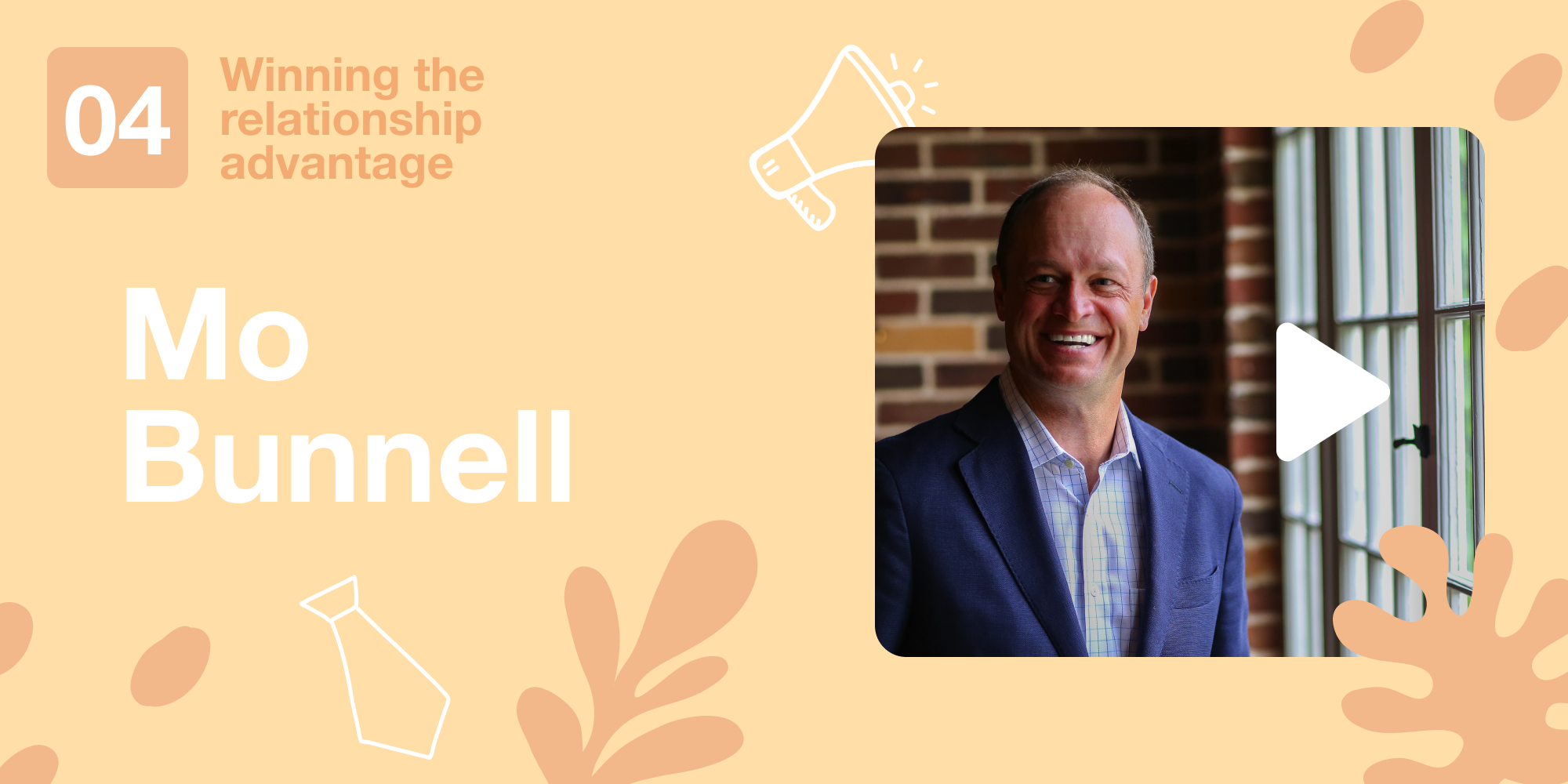
Cultivating and nurturing relationships has become paramount in today’s constantly evolving business landscape. At Covve, we’re dedicated to empowering you to grow your network in meaningful, sustainable ways. Our series, in collaboration with Mo Bunnell, unveils strategies to refine your relationship building skills for business growth and development. In this fourth edition, we delve into Mo’s methodology, emphasizing the role of systematic approaches in networking when looking to meet the right, new people.
The Power of Systems in Networking
Networking has evolved beyond mere face-to-face encounters. Mo Bunnell, an authority in the field, underscores the power of consistency in building robust relationships. He advocates for systems over sporadic connections or impulsive networking sprints. Bunnell’s “if this, then that” and calendar frameworks propose networking as a sequence of calculated actions.
Referrals: After every successful collaboration, make it routine to ask, “Who do you know that would benefit from knowing us?”. This simple question, when posed consistently, can unlock a cascade of introductions. Integrating this into a weekly calendar system can yield a consistent stream of potential contacts.
Forums: Forums or in-person events are hubs of interaction. Regular participation, when systematically scheduled in your calendar, ensures you remain active in circles that matter, fostering organic opportunities to meet like-minded professionals.
Webinars: Webinars bridge the gap between learning and networking. By attending or hosting webinars and marking them in your calendar, you not only gain knowledge but also expose yourself to a diverse audience, widening your networking scope.
Email Lists: A well-curated email list, like Mo’s, becomes a conduit for sustained engagement. It provides a platform to share insights, updates, and value, keeping your network informed and engaged.
Value Groups: These are specialized groups with a shared goal of addressing complex issues. Whether it’s a small brainstorming team or a large consortium, value groups offer a unique environment to connect with individuals driven by common objectives.
Annually Recurring Events: Such events become networking landmarks. Consistent attendance fosters a sense of community and camaraderie, deepening connections as you encounter familiar faces year after year.
Speaking Engagements: Taking the stage as a speaker not only positions you as an expert but also makes you a networking magnet. Attendees, intrigued by your insights, are more likely to approach and connect with you.
Podcasts: Launching or being a part of a niche podcast offers dual benefits. It helps establish authority in a domain and also provides opportunities to invite and connect with industry experts, thereby constantly expanding your network.
Echoing Mo’s reminder, “Sporadic doesn’t work, sprints are ok, systems are where it’s at.” At Covve, we champion this systematic approach. It ensures that in the networking arena, you’re not just encountering more individuals but genuinely connecting with the right people.
Discover the nuances of systematic networking with Mo Bunnell in the series’ fourth installment. Embark on this transformative networking journey with Covve and networking mavens guiding your path.
The podcast “Wired to Socialize,” featuring insights from Professor Robin Dunbar and Covve CEO, Yiannis Gavrielides, delves into the human necessity for connection and its intricate nature. In their third episode, the duo addresses the emerging hybrid work environment. While championed for flexibility and efficiency, it’s evident that such work setups can hinder the essential nurturing of workplace relationships.
Connecting in a Hybrid Workplace
In a world where global mobility has become the norm, professionals frequently find themselves in new environments and cultures. Yet, irrespective of age or experience, the challenge remains consistent – battling loneliness. This feeling was notably amplified for many who, during lockdowns, had to substitute office camaraderie with digital interfaces.
Although effective for connecting with family and friends, online meeting platforms falter in the workplace. The natural ebb and flow of conversations, especially in larger groups, is lost in the digital realm, underscoring the irreplaceable value of face-to-face communication.
A Snapshot of the Value of In-person Connection
Professor Dunbar brings forth a captivating perspective on the evolution of bonding within the primate world. Monkeys and apes, our evolutionary relatives, rely on the tactile act of social grooming – particularly a slow, methodical stroke – to establish connections. This intimate gesture, tailored for dyadic interactions, has its roots in a unique neural system.
While humans have found alternatives to physical touch for releasing endorphins – from laughing and singing to communal meals and storytelling – these activities all serve the same purpose. They instill feelings of warmth, trust, and coziness, solidifying bonds between individuals.
In hybrid work environments, however, colleagues may not see each other frequently enough to nurture lasting relationships. For newcomers in a company, digital platforms pose a unique challenge. The depth and richness of in-person interactions are unparalleled, as emphasized by the ‘raw feel’ theory. This concept suggests that genuine, lasting connections are best-fostered face-to-face, a sentiment many philosophers and psychologists echo.
Purposeful Casual Interactions Over Endless Online Meetings
In this sense, the hybrid work environment, though progressive, is not devoid of flaws. Its structure inherently favors those in higher-paying roles, granting them the flexibility that their counterparts in lower-paying positions might lack. This imbalance not only hampers opportunities for social interactions but can also cultivate feelings of resentment.
Beyond scheduled meetings and work agendas, the importance of casual interactions cannot be overstated. Be it a spontaneous conversation by the water cooler or a brief chat at a colleague’s desk, these moments often hold more weight than formal gatherings. Microsoft’s research offers a telling insight: while online meetings surged, email exchanges with casual acquaintances dwindled. The latter, though seemingly insignificant, play a crucial role in fostering a sense of community.
The third episode of “Wired to Socialize” on hybrid work environments unravels a crucial aspect of modern work culture. While the merits of flexibility and efficiency are undeniable, they come at the cost of genuine human connection. As the world navigates this balance, employers and organizations must remain attuned to the human need for interaction, crafting opportunities that prioritize genuine bonds over mere digital exchanges.
Personal Contact Relationship Management (CRM) tools have become indispensable assets for professionals across various fields. These platforms streamline contact management, nurture connections, and ultimately foster successful networking objectives.
In an era where meaningful relationships are vital for personal and professional growth, choosing the right personal CRM is paramount. What makes personal CRMs so impactful and versatile? From free personal CRMs, to open-source CRMs and bespoke digital solutions, there are a plethora of options to select from. Let’s explore what features professionals look for in a personal CRM, and how Covve helps professionals make the most of relationship building.
What is a Personal CRM?
Personal CRMs for networking are specialized tools designed to help individuals maintain, enhance, and leverage their professional and personal relationships. These platforms empower users to organize contacts, track interactions, and set reminders to foster more meaningful connections.
They are a suite of tools consolidated into a single platform for easier and more efficient contact management. Professionals, freelancers, contractors, CXOs, and even students are constantly encouraged to create new connections and give great emphasis to the quality of their networks to help facilitate the creation of opportunities to learn, grow, and make an impact.
Storing contact information aside, pCRMs remind people to reach out to their contacts and can provide prompts to help make reconnecting easier and less awkward.
The significance of personal CRMs for networking is underscored by some compelling statistics. For example, Forbes insights highlight that 80 percent of job openings are filled through networking, emphasizing the pivotal role connections play in career advancement. In this sense, ensuring access to the right set of tools is what may set someone apart, allowing them to maintain relationships and contact with their precious network.
CEO and Founder of Bunnell Idea Group, Mo Bunnell, in partnership with Covve, highlights that “a great deal might make your year, but a great relationship can make your entire career.” Managing a compelling network requires more than outdated, tediously set up spreadsheets. They require bespoke tools to alleviate people from the responsibility of remembering, and to create time for constructive, creative, and critical thinking.
What People Look for in the Best Personal CRM for Networking
Before diving deeper into why Covve App is the top choice for personal CRM in 2023, let’s first understand what individuals seek in a personal CRM. These are key factors that discerning users prioritize when selecting the right tool for managing their professional and personal connections:
Ease of Use: A user-friendly interface is paramount. People want a personal CRM that doesn’t require a steep learning curve. It should be intuitive and easy to navigate, ensuring that users can quickly harness its power without feeling overwhelmed.
Contact Organization: Effective contact management is the core function of a personal CRM. Users want a tool that allows them to sync and categorize contacts, add notes, set reminders, and easily search for specific individuals and groups within their network.
Automation: Time-saving features like automatic contact updates and data synchronization with other apps (e.g., email and calendar) are highly valued. Automation reduces manual data entry and ensures that contact information remains up-to-date.
Integration: Compatibility with other tools and platforms is crucial. People want their personal CRM to seamlessly integrate with their email, calendar, social media, and other communication tools to create a holistic networking solution.
Security: Data security is non-negotiable. Users want assurance that their contact information and interactions are safeguarded from unauthorized access or breaches.
Customization: Flexibility is key. Users want the ability to tailor their personal CRM to their specific needs, whether that means custom fields, tags, or personalized reminders.
Support and Training: Users expect access to customer support and training resources. Having a responsive support team and readily available tutorials can make the user experience smoother.
Affordability: Cost-effectiveness is always a consideration. Users want value for their money, whether that means a free basic version or a reasonably priced premium subscription with robust features.
Introducing Covve
Covve’s bespoke personal CRM stands out as a leading relationship building tool in 2023. What sets Covve apart is its user-friendly UI, making it easy to take notes, categorize, and tag contacts for greater organization.
Covve also boasts an AI-powered feature that offers the latest news in specific contacts’ industries to help break the ice so that users never lose touch with their precious contacts. The innovative pCRM app recently launched additional AI-powered features which help users draft emails and personalized messages, creating more time to build meaningful connections.
To make relationship building processes and methods clearer for users, Covve features its own educational arm with contributions from various, globally renowned industry experts and thought leaders. Leading evolutionary psychologist Professor Robin Dunbar, career strategist and coach Doug Lester, and business growth expert Mo Bunnell delve into their extensive knowledge and practices, sharing them through insightful masterclasses.
Covve – Trusted by Industry Leaders
Covve’s personal CRM has garnered acclaim from professionals across various industries. Doug Lester expresses his preference for Covve due to how the app nudges people to connect, as well as its easy-to-navigate note-taking feature. He states, “I recommend Covve to the people I coach because it’s the most effective personal CRM option that I’ve found after 10 years of looking, and it’s always getting better.”
Eric De Santis, turnaround and restructuring professional, echoes Doug’s sentiments. He commends Covve’s ability to provide actionable insights and give those slight yet impactful reminders. This, he attests, has significantly improved his networking efforts and, in turn, his career prospects, expressing that, “I use Covve, which is kind of my own personal way of maintaining my relationships, both professionally and personally, because it gives me an opportunity to help build those new relationships, as well as keep nurturing the current ones.”
Shannen Stewart, founder of Heels & Handshakes, emphasizes how Covve has been a game-changer in her journey. Stewart appreciates Covve’s ability to help her stay on top of her network through reminders, and the tool’s versatility in storing and organizing contacts. “I love utilizing the app because it’s a one-stop shop. If I meet a contact I can use my app, take a picture of their business card and add them to my contacts,” Shannen expresses.
In a world where networking is synonymous with success, finding the best personal CRM for you is a critical step. Covve App emerges among the best personal CRMs for networking in 2023, thanks to its AI integration, versatile features, and its endorsement by prominent professionals like Doug Lester, Chris De Falco, Professor Robin Dunbar and more.
If you’re looking to take your networking efforts to the next level, Covve is the tool that can help you achieve your goals with efficiency and effectiveness.
Managing relationships has increasingly become a top priority for businesses and individuals across sectors. Excel spreadsheets and minimal systems no longer serve the multi-faceted needs of people to stay engaged with their contacts.
That is where personal CRMs come in to make note-taking, scheduling, and contact organization easier and more efficient. However, some find personal CRMs somewhat restrictive, and look for alternatives that allow them to shape their software in a manner that, more specifically, suits their organization and their needs.
That is precisely what open-source CRMs do. Their codes are publicly available and can be configured by users and shared within organizations. For these reasons, they are considered to be more flexible, customizable, and somewhat more affordable. Alternatively, professionals use personal CRMs such as Covve that are specially designed tools that make relationship building more efficient and more effective. People also use free personal CRMs such as leveraging Excel or Microsoft Outlook to create their own yet minimally functional personal CRM.
Let’s take a look at some of the leading open-source CRMs and personal CRMs currently creating buzz according to the likes of Forbes, CRM.org, and Indeed, and Medevel, a leading technology blog led by medical doctors who also code.
Leading Open-source CRMs
SuiteCRM: Research indicates that the current reigning open-source CRM is SuiteCRM as it excels in assisting in sales, service, and marketing. As a robust open-source CRM, it includes sales automation, marketing campaigns, and extensive support management. It features an easy-to-navigate user interface and can easily be integrated with other tools. Most importantly, it enables teams to develop tailored workflows and customized, real-time dashboards.
One drawback observed from various sources is that SuiteCRM lacks support, leaving queries to be answered by community support.
Odoo CRM: Coming in a close second is Odoo CRM. It is more along the lines of a business management platform which hosts its own CRM module and boasts 10,000 applications to connect with right off the bat. As its CRM is modular, it enables teams to select their preferred features, taking customization options to new heights. It is a top choice among small to medium sized businesses. One of its greatest advantages is that the CRM is free.
Despite its extensive features and integrations, its complexity in setting up requires experienced developers. Akin to SuiteCRMs challenge, it lacks appropriate support, making it challenging to resolve specific issues and bugs.
OroCRM: Oro is primarily a B2B ecommerce platform since 2012, with OroCRM as one of its core products. This makes it the ideal CRM for ecommerce platforms and retail businesses. Its core highlight is its reporting engine, making it easy to track everything related to sales and customer habits. It offers various integrations with a multitude of third-party tools, including eBay, Amazon, Mailchimp, and more. Its performance-centric dashboard allows teams to better monitor what works, and what doesn’t.
However, just as the previously mentioned open-source CRMs, it lacks the much needed support from Oro, leaving the community to do the heavy lifting when problems arise. Additionally, OroCRM does not have a mobile app, making accessing the platform more difficult and limited.
Open-source CRMs are incredible tools for businesses of all sizes. They allow teams to optimize and personalize their dashboards, the way data is stored, and how it is displayed. Their extensive flexibility and cost-effectiveness make them an attractive tool for businesses to better keep tabs on their performance and customers, just as they choose to.
However, the lack of support, necessary software development knowledge, and, as seen in Synopsys’ 2023 Open Source Security and Risk Analysis report, open-source code bases are more prone to cyberattacks. Combining this risk factor with a lack of support from the various open-source tools could make any organization second-guess these tools. Despite concerns regarding open-source codes, organizations ensure to encrypt and protect code bases from cyberthreats using advanced systems.
Open-source Personal CRMs
Aside from CRMs for businesses, there are open-source personal CRMs for individuals to use, too. According to Medevel, there are 11 open-source personal CRMs to look out for that may fit various personal networking needs.
Monica: Starting with Monica, the leading open-source personal CRM, users gain access to their own contact, events, and relations tool. They can store, organize, and enable note-taking features for contacts and interactions. Monica places great emphasis on taking on the responsibility for remembering important details about contacts. Written with PHP, beginners and novices in programming may find it easier to set up their ideal personal CRM compared to other, more complicated languages.
Personal Management System: The Personal Management System app is more of a one-stop-shop for an individual’s needs. From monitoring and executing payments and bills, to managing passwords, contacts, multimedia, tasks, and even shopping lists. It features a user-friendly dashboard and is compatible with many browsers including Google Chrome and Firefox. It does come without a warranty, however, raising alarms regarding their liability.
Keep in Touch: A minimal open-source personal CRM designed to perform basic contact and interaction details, simplifying contact management processes using the preferred Python framework – Django, and supports Trello cards integration as well. The only trouble is that the developer who built Keep in Touch has not updated it since 2021 and users rely on the community to resolve issues they face.
Try Bespoke Personal CRMs
While open-source CRMs offer personalization and are cost-effective, they are often lacking in powerful features found in bespoke personal CRMs like Covve. Here at Covve, our personal CRM app offers all of the contact storing, organization and management features, as well as advanced and user-friendly note-taking and tagging tools. Users can personalize the way their contacts are organized based on their location, occupation, hobbies, interests, and more, granting users greater personalization options.
Covve also ensures the utmost protection of users’ data, offers tracking tools to analyze how well users’ relationship building habits and practices are performing for them. Our personal CRM app also includes reminders that gently nudge users to reach out to contacts to maintain lasting relationships.
In case a user may feel uncomfortable with follow-ups and reconnecting, Covve also boasts an AI assistant that helps draft emails and messages, and even suggests prompts using the latest news to reach out based on a particular contacts’ interests and occupation.
Open-source personal CRMs are great for individuals with minimal networking needs and for those who prefer personalization over extensive features and tools. However, the more advanced your network becomes, and the faster it expands, the more important it is to have a versatile and reliable tool to serve those needs.
Whether a budding entrepreneur, a seasoned professional, or looking to make a career change, having a well-organized system to manage contacts can be a game-changer. Finding a system that is specific to fulfilling certain needs is imperative to being able to effectively cultivate relationships. This can work with free personal CRMs, or specially designed and bespoke software geared towards building relationships, such as Covve’s personal CRM.
Nurturing a network requires the use of the right tools. Revered career coach, Doug Lester, expresses that having the right tool can make a world of difference when it comes to staying top of mind and building a network. These tools are known as personal contact relationship management (personal CRM) systems that serve the specific purpose of helping users nurture both personal and professional relationships.
There are also generic networking tools and systems that are minimal in versatility, but are easy to manage and can be built by individuals themselves. Using Google Sheets, for example, may be a cost-effective and simple tool for professionals who do not require extensive relationship building needs.
Generic tools can be fitted to function as personal CRMs which can be an effective and relatively personalized option, however they lack the specific, tailored functions found in bespoke personal CRMs.
Why are Personal CRMs Important?
Personal CRMs, unlike their business and sales-oriented counterparts, are tailored to individuals seeking to nurture and expand their networks. They are invaluable for several reasons.
People can be forgetful, and can not remember every detail about every person they meet. Through note taking features and automated reminders, pCRMs help in recalling important information about contacts, such as birthdays, preferences, and past interactions.
Personal CRMs streamline networking by categorizing contacts, tracking communications, and prompting follow-ups. This helps in making the most of relationships by helping professionals be more consistent, intentional, and present.
Whether your goals are to grow your business, find a mentor, or simply maintain friendships, personal CRMs help you stay focused and organized in pursuit of those objectives. By automating the ‘admin’ side of things, pCRMs make room for people to give more attention to the important relationship building aspects.
Who May Need a Personal CRM?
Personal CRMs are versatile tools suitable for people across industries, at various stages of their lives and careers:
Entrepreneurs: Building and nurturing relationships with potential clients, investors, and partners is essential for business growth. For example, Shannen Stewart, founder of Heels & Handshakes, shares how Covve’s personal CRM helped her make the most of her network
Professionals: Salespeople, marketers, and freelancers benefit from tracking interactions to be able to keep relationships fresh and meaningful, adding value to those with whom they work.
Job Seekers: Keeping tabs on networking connections can be invaluable when searching for job opportunities. For job seekers, Doug Lester states how easy and efficient using personal CRMs are when looking for the next career step. He shares that he has been “using Covve for a few years now, and it’s been the place where I capture the bits of personal information that help me make networking a friendlier, more human activity.”
Socialites: Those who have active social lives can use personal CRMs to remember birthdays, hobbies, and other details that make interactions more meaningful, and help in keeping them top of mind.
Can Google Sheets Act as a Personal CRM?
A simple yet effective way to build your own personal CRM can be achieved through Google Sheets, the ubiquitous spreadsheet software, because it is free and widely accessible. However, its effectiveness in this role depends on your specific needs and expectations.
Google Sheets can certainly help organize your contacts and store basic information. You can create columns for names, contact details, and additional notes. It’s a simple solution for those who have limited contacts or want a minimalistic approach. Users will miss out on core personal CRM functions such as reminders, optimized scheduling, and AI-powered prompts for news that are relevant to individual contacts.
Softr, one of the largest ecosystems for building no-code applications, diligently breaks down a step-by-step guide to developing a personal CRM tool through Google Sheets that can be tailored to specific needs. The article is a 15 minute read, reflecting the tedious process required for building personal CRMs through software such as Google Sheets. Using bespoke personal CRMs, however, users will find these tools ready to use, allowing for more time on personalization and creating efficiencies in networking habits.
Investing in a Personal CRM
Investing in a dedicated personal CRM like Covve offers several advantages. They are a pivotal tool to use as they simplify processes and help users stay on top of their schedules with precious contacts.
Personal CRMs like Covve automatically update contact details and provide reminders for follow-ups, saving you time and effort. They also offer features like relationship strength analysis, contact enrichment, and custom tags, making it more sophisticated than a basic spreadsheet. Mobile apps ensure you have your network at your fingertips, allowing for immediate follow-ups and better relationship management.
With Google Sheets, your data is only as secure as your Google account. Personal CRMs often have more robust security measures in place that align with data and privacy laws within the regions they operate in.
Google Sheets can serve as a basic personal CRM for those with limited needs and a preference for simplicity. However, investing in a dedicated personal CRM like Covve can significantly enhance your networking efforts, offering automation, personalization, reminders, and more.
Whether you’re a professional, entrepreneur, or a socialite, a personal CRM can be a powerful tool to help you manage and leverage your connections effectively. So, while Google Sheets is free, remember that when it comes to networking, sometimes it’s worth committing for greater competence and efficiency.
For the best relationship building practices and tips, keep an eye on Covve’s insights where industry leaders share their wisdom and learnings.
The idea of “blowing up someone’s phone” causing them to be distracted from what they are doing and turning one’s phone into an alarming, seemingly never ending vibrating tablet should strictly happen in case of emergency. We’ve likely all been there, on both sides of those incessant messages and calls, and it is not fun. This is where Jenny Sauer-Klein, founder and CEO of Scaling Intimacy School of Experience Design, shared the value of micro-interactions accumulating over time.
Jenny is an expert in creating dynamic learning experiences that foster connection and relationships. Through her extensive experience training coaches, consultants, educators, and internal organizational leaders, she has gained valuable insights into building meaningful connections in physical and virtual spaces.
Building up the value of micro interactions and communication can happen very instinctually in person at the workplace. What about in a virtual work environment? That all comes down to intent, and actively creating those moments of small interactions. Jenny emphasizes the power of micro-moments of connection, accumulated over time. These small moments, when consistently nurtured, have the potential to create profound and meaningful bonds.
During the workshop, she highlights that “in person connection happens by serendipity but, online, it doesn’t happen unless we do it on purpose.” She emphasizes the importance of incorporating a few minutes of intentional connection in virtual spaces to enhance the sense of connectedness and prepare participants to engage with the content.
Her approach to connection involves connecting early and often, embracing micro-moments, gradually increasing vulnerability, and choosing between a narrow and deep approach or a wide and shallow one depending on the context. By implementing these principles in our remote work practices, we can cultivate genuine relationships, combat loneliness, and create a sense of belonging in our hyperconnected world.
Interact and engage with industry experts such as Jenny Sauer-Klein in Covve’s new workshop on Healthy Habits of Connection on October 17th and meet like-minded people with whom you can put lessons into practice.
Charles Vogl, renowned for authoring The Art of Community and Building Brand Communities, and his work at Google, believes that opening up requires being in a space where there are few people to interact with, allowing you to engage with those around you better.
“They have this default assumption that if we want to get a group together we should get everybody into the same place, be that a virtual room or a table. That doesn’t work because it means we have to manage too many relationships at any given moment, that precludes the intimate experience, the vulnerable conversations, that actually develop relationships.”
He shares his concept of the campfire experience, which encapsulates intimate experiences with people where everyone is contributing to a conversation and everyone is heard. Being in a small group also encourages colleagues to discuss matters irrelevant to their work, and that are more personal to them. These elements are what enable meaningful relationships to form in an era marked by widespread loneliness.
Embracing the principles of campfire experiences and small group interactions allows for the development of emotional connections, trust, and empathy, which are crucial in remote work environments. Create a safe space for workers to share how they feel about things outside of the office, and keep those spaces small.
Charles made it clear when he stated “Stop pretending that collaborative conversations virtually in rooms bigger than five people, is helpful.” He expressed that keeping groups to five people ensures that everyone can effectively participate in conversation and interact with one another, creating that intimate campfire experience.
Interact and engage with thought leaders and industry experts like Charles Vogl in Covve’s upcoming workshop, Healthy Habits of Connection, on October 17th, and take your relationship building practices to new heights.